April 27, 2025read more +
An amazing customer-oriented hiking organization
When arriving in Kathmandu, a friend and I were roaming
Escape25704119882,
Netherlands
The Manaslu Circuit Trek is a 12-day high-altitude trek in Nepal that costs between $700 and $1,500+ per person inclusive of all permit and licensed guide fees; the price depends on group size. The trek begins from Soti Khola, reaches a maximum elevation of 5,106 m at Larkya La Pass, and ends at Dharapani before driving out via Besisahar to Kathmandu.
Solo travelers can now obtain permits as solo bookings without needing a second trekking partner, provided they are accompanied by a mandatory government-licensed guide. Every trekker must hold a Restricted Area Permit (RAP), MCAP, and ACAP and pay the local Chumnubri Rural Municipality fee.
To ensure the best experience on the Manaslu Circuit, we’ve updated our latest itinerary to reflect the most recent trail conditions and regulatory changes.
Permit Rules Updated: Manaslu region permits are issued only through registered trekking agencies, and a licensed guide is mandatory for all trekkers.
Guides Are Mandatory: You must hire a licensed guide through a government-registered agency to trek in the region.
Improved Checkpoints: Trekking checkpoints such as Jagat and Namrung now use improved digital systems in many areas, making permit verification faster.
TIMS: A TIMS card is not needed for the Manaslu Circuit.
Better Trail Infrastructure: Several sections between Jagat and Deng have improved stone steps and safer walking paths.
Local Development Fee: Some rural municipalities may charge a small local development fee (around NPR 1,000), which supports village infrastructure and conservation.
Travel Tip: Many trekkers prefer driving up to Machha Khola to avoid road sections and start the trek from a more scenic walking point.
Verified by: Krishna B. Pariyar (Lead Guide) on Jun 14, 2026
The 12-Day Manaslu Circuit Trek takes you through remote Nubri Valley gorges, alpine forests, and ancient Tibetan-influenced settlements beneath the 8,163 m Mount Manaslu and Ganesh Himal (7,422 m / 24,350 ft), following the route through steep Budi Gandaki Valley, secluded villages, pristine rhododendron, pine forest, and high-altitude settlements such as Sama Gaun.
Immerse yourself in authentic Tibetan Buddhist culture as you pass centuries-old monasteries like Pungyen, carved mani stones, and fluttering prayer flags in villages such as Lho and Samdo.Conquer the grueling 5,106-meter Larkya La Pass, the highest point of the trek, which rewards your stamina with jaw-dropping panoramic views of Himlung Himal, Cheo Himal, Annapurna II, and Ganesh Himal.
In addition to these cultural highlights, you can encounter centuries-old monasteries, cultural landmarks like mani walls and chortens, multiethnic communities (Gurung, Sherpa, Tibetan, Brahmin, Chhetri, and Dalit), and scenic spots such as Birendra Lake and the Manaslu Base Camp area.
The trek remains peaceful and less crowded, taking you through the restricted Manaslu Conservation Area with traditional, family-run mountain lodges offering hearty dal bhat and warm wood stoves, paired with essential acclimatization stops in Sama Gaun to prevent altitude sickness.
It is ideal for small groups seeking a demanding and rewarding experience. This specific itinerary is designed for trekkers who wish to complete a less commercialized trek compared to the classic Annapurna Circuit.
While it offers the same high-pass thrill, the Manaslu region remains significantly quieter. If you are still weighing your options, explore our expert comparison of Manaslu vs. Everest Base Camp to decide which legendary peak is right for your next adventure
The 12-day Manaslu Circuit Trek takes you through remote Himalayan landscapes, traditional Tibetan-influenced villages, and some of Nepal’s most breathtaking high-altitude terrain. You begin your journey in Soti Khola and finish the circuit in Besisahar.
Note: This 12-day itinerary is designed for trekkers who want to complete the Manaslu Circuit in a shorter timeframe while still experiencing the region's major highlights, including the spectacular Larkya La Pass. If you have extra time and want a more complete Manaslu experience, consider the Manaslu Base Camp Trekking With Larkya la Pass itinerary, which includes an exciting side trip to Manaslu Base Camp and offers more time for acclimatization, exploration, and stunning mountain views. This extended route provides a deeper understanding of the culture, landscapes, and remote beauty of the Manaslu region.
Manaslu Circuit Trek expenses are determined by mandatory government permit fees, private vs. public transportation choices, and your choice of group size. All-inclusive packages from Ammonite Adventure explicitly cover government-certified local guides, restricted area permits, local transport, and lodge bookings. Because Manaslu is a restricted high-altitude zone where independent trekking is illegal, partnering with a registered local agency ensures strict compliance with safety regulations and seamless logistics.
Cost breakdown:
|
Expense Category |
Estimated Cost (USD) |
Notes / Details |
| Permits |
$160 to $200+ |
Manaslu RAP ($75–$100+ depending on season), MCAP ($25), ACAP ($25) & Chumnubri Rural Municipality Fee (approx. $7–$8) |
|
Guide & Porter |
$25–$30 per day |
Daily wages covering guide/porter insurance, meals, and accommodation (included in package pricing) |
| Food |
$5–$12 per meal |
Typical teahouse meals: dal bhat, noodles, soup |
|
Accommodation |
$15–$20 per night |
Basic teahouse rooms along the trail |
| Transportation |
$20–$30 (Public bus)$250–$400 (Private jeep) |
Transport from Kathmandu to Machha Khola / returning via Besisahar |
|
Optional Expenses |
Varies |
Tips, personal gear, hot showers, snacks, and internet |
The Restricted Area Permit (RAP) cost depends on the month you enter the restricted zone (Jagat):
On your 12-day Manaslu Circuit trek, our seasoned local guides and indigenous Sherpa crew ensure a safe, well-paced journey through remote mountain passes. All of our guides are licensed and trained to perform their duties.
We provide professional porter support on a 2:1 ratio (one porter shared between two trekkers, carrying a strict limit of 18 kg total) to ensure ethical working conditions. If you should require more assistance, we can provide one porter per person if requested in advance.
Our team comprises indigenous mountain locals with unmatched high-altitude resilience. We are committed to ethical trekking practices providing fair wages, comprehensive insurance, proper gear, and medical coverage for every crew member. We believe in paying fair wages to all of our crew, and we also arrange to have insurance, food, clothing, lodging, and medical assistance if needed. We want to assist in our staff's health and well-being so that they can provide the best service to you.
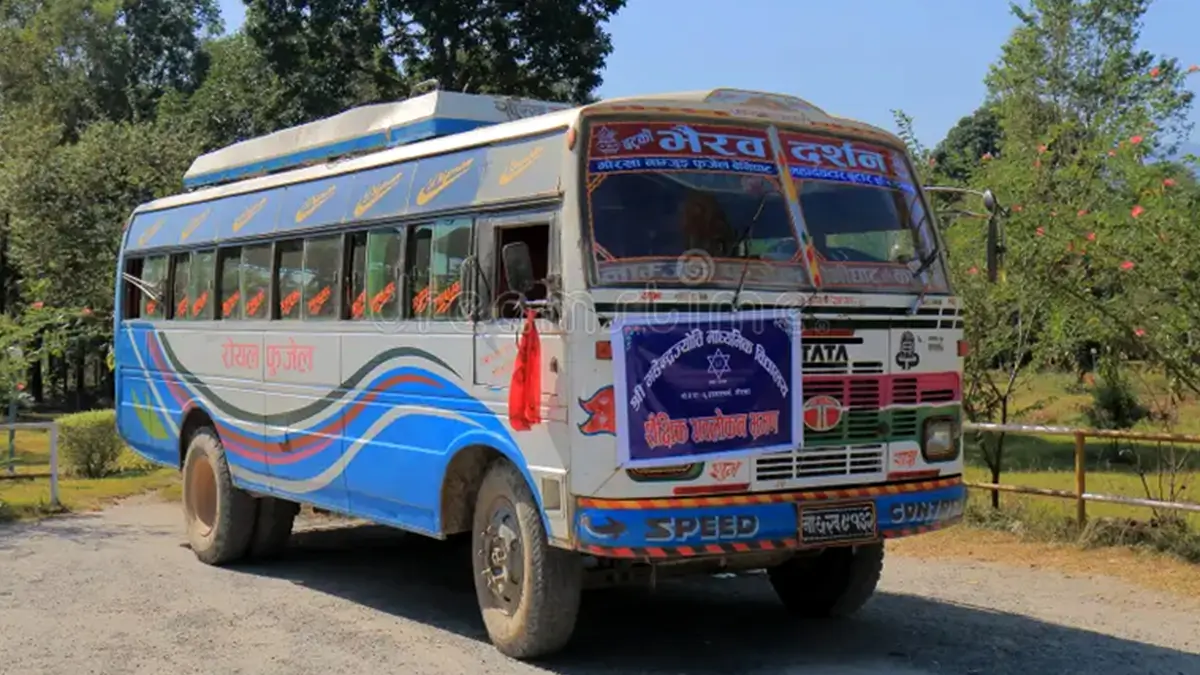
Our adventure begins with a 7:00 AM breakfast in Kathmandu. We’ll depart via the scenic Prithvi Highway, passing through Naubise and Malekhu. After a local lunch at Jyamire, we continue through the winding roads of Dhading Besi and Arughat.
While older itineraries stop early, we utilize the newly extended road access to bypass dusty sections, arriving at the vibrant village of Machha Khola around 4:00 PM. This lively Gurung settlement on the banks of the Budhi Gandaki River offers stunning views of terraced fields and lush green hills.
Krishna’s Pro-Tip: Why we skip Soti Khola
"I’ve monitored this trail for years, and I’ve seen the changes firsthand. Many agencies still have you walk from Soti Khola, but that trail is now mostly a dusty road shared with jeeps. My rule for our guests: We don't waste your first day walking in dust. We drive straight to Machha Khola so you can start your trek tomorrow on the actual, pristine mountain trail. It’s a much better experience for your lungs and your boots!"
— Krishna Pariyar, Lead Guide at Ammonite Adventure
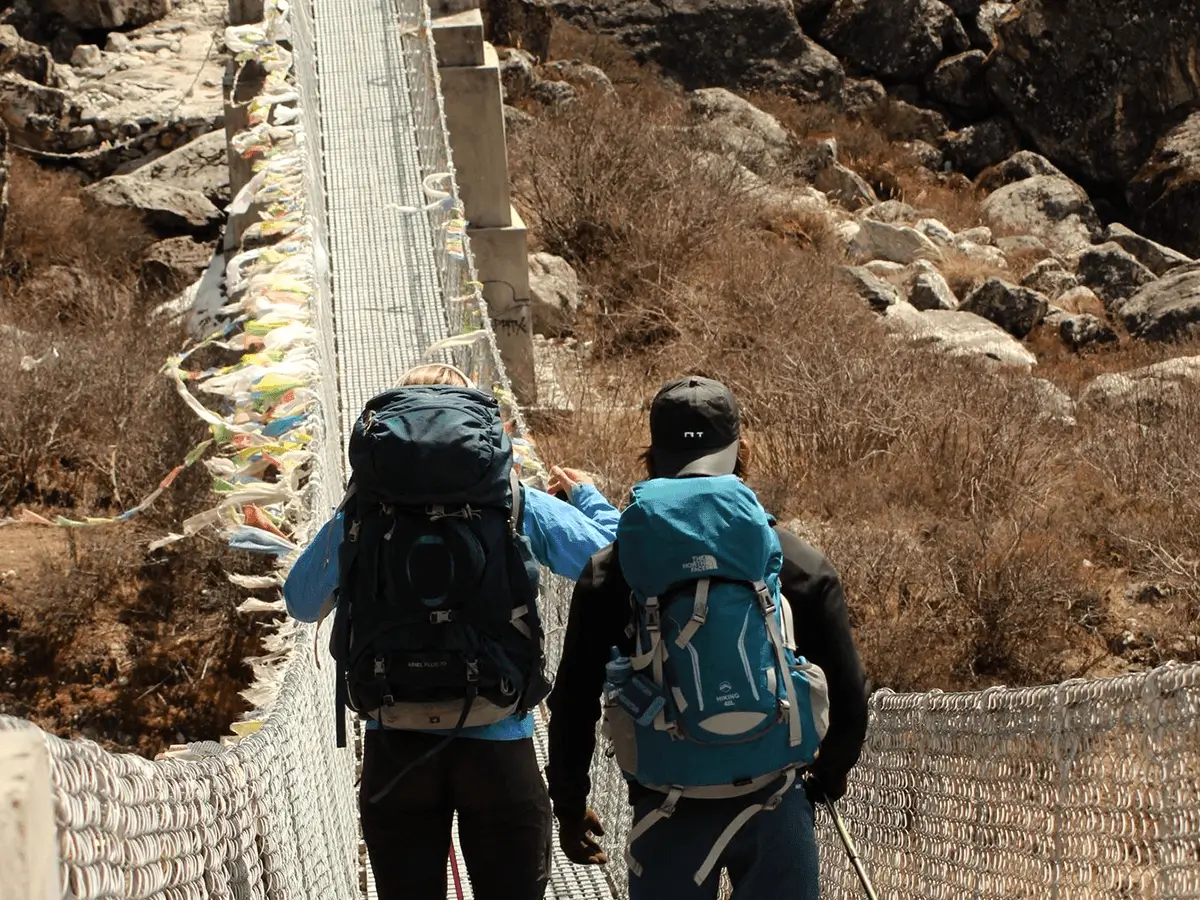
Your first full day of trekking begins after a 7:00 AM breakfast. Today’s journey is a beautiful introduction to the "Himalayan flat" a mix of undulating paths that rise and fall alongside the river. You’ll hike through Kholabesi (45 mins) and reach Tatopani (30 mins), famous for its natural hot springs.
After a lunch break at Thulo Dhunga, we tackle a steady 2.5-hour climb. By 3:00 PM, you will arrive in Jagat, the gateway to the Manaslu Conservation Area Project (MCAP). As a primary checkpoint, Jagat marks the transition from subtropical lowlands to the rugged, stone-paved beauty of the upper mountain regions.
Krishna’s Pro-Tip: The "Old vs. New" Trail Choice
"On this stretch, there is the common main trail and an older, quieter route. Most big groups just follow the crowd, but I check the trail conditions every morning.
— Krishna Pariyar, Lead Guide at Ammonite Adventure
At a Glance: Jagat Village & Teahouses
To help you prepare, here is what to expect at our stop tonight:
| Feature |
Availability / Details |
| Vibe |
Traditional Gurung & Tibetan architecture; 40+ houses |
| Teahouses |
10–12 high-quality lodges available |
| Connectivity |
Wi-Fi: Yes / Mobile Network: Yes |
| Power |
Charging available in the main hall |
| Showers |
Hot showers available |
| Bathrooms | Shared facilities (Standard for this region) |
After breakfast, we leave Jagat and follow the winding Budhi Gandaki River. Today’s trail is a classic Himalayan trek: undulating forested paths, rocky riverbanks, and several high suspension bridges.
We first reach Salleri, offering expansive river views, before ascending to Philim, a large Gurung village with over 100 houses, a local school, and a beautiful Gompa. From Philim, we trek through lush forests to Chisapani and continue a steady uphill climb for the final four hours. Our destination is Deng, a quiet settlement where the air starts to feel cooler and the Tibetan cultural influence becomes unmistakable.
Krishna’s Pro-Tip: The "Mule Bell" Protocol
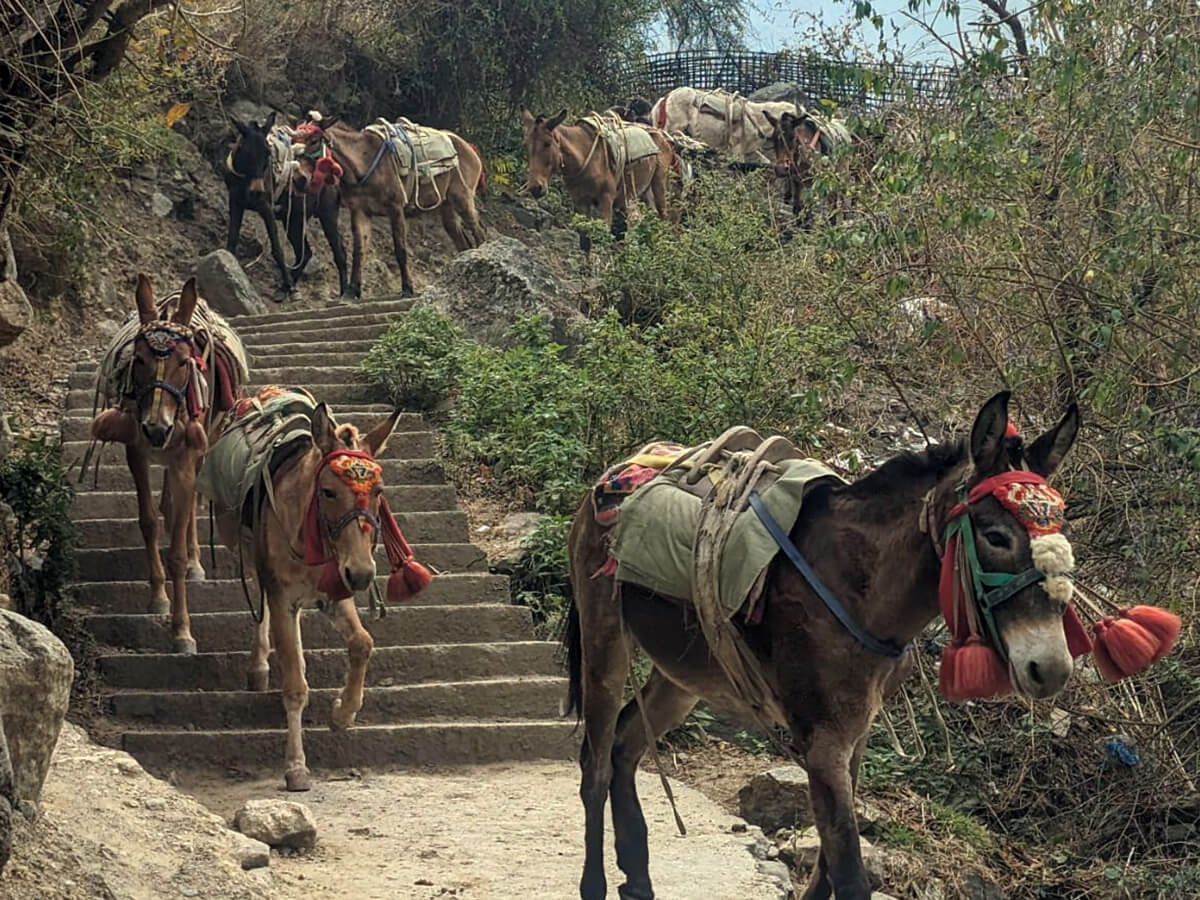
"Today, you’ll hear bells ringing constantly these are the mule and horse caravans that supply the upper villages.
— Krishna Pariyar, Lead Guide at Ammonite Adventure
At a Glance: Deng Village & Teahouses
Deng is a peaceful stopover surrounded by deep forests and massive peaks. Facilities here are traditional and cozy.
| Feature |
Availability / Details |
| Culture |
Tibetan ancestry; strong Buddhist traditions |
| Teahouses |
4–5 basic but well-maintained teahouses |
|
Wi-Fi |
Available (Usually in the common dining area) |
|
Mobile Network |
Available (Reception can be spotty near the river) |
| Power |
Charging available in the main hall |
| Showers |
Hot showers available |
| Bathrooms | Shared facilities / Outside access |
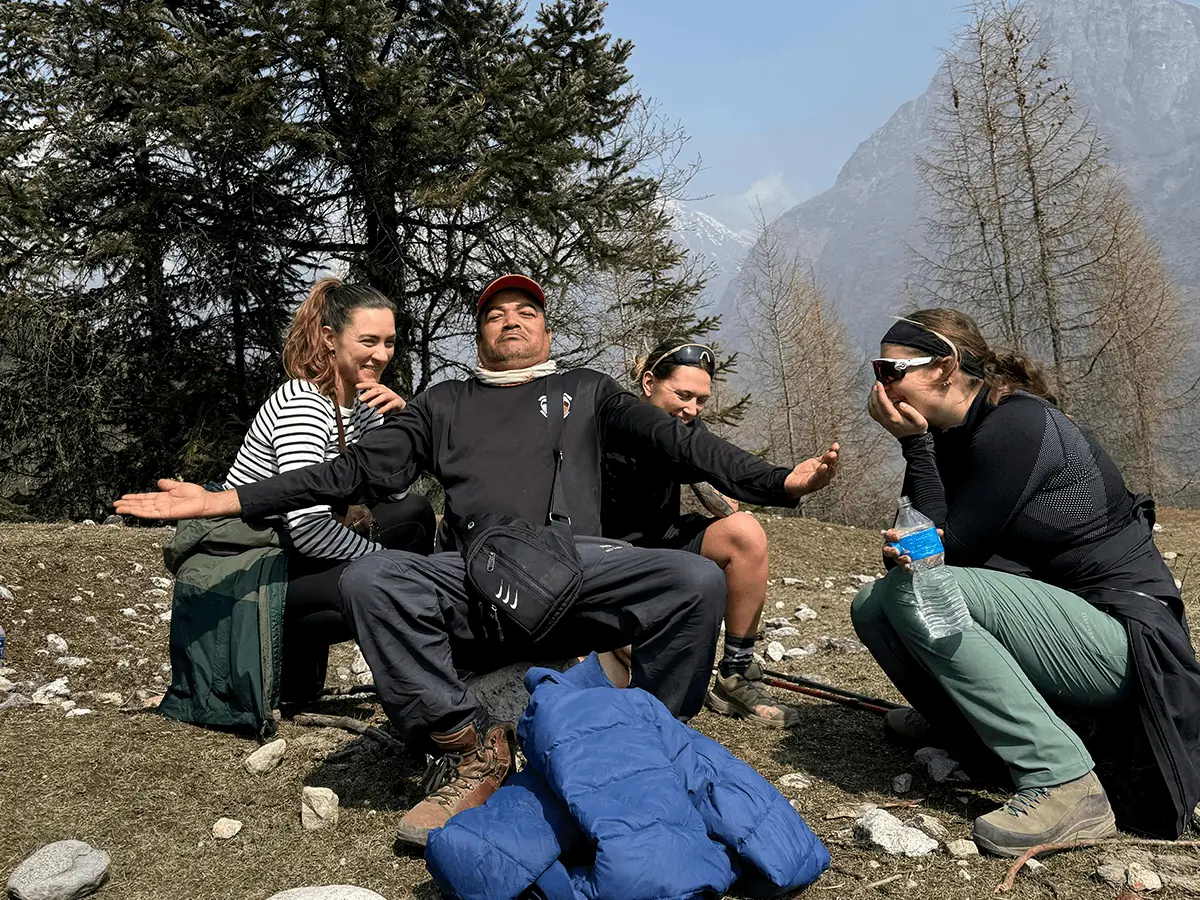
We begin the day with an immediate, heart-pumping climb to Bhee Phedi. This section offers some of the most dramatic views of the Budhi Gandaki river carving through the mountains. You’ll pass ancient Gumbas and Mani walls that have stood for centuries, even as we navigate sections of the trail reshaped by natural history.
Lunch is usually served in Ghap, a serene spot where the local Langur monkeys often entertain trekkers from the treetops. The final stretch to Namrung is a mix of easy riverside walking and a final, rewarding ascent through rhododendron and fir forests. Namrung itself is a cultural gem; while the high peaks are hidden by green ridges, the village is a vibrant center for bird watching and Tibetan Buddhist tradition.
Krishna’s Pro-Tip: The "Altitude Gateway"
"I call Namrung the 'Gateway to Nubri.' From here on, the culture is purely Tibetan. You will notice the people wearing traditional Chubas and the dialect changing.
— Krishna Pariyar, Lead Guide at Ammonite Adventure
About Namrung Village and Teahouses
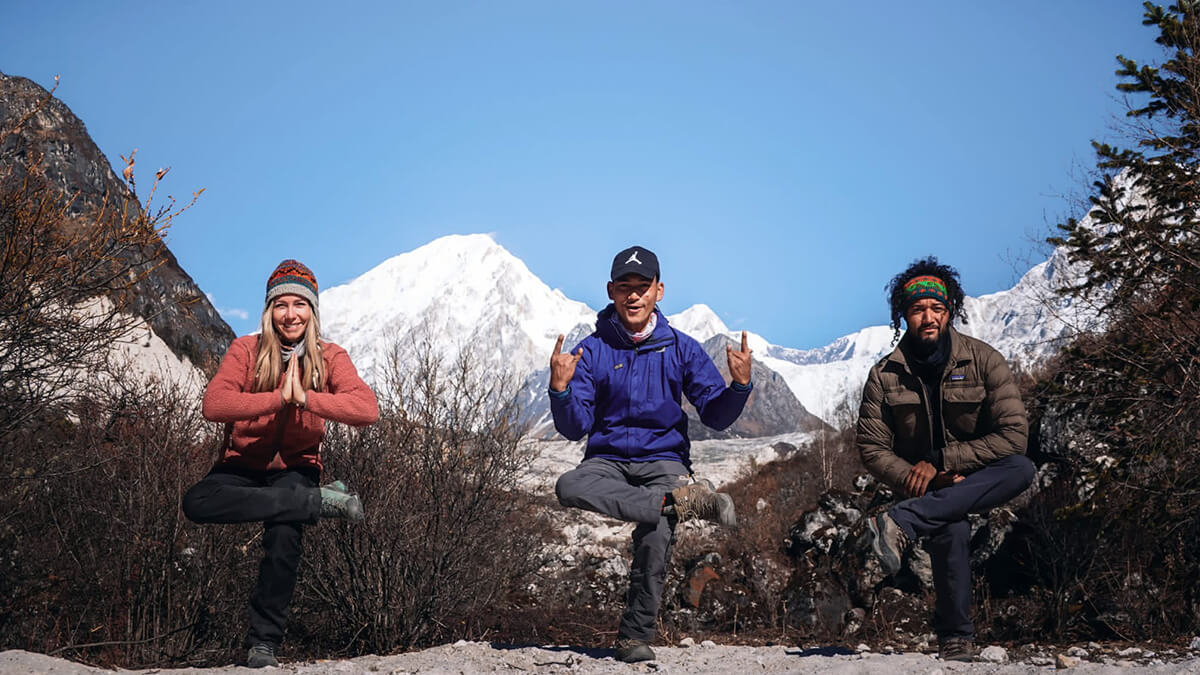
Today we journey deeper into the Nubri region, passing through the picturesque villages of Lihi and Sho. You’ll walk past terraced barley and potato fields and under ancient Kani (gate arches) decorated with elaborate Buddhist paintings.
We stop for lunch in Shyala, arguably one of the most beautiful lunch spots in the world, surrounded by a 360-degree amphitheater of snow-capped peaks. The final stretch is a steady rocky climb that brings us into Lho. This impressively large village is famous for its stone architecture and the Ribung Gompa, which sits like a crown above the settlement, offering an unobstructed view of Manaslu (8,163m) and Manaslu North (7,157m).
Krishna’s Pro-Tip: The Sunset at Ribung Gompa
"Most people are tired when they reach Lho and want to stay in the teahouse. But I always tell my guests: ‘Drop your bags, we are going to the Monastery!’ >
— Krishna Pariyar, Lead Guide at Ammonite Adventure
About Lho Village and Teahouses
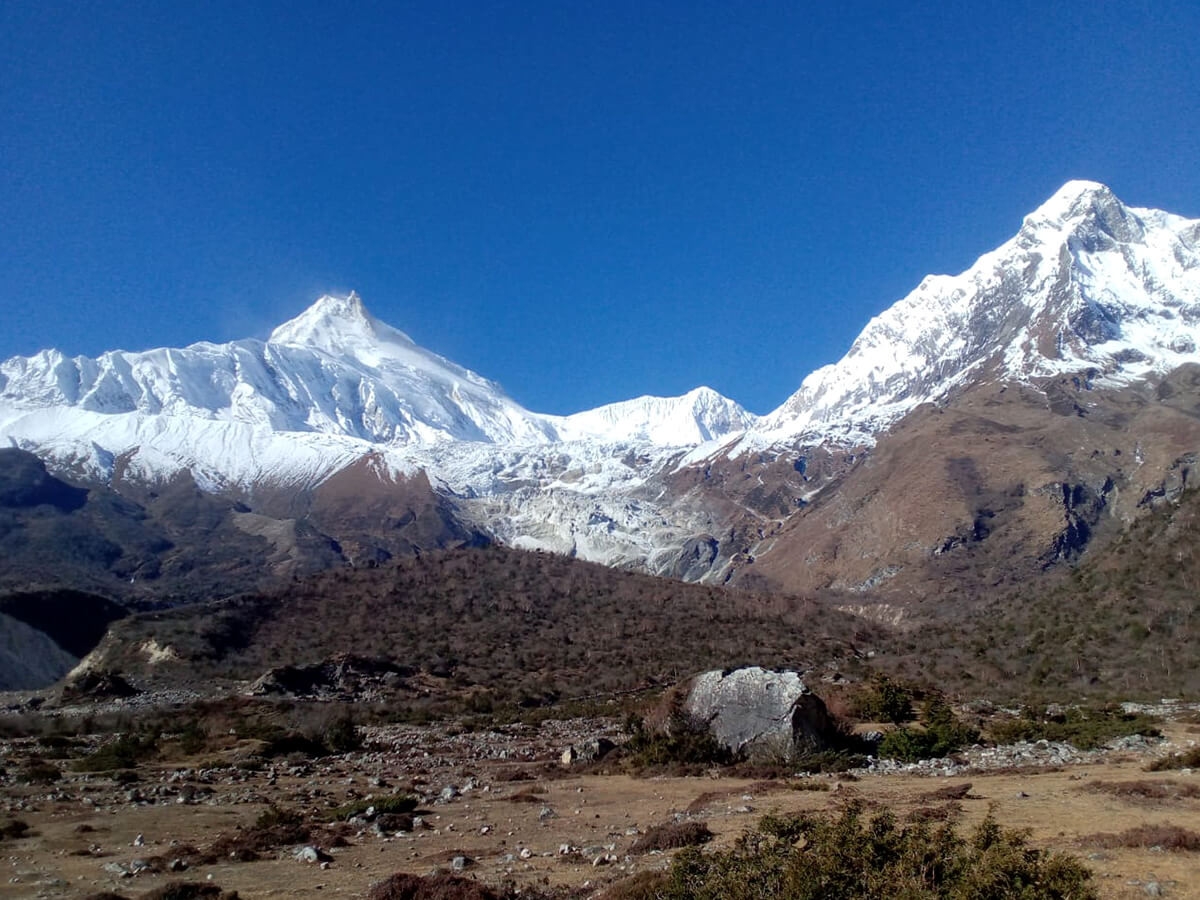
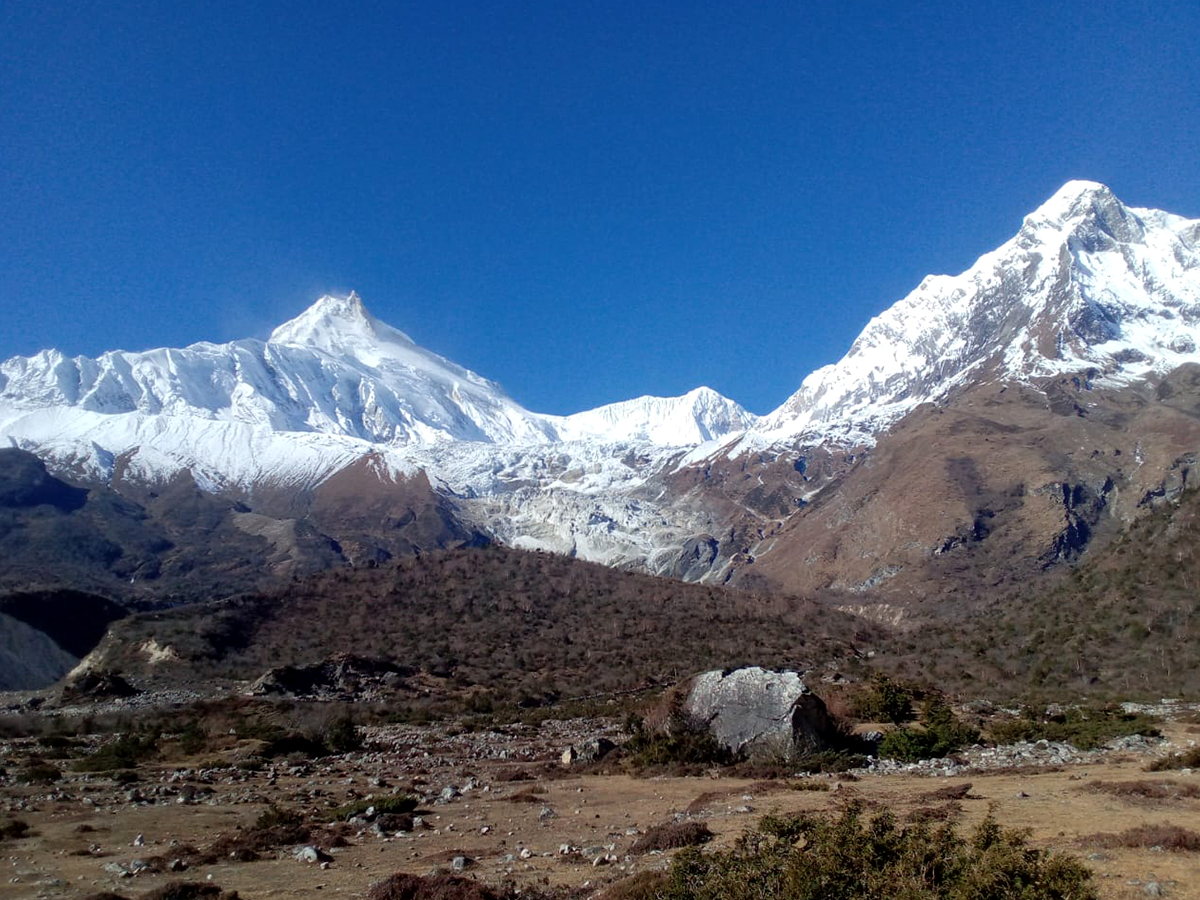
We start the morning with one last gaze at the Lho sunrise over Manaslu before trekking toward Shyala. The trail winds through fragrant pine and rhododendron forests, crossing crystal-clear mountain streams. As the valley opens up, the towering peaks of Peak 29 and Hiunchuli appear to your left.
Within an hour of leaving the forest, we enter the broad valley of Sama Gaun. This is the primary hub for the Nubri people. You’ll see vast fields of barley, wheat, and buckwheat guarded by ancient Mani walls. The village is surprisingly well-equipped, featuring a health post, monasteries, and even a helipad, all backdropped by the massive Manaslu Glacier.
Krishna’s Pro-Tip: The "Glacier Walk" Secret
"Many trekkers arrive in Sama Gaun and head straight for a nap. Don't do that!
— Krishna Pariyar, Lead Guide at Ammonite Adventure
About Sama Gaun Village and Teahouses
Sama Gaun is the perfect high-altitude sanctuary. Today is designed to let your body adjust to the thin air while immersing yourself in Tibetan Buddhist culture. You can spend the morning wandering through the village’s stone-paved alleys, visiting the central monastery, or photographing the endless rows of Mani walls and colorful prayer flags.
For those wanting to stay active, there are two primary side-trips. An easy hike leads to Birendra Tal, a stunning turquoise glacial lake at the foot of the Manaslu Glacier. For the more ambitious, a steep and challenging climb leads to Manaslu Base Camp (4,800m), offering a front-row seat to the world of high-altitude mountaineering.
Krishna’s Pro-Tip: The "Golden Rule" of Acclimatization
"Today is not a 'lazy' day it’s a 'smart' day! In the mountains, we say: 'Walk High, Sleep Low.'
— Krishna Pariyar, Lead Guide at Ammonite Adventure
Side-Trip Options from Sama Gaun

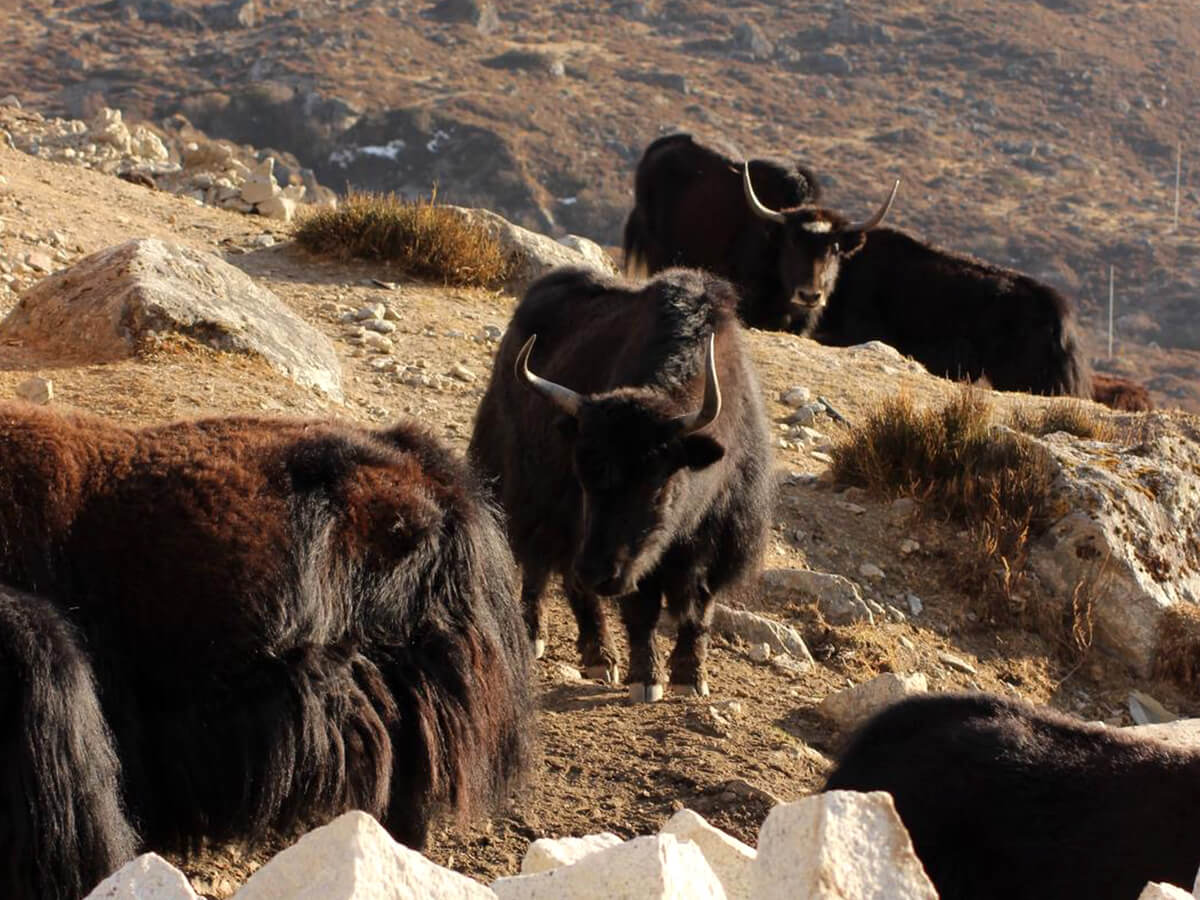
Today’s trek is intentionally short to aid your acclimatization. The trail is mostly flat and incredibly scenic, taking us through high-altitude yak pastures and crossing the Budhi Gandaki River via a wooden suspension bridge.
The final approach to Samdo involves a short, steep ascent into the village. Perched on a plateau near the Tibetan border, Samdo is a collection of 30 - 40 traditional stone houses. From here, you can see Samdo Peak and the rugged hills that lead directly into Tibet. This is one of the most remote and culturally authentic stops on the entire circuit.
Krishna’s Pro-Tip: The "Samdo Sensation"
"You might notice a strange feeling today a bit of tingling in your fingers or a slight shortness of breath. This is the 'Samdo Sensation' (altitude).
— Krishna Pariyar, Lead Guide at Ammonite Adventure
About Samdo Village and Teahouses

Today is short in distance but heavy in effort. We cross the final wooden bridge over the Budhi Gandaki River before beginning a steady, scenic climb of 500 meters. The trail takes us through wide alpine meadows with views of the Larkya Glacier looming ahead.
We eventually reach Larkya Phedi, also known as Dharamsala. This is the highest sleeping point of the trek. There is no permanent village here; instead, you’ll find a cluster of basic stone lodges nestled in the moraine. If you arrive early and have the energy, a short hike up Khaki Danda offers incredible views of the surrounding peaks, but resting is the priority today.
Krishna’s Pro-Tip: The "Dharamsala Checklist"
"Dharamsala is the most 'raw' place you will sleep. It is cold, windy, and the air is thin, but it is where the real bond between trekkers is formed!
— Krishna Pariyar, Lead Guide at Ammonite Adventure
About Dharamsala Village and Teahouses
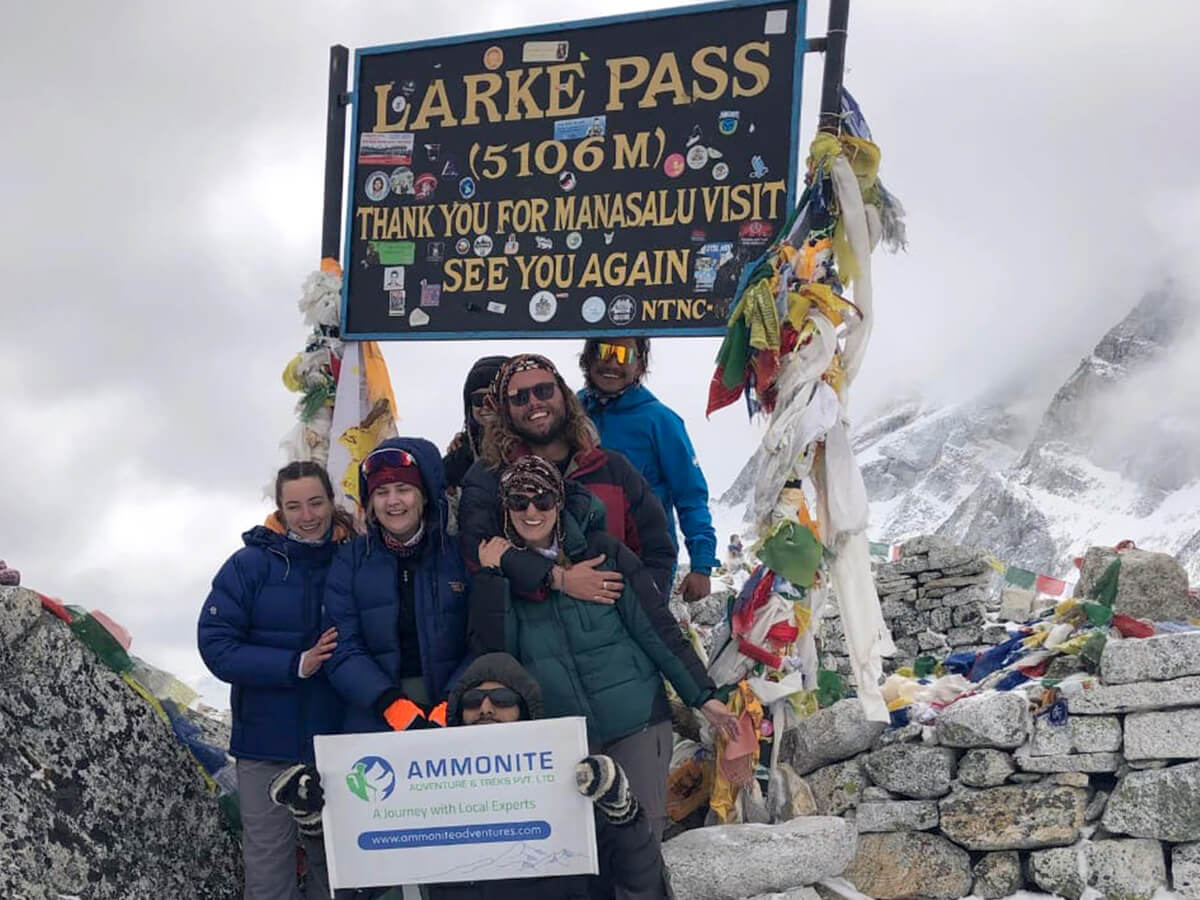
The "Big Day" begins at 4:30 AM under a canopy of Himalayan stars. We start with a gentle but steady climb over the moraine of the Larkya Glacier. As the sun rises, the peaks of Himlung Himal, Cheo Himal, and the mighty Annapurna II begin to reveal themselves.
Reaching the summit of Larkya La Pass (5,106m) around 9:00 AM is a moment of pure triumph. After celebrating and taking photos at the prayer-flag-draped summit, we begin the most technical part of the trek: a steep, 2.5-hour descent. We’ll stop for a well-earned lunch at the small tea houses in Larke Phedi before a final 1.5-hour push to Bhimtang, an "enchanting valley" hidden beneath the vertical walls of the Manaslu massif.
Krishna’s Pro-Tip: The "Summit & Slide" Strategy
"Today is 10% legs and 90% mind. I’ve crossed this pass dozens of times, and here is how we win:
— Krishna Pariyar, Lead Guide at Ammonite Adventure
About Bhimthang Village and Teahouses
The day is a "pure delight" of downhill walking. We leave the amphitheater of Bhimtang and head toward Yak Kharka (2.5 hours), where we take a break at small, rustic teahouses. The trail continues to drop through spectacular forests to Sokhe and onto the Gurung village of Goa, our primary lunch stop.
After a hearty meal in Goa, we enjoy a final 1.5-hour stroll through terraced fields and traditional villages to reach Tilche. This vibrant village of 40 houses is a unique cultural crossroads where Buddhism and Hinduism coexist. It also marks a logistical milestone: the first point where the road network meets the trail.
Krishna’s Pro-Tip: The "Victory Lunch" in Goa
"Today is all about celebrating your success at the Pass!
— Krishna Pariyar, Lead Guide at Ammonite Adventure
About Tilche Village and Teahouses
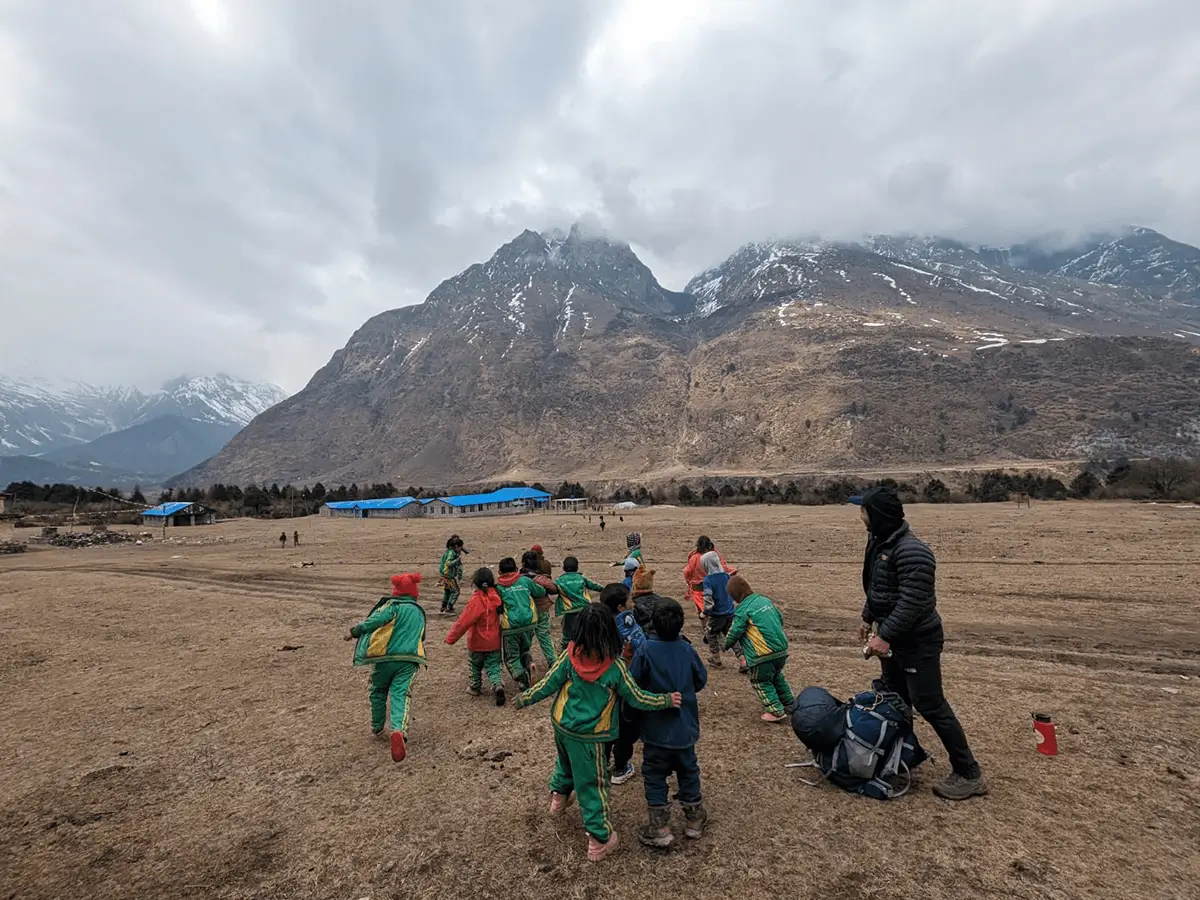
Today, you bid a heartfelt farewell to the peaks. We trek from Tilche to Dharapani, where we swap our trekking boots for a rugged 4WD jeep for the road journey to Besisahar. This combined trekking and driving drive is a spectacular "best-of" reel of the countryside, passing through hanging bridges and deep river gorges.
We aim to arrive in Besisahar by noon for a final lunch with the team. From here, the road paves out for the 170 km drive back to Kathmandu (or an optional transfer to Pokhara). Whether you are heading back to the capital or extending your stay in Nepal, Ammonite Adventure handles all the logistics, including a complimentary airport drop-off for your flight home.
Krishna’s Pro-Tip: The "Return Choice"
"The journey doesn't have to end in Kathmandu!
— Krishna Pariyar, Lead Guide at Ammonite Adventure


Enhance your Manaslu Circuit Trek with Ammonite Adventure's flexible add-on services, designed to provide extra comfort, convenience, and personalization based on your preferences. From dedicated personal porters to private 4WD jeep transfers, these optional upgrades allow you to tailor your journey for maximum physical comfort and logistical ease.
Dedicated Personal Porter Service: Protect your stamina and reduce physical strain at high altitude by upgrading to an individual porter. It is designed in such a strategic way that two trekkers will have to share one porter, allowing you to take only what is necessary for the day while the rest will be taken care of by us in a professional manner.
Your porter will carry a maximum of 20 kg of personal belongings and equipment. The cost of hiring a personal porter is 25 dollars per person per trekking day. The cost of the personal porter will be $300.
We have two premium transportation add-ons available to ease the stress of your travel:
Private Jeep from Kathmandu to Machhikhola (USD 200)
Private Jeep from Tilche to Kathmandu/Pokhara (USD 300)
The best times to trek the Manaslu Circuit are spring (March–May) and autumn (September–November). These months deliver reliable atmospheric stability, comfortable daytime temperatures, and unobstructed alpine views across the Nubri Valley, offering excellent visibility of Mount Manaslu and the surrounding peaks. Lower avalanche risks and dry footpaths ensure safer, more predictable crossings over the demanding 5,106m Larkya La Pass. Spring paints the lower forest trails with native red rhododendron blooms, while autumn aligns your journey with vibrant Hindu and Tibetan cultural festivals.
The physical challenge of the Manaslu Circuit evolves progressively, blending sub-tropical river valley walking with grueling high-altitude ascents. The first and second days are easier, starting with drives from Kathmandu (1,400 m / 4,593 ft) to Machhakhola (930m / 3,051ft) and a half-day walk to Jagat (1,340 m / 4,396 ft).
As you ascend past Jagat into the Nubri Valley, the trails transition into rugged, stone-paved gorges and suspension bridges requiring sustained physical stamina. From Lho (3,180 m / 10,433 ft) to Sama Gaun (3,520 m / 11,548 ft) and Samdo (3,875 m / 12,717 ft), trekking intensity increases, and the risk of mild altitude sickness begins to appear.
Rest and acclimatisation days in Sama Gaun help your body adjust, preparing you for the toughest challenge ahead: Larkya La Pass (5,106 m / 16,752 ft ). Scaling the windswept 5,106 m Larkya La Pass demands an alpine start, micro-spikes for icy sections, and immense cardiovascular endurance.
While the post-pass descent to Bhimtang and Tilche drops rapidly in elevation, the sustained downhill grade places heavy stress on quadriceps and knees.
Ultimately, Manaslu is classified as a strenuous, remote-area trek where disciplined pacing, hydration, and built-in acclimatization days dictate success. For those looking for an even greater challenge, this trek serves as the perfect high-altitude preparation for a full Manaslu Expedition, where climbers push beyond the base camp to the 8,163 m summit.
Accommodation along the remote Manaslu Circuit consists of family-run mountain teahouses that offer rustic, twin-sharing shelter rather than luxury amenities. Most rooms have shared bathrooms, wooden beds, and warm blankets, offering comfort and warmth rather than luxury. Learn more about what to expect on a Manaslu teahouse.
Teahouse dining revolves around communal wood-stoved core rooms serving energy-rich staples like dal bhat, Tibetan bread, garlic soup, and noodle dishes. Hot showers and hot water are generally available for a small fee, while cold water is typically free. Staying in these teahouses also gives you a chance to experience the local lifestyle on the Manaslu Circuit.
Because Manaslu is a strictly controlled border region, the Government of Nepal mandates specific conservation and restricted area permits before you can step onto the trail.
Note: The good news is that all costs and processes are included in the Ammonite Manaslu circuit trek packages.
Purpose: Required to enter the restricted area from Jagat and Dharapani
Cost:
Where to Process: A registered trekking agency or Nepal Tourism Board in Kathmandu
Important Notes:
Solo bookings are now permitted through registered trekking agencies, provided you are accompanied by a mandatory government-licensed guide (the previous minimum 2-trekkers rule no longer applies).
Teahouse dining on the Manaslu Circuit is designed to supply high-calorie, carbohydrate-rich sustenance required for high-altitude endurance, blending traditional Nepali staples with Tibetan influences. While menus become simpler and more focused as you gain elevation, kitchens provide warm, freshly prepared meals at every stop.
Throughout your trek, you will dine on breakfasts, lunches and dinners tailored to provide fuel and nourishment. And during your short hikes around the Manaslu, you will be provided with the packed meals. Meal plans highlight an abundance of fresh vegetables and proper hydration necessary to keep healthy at high altitudes.
Power access along the Manaslu Circuit transitions from hydroelectric and solar grids in lower villages to strictly battery or solar-backed systems at higher altitudes, with solar energy substituted on some of the higher parts of this trek.
There are no electrical facilities at Dharmasala’s teahouse lodges, and trekkers will have to pay for charging their batteries and other electronic devices, hot showers, and heating systems with stoves (if required). Device charging fees range from NPR 300 to NPR 700 per hour or device, scaling up with altitude where electricity relies entirely on solar generators.
Foreign exchange rates fluctuate daily. Major currency conversion centers are concentrated in Kathmandu’s Thamel district, offering the most competitive rates before heading onto the trail.
Airport exchanges might have a little higher rate, but travelers can convert easily. But for the Manaslu Circuit Trek, trekkers need to carry Nepali rupees as most of the teahouses and hotels accept only Nepali currency. Because remote teahouses do not accept credit cards or foreign currency, securing enough Nepali Rupees (NPR) in Kathmandu is a critical step to cover personal expenses en route.
While mobile and internet connectivity has improved significantly across the Manaslu Circuit, service remains vulnerable to geography and weather conditions. Mobile cellular works through a network provided by NTC in most places, with Wi-Fi internet available at several points.
As the elevation increases, the mobile network connection and Wi-Fi reliability decrease, but you can still contact your family and friends on social media.
We strongly advise purchasing a local SIM card in Kathmandu prior to departure, as cellular signup is unavailable in remote mountain regions, as it might be difficult once you trek to a higher and remote region.
Read the Full guide on Preparation For The Manaslu Circuit Trek
Whether you prefer an exclusive private departure or a shared group experience, Ammonite Adventure accommodates solo travelers and private groups of all sizes. If you are able to go with your group, there are great group discounts with greater discounts with larger groups. These group discounts don't apply when Ammonite Adventure organizes the group.
We can accommodate groups of any size, and we will assign an assistant guide to any group with 12 or more trekkers. We will provide each pair of trekkers with a porter, and 9 kg per trekker (18 kg total per shared porter.
While our all-inclusive Ammonite Adventure packages cover government permits, professional guiding, lodge accommodation, and all three daily meals on the trail, certain personal expenses remain the responsibility of the traveler. While we cover most of the costs, there are certain costs that we don’t. For example, meals and accommodation in Kathmandu are entirely up to our clients. You can find any kind of hotel/lodge, luxury and budget, in Kathmandu, and clients can book online.
All of our clients should bring some personal spending money for accommodation and food costs in Kathmandu, visa process, purchase of travel insurance policy, snacks and hot (tea/coffee) and cold drinks, tips for the crew members, souvenirs, etc. we advise bringing major convertible currencies (USD, GBP, EUR) to exchange in Kathmandu before heading into the mountains, as mountain teahouses operate strictly on cash Nepali Rupees. The trekking regions will only accept Nepali currency.
Ammonite Adventure is a fully bonded, government-registered trekking operator in Nepal and an active member of TAAN and NMA, ensuring professional legal compliance and financial security for your booking. To secure your departure, a 10% advance deposit is required via secure bank wire transfer, online gateway, or recognized transfer services.
You can pay the balance payment in Nepal with cash, credit card, or transfer. Once you have made the booking, you will need to email them a copy of your passport, which can include dependent children, photos, travel insurance, and flight details in a week.
We do accept last-minute bookings for the Short Manaslu Circuit. You must pay for the trip in full 24 hours before the start of the trek.Because Manaslu requires special Restricted Area Permits (RAP) processed through government immigration, last-minute bookings require strict cooperation to expedite paperwork within tight windows.
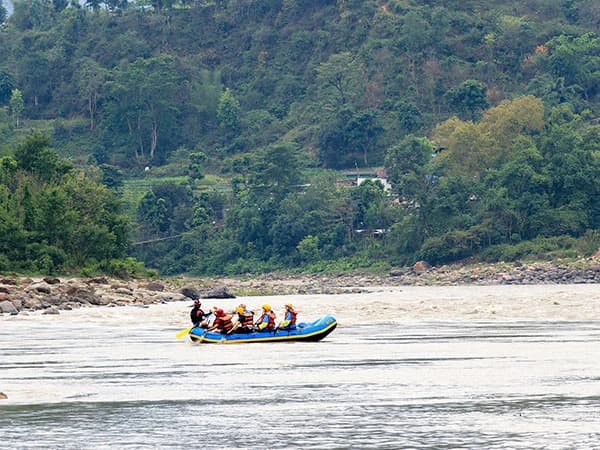
If you would like to stay on for a few more days after the trek, we have the chance to organize trips. You can opt for many activities like Kathmandu or jungle safaris, or other activities like paragliding, rafting, or canoeing.
After the Short Manaslu Circuit trek, there will be a farewell dinner in Kathmandu organized by Ammonite Adventure. A printed certificate will be given to you, and you will have the chance to give feedback on the trek.
On your 12-day trek, it is very important to pack correctly to feel comfortable and safe. We provided you with one porter for every two trekkers. Please organize to pack your kit into one bag, ideally a duffle bag with a volume of at least 60 L.
Your luggage limit is 9 kg per trekker In addition, you will carry a normal backpack with your daily things. Here is a packing list to assist you:
We provide a (used, non-waterproof) duffle bag, a (used) down jacket, and a (used) sleeping bag for use if you do not have your primary gear.


Emergency services are limited, but there are basic healthcare facilities in some villages along the trek. It’s strongly recommended you go with a guide and have travel insurance for helicopter evacuation.
There is internet access in some villages, most likely through Wi-Fi provided by teahouses for a small fee. However, in remote areas, the connection may be slow and unreliable.
Moderate fitness is required for most treks, but specific trails like the Everest Base Camp or Manaslu Circuit demand better endurance. It is highly recommended to be involved in cardiovascular and strength training exercises prior to your trek.
Some treks, like Manaslu Circuit, legally require you to have a registered guide. A guide ensures your safety, helps navigate trekking trails and enhances your overall trekking experience.
Yes, vegetarian meals are available and are generally quite good along the main trekking routes. Many people actually prefer vegetarian dishes to meat for higher quality.
Some treks go to very high altitudes where you are exposed to thin air and low oxygen levels. However, if you take necessary precautions of proper acclimatization, hydration and slow ascent, then there is nothing to worry about. Trekkers are all the time monitored for symptoms by our trek leaders and they can help you in case evacuation is required.
Sturdy trekking boots, warm clothing layers, a sleeping bag, a backpack and trekking poles are essential. A detailed packing list will be provided upon booking.
The cost of the trek includes permits, accommodation and meals. However, you will need to budget for snacks, wifi, device charging and tipping. The best estimate for additional expenses would be USD 15-20 per day.
Yes, our guides and porters are insured and trained in wilderness first aid and high-altitude trekking. They are experienced, professional, and dedicated to ensuring your safety, security, and comfort during the trek.
Yes, when you arrive at Tribhuvan International Airport a representative of Ammonite Adventure and Treks will welcome you. He/She will transfer you to your respective hotel in Kathmandu.


When arriving in Kathmandu, a friend and I were roaming
Great and challenging trek. Very diverse nature, beautiful landscapes, an