Luxury Accommodation on the Trek
At 3,400m, luxury feels more like a boutique hotel. At 5,000m, the lodges will be the cleanest and warmest available. They're also the best possible improvement over a standard teahouse. On cold nights, you'll be glad that difference exists.
In Namche Bazaar, there are lodges with private rooms, an attached bathroom, a hot shower, wifi, and heated dining halls. These lodges will be comfortable by practically any standard. You'll feel it the moment you walk in.
Once you start climbing to Dingboche, Lobuche, and Gorak Shep, the lodges provide more basic infrastructure due to altitude. But the luxury lodges will still have better insulation, warmer bedding, and cleaner bathrooms compared to the standard lodges at those locations. Don't underestimate what that means after a long day on the trail.
We make reservations in advance for each lodge based on our itinerary. So our customers don't have to search for accommodation during the high season. Also, we try to use the best available room options at each lodge. That's critical for busy lodges like Namche and Tengboche, you'll be glad it's already sorted.
For more specific ratings on individual lodges, see our Luxury Lodging in the Everest Region guide.
Food and Dining Experience
Food on a luxury Everest trek is an authentic upgrade from the basic dal bhat and instant noodles fare of regular trekking. But the Khumbu is an uncompromising mountain environment. The menu is shaped by what can be lugged in and out of its remote corners, stored at altitude and cooked at altitude.
At lower altitude lodges, there are fresh bakery items. It's bread, cinnamon rolls, apple pie, plus the real thing: espresso coffee. Also, there are soups made using local vegetables, pasta dishes, and a good selection of breakfasts. The menu shrinks as you go up. But good lodges adhere to hygiene. Their cooks provide hot, nutritious meals at all points. On colder nights at higher camps, you'll be glad a warm meal is always waiting.
Every meal included in our luxury package is provided at the lodge restaurants. It's breakfast, lunch, and dinner. Hot drinks such as tea, coffee, hot lemon and ginger soup are available all day. Also, our guides offer advice on which foods to select at various altitudes. So you'll maintain high energy without stressing your digestion. Don't ignore that advice.
Helicopter Return Experience
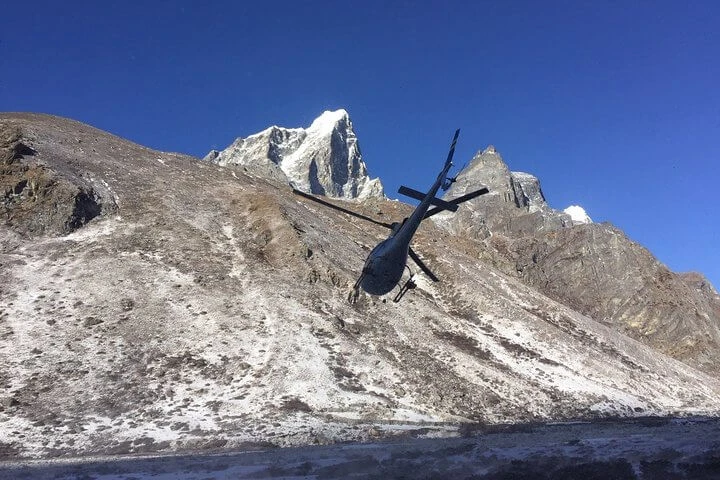
One of our most sought-after add-on features for the 14-day tour is a return helicopter flight from Gorakshep. It can also depart directly adjacent to Kala Patthar. Rather than spending an additional 2 full days walking back down the same path, a 20-minute helicopter ride will safely transport trekkers to Lukla or Kathmandu. Don't underestimate how welcome that feels after 14 days on the trail.
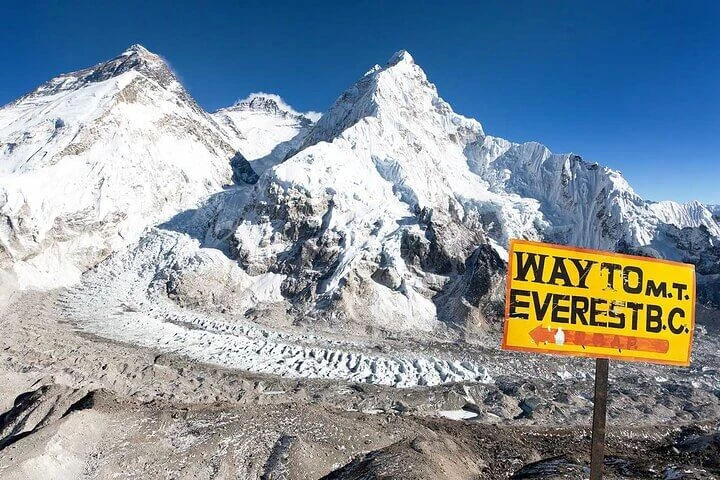
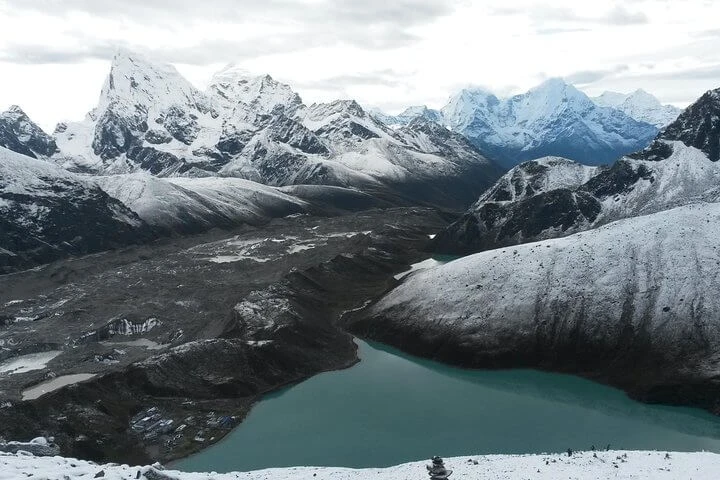
The helicopter ride offers great views of the Khumbu Glacier and the southern face of Everest. Also, you'll see the valleys you trekked through and the villages you stayed in. It's a unique perspective and a fitting way to end your adventure. From Gorakshep, those final views hit differently from the air.
Trekkers with limited time may find the helicopter option well worth the price of the ticket. So will those whose knees would rather not spend an additional 2 days descending. You'll be glad you considered it.
For full details on flight times, costs, and the locations of possible drop-off and pick-up points, refer to the Everest Scenic Flights page.
Difficulty Level: Is Luxury Trekking Easier Than Regular Treks?
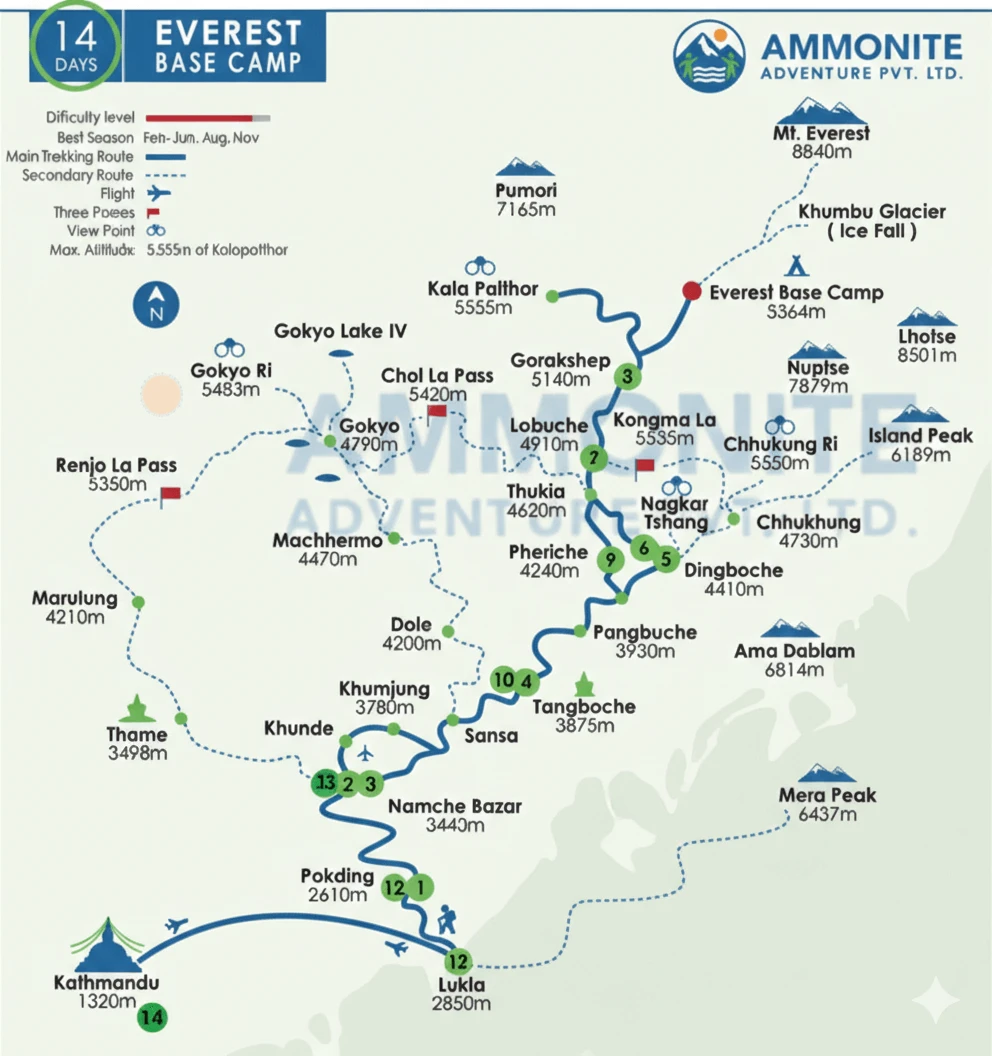
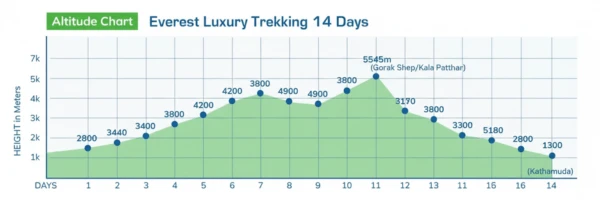
This is one of the most asked questions from our team. It's also one of the most important. And the answer is: yes, it's still a challenging trek. The level of luxury doesn't change the fact that you're still going to be trekking 8–19 km per day, reaching 5,555 meters, and spending two weeks in a high-altitude environment. Don't go in expecting otherwise.
What does change is your recovery. Your ability to get a good night's sleep, your room, and your food all impact your recovery. Trekkers who have done the luxury trek consistently report more strength in the second half of the trek than those who stayed in basic teahouses. On tough days, you'll feel that difference.
Our itinerary also includes two days of dedicated acclimatisation. One is in Namche and one is in Dingboche. These are genuinely important. We don't rush this trek. For more information on physical requirements, please see our Everest Base Camp Trek For Beginners. It's always a good idea to consult a doctor before traveling if you have any health concerns.
Trekking to Everest Base Camp is an unforgettable experience any time of the year. But your comfort and mountain scenery depend on the time of year. Choosing the right time is one of the most important decisions in your planning.
Best Time for Everest Luxury Trekking
Regardless of what time of year you trek to Everest Base Camp, the time of year will impact both your comfort and the views of the mountains. When you are planning, one of your biggest decisions is when to travel.
The best times to do Everest Luxury Trekking are in the Spring (March to May) and the Fall (September to November). During Spring, temperatures begin to rise, the skies are generally clear, and the rhododendron trees are blooming - this is usually the most visually spectacular time to be on the trail. After the Monsoon season (Fall), the air is cleaned, and you see sharp pictures of the Himalayan peaks. You will also find that lodges fill up fast in both of these seasons, so we have a pre-booking system.
Although winter is possible, it is considerably more difficult than the other seasons. For example, temperatures from Dingboche and higher can easily drop to −15°C or lower overnight, creating icy trail conditions above Dingboche. Even luxury lodges high in the mountains will have a difficult time keeping warm. Microspikes are not an option, nor is a good sleeping bag, if you intend to trek during the winter months.
The monsoon season (Jun - Aug) brings significant rainfall; there are many leeches on the lower trails; and clouds can cover the mountains for several days at a time. As such, most well-experienced trekkers will avoid trekking during the monsoon season.
Each year, our team fills up very quickly for both spring and fall. If you want to trek with us in 2026, we suggest booking at least three to four months before your desired travel date in order to have the best chance of lodge availability. Please reference our Best Time to Trek Everest guide for a detailed breakdown of each season.