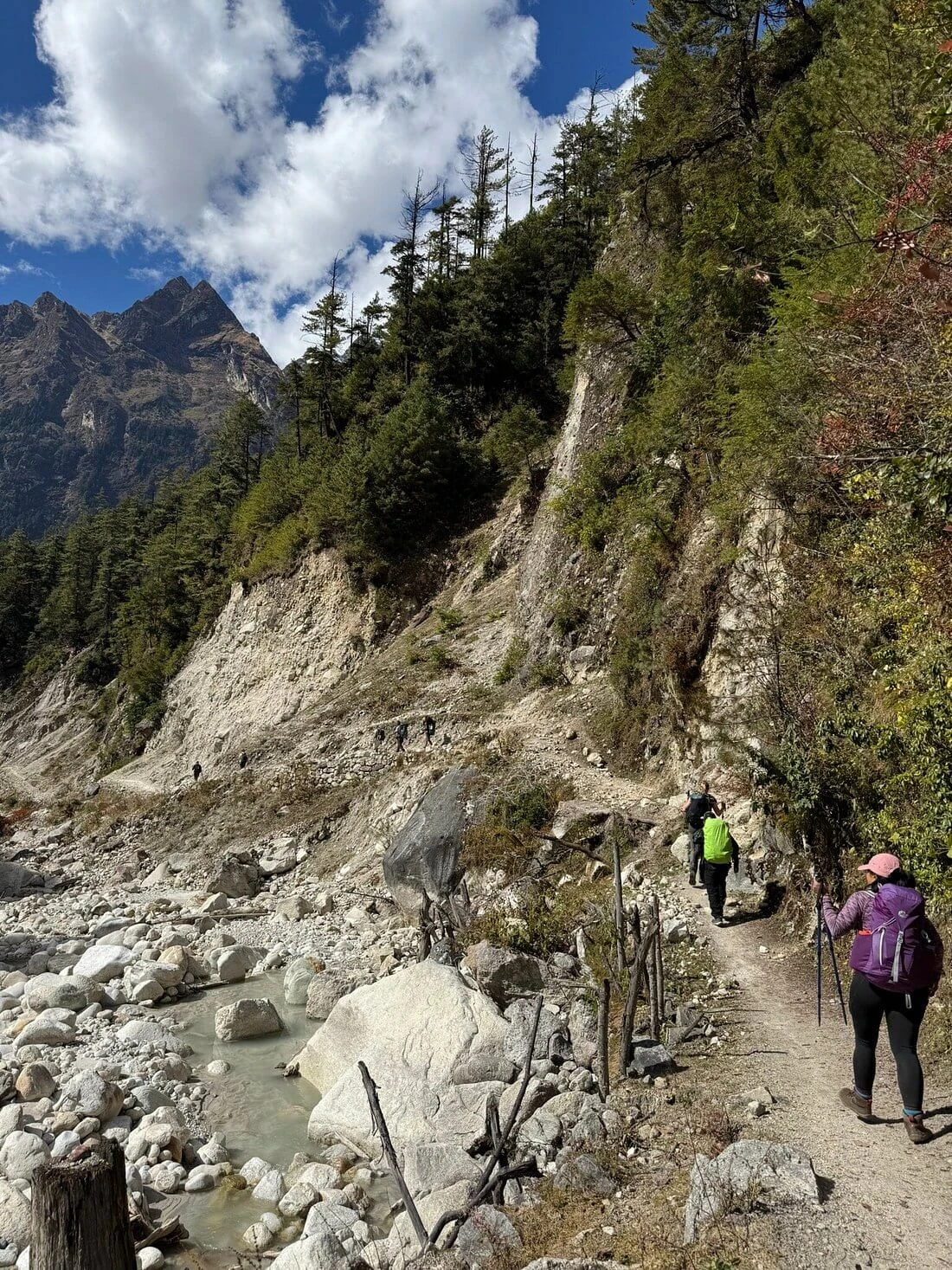
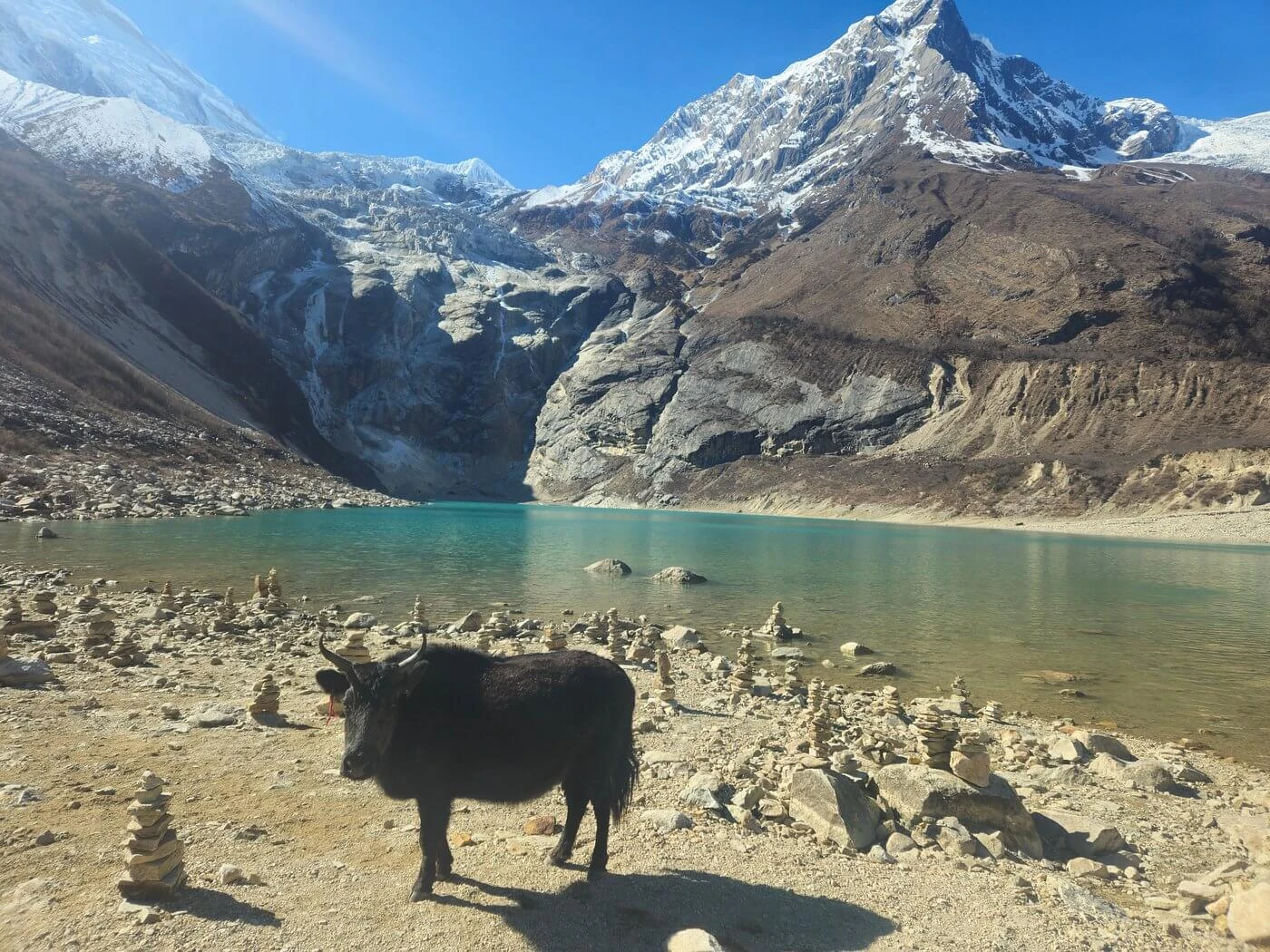
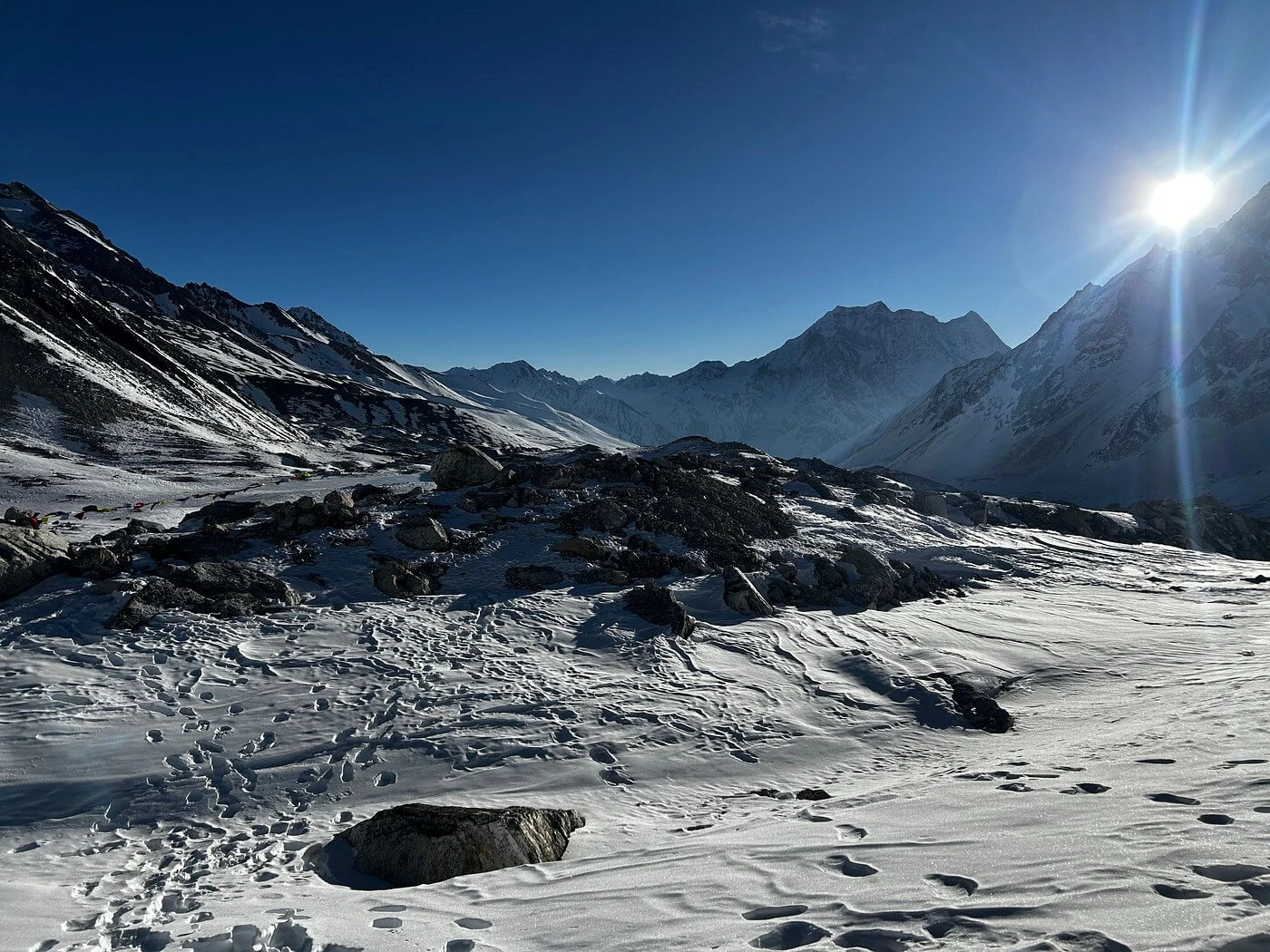
mountain view on the way to Lower Manaslu Trek

Lower Manaslu Trek

458 reviews
104 reviews
Recommended by 99% of travelers

The Lower Manaslu Trek is a relatively quiet, non-technical journey in Nepal's Gorkha region, reaching a maximum elevation of 3,220 m at Dharche Danda. This 10-day off-the-beaten-path itinerary takes you through traditional Gurung villages like Barpak and Laprak while staying at safe, low altitudes with incredible mountain vistas. The budget is USD 600 to 900 per person, dependent on how many people there are and what services. Spring blossoms from March through May and autumn’s stable weather from September to November are ideal for clear skies. This trek is suitable for beginners and families looking for an authentic Himalayan experience with rich culture and moderate difficulty without the risk of altitude sickness.

⚠️ 2026 Trail Update

  • Road Extension: The traditional trekking start point has shifted to Machha Khola, as road construction has replaced much of the original trail from Soti Khola.
  • Alternative Footpaths: New community-led "eco-trails" have been developed on the opposite riverbank to provide a road-free walking experience between Machha Khola and Jagat.
  • Mandatory Guide Policy: Under 2026 regulations, a licensed guide is not legally required for the Lower Manaslu Trek itself, but all foreign trekkers must have a guide when entering the surrounding restricted areas.
  • Digital Permit Integration: Checkpoints at Jagat and Philim have shifted to digital registration, requiring trekkers to present QR-coded versions of their MCAP and ACAP permits.
  • New Connection Trails: A newly developed route now connects the lower Manaslu region to the Annapurna foothills via the Buddha Himal and Dudi Pokhari lake.
  • Local Entry Fees: Trekkers must now pay a mandatory Chumnubri Rural Municipality Fee of NPR 1,000, which is collected locally in addition to the standard MCAP permit.
At a Glance
Duration10 Days
Trip GradeModerate
CountryNepal
Maximum Altitude3,220m
Group Size8
StartsKathmandu
EndsKathmandu
Travel StyleTrek
Best TimeAutumn and Spring

What Makes this Trek Special

The trek takes you through the stunning hill and mid-hill valley of this region. The region lies between the Annapurna Circuit Trek and the Tibetan border. So you get similarly jaw-dropping mountain scenery without the hordes that flock to more popular routes. The journey travels through genuine Gurung villages. The traditional lifestyle is still well preserved there.

Unlike the Manaslu Circuit Trek that traverses the arduous Larkya La Pass at 5,160 meters, Lower Manaslu Hiking trails are conducted through more moderate altitudes. They range from around 1,000 to 3,220 meters. This makes it available to trekkers with no prior experience in high altitude environments. But you'll still get some stunning mountain views and cultural experiences. It has far fewer visitors than the Everest or Annapurna regions. This allows for authentic interactions with local people.

This is your ideal trek if you're new to treks and prefer a moderate level of difficulty. Also, it's perfect if you love village culture and wish to spend enough time with them. Or maybe you have limited days and want a true taste of all the Himalayas has to offer. The trail takes you to Barpak and Laprak. These are two of Nepal's most stunning traditional villages. Deep cultural immersion is seldom encountered on commercial trekking paths. But you'll find it here.

Route Overview

The Manaslu Trek Map takes trekkers to Gorkha and trails in a different path through traditional Gurung villages and the elevated alpine region with mesmerizing mountain views.

  • Starting Point: Gorkha Bazaar (1,060m)
  • Highest Point: Dharche Danda (3,220m)
  • End point: Ghyampesal and return to Kathmandu
  • Route Style: Loop into the remote villages and Ridge trails

Major Villages Along the Route

  • Gorkha Bazaar: Historic town, starting point
  • Sirandada: Traditional village at 1990m
  • Barpak: A pretty Gurung village
  • Laprak: A distant village with a breathtaking view of the mountains
  • Nambai Kharka: Village situated in the alpine meadows at 2,700m
  • Dharche Danda: Top point with all-round views
  • Ghyampesal: Final trekking village

What Will You See on the Route?

Hiking trails in Nepal traversing this region ascend through terraced fields at lower elevations. You'll move up and down rhododendron and oak forests at mid-elevations. Then the landscape opens up to alpine meadows higher up.

The uplands are pastures with magnificent views of the mountains. The beautiful landscapes involve views of Manaslu at 8,163m. Also, Ganesh Himal and plenty of other peaks appear. The route includes ridge walks. You'll get 360-degree views of the mountains.

What Cultural Experiences Will You Find

The route for this Manaslu travel guide promises an incredible cultural experience. Barpak and Laprak embody the best of Gurung culture. You'll see their stone houses. Old traditions are alive here. And the inhabitants are friendly. You also have the opportunity to participate in the locals' festivities during the good seasons. You can visit the schools in the villages too. You'll witness the traditional ways of farming.

The earthquake of 2015 greatly affected the villages in the region. Treks to the region help in the rebuilding and recovery of the region.

Lower Manaslu Trek Short Itinerary

Day 1: Arrival at Kathmandu (1,400 m / 4,593 ft). Transport: Airport transfer to hotel. Accommodation: Rydges Hotel.

Day 2: Drive from Kathmandu to Gorkha Bazaar (1,060 m / 3,477 ft). Transport time: 5 hrs. Accommodation: local guesthouse. Distance: 140 km / 87 miles.

Day 3: Trek from Gorkha Bazaar to Sirandada (1,990 m / 6,529 ft). Trekking time: 6–7 hrs. Accommodation: Simple lodging.

Day 4: Trek from Sirandada to Barpak (2,280 m / 7,477 ft). Trekking time: 6–7 hrs. Accommodation: tea house.

Day 5: Trek from Barpak to Laprak (2,100 m / 6,890 ft). Trekking time: 6 hrs. Accommodation: tea house.

Day 6: Trek from Laprak to Nambai Kharka (2,700 m / 8,858 ft). Trekking time: 4 hrs. Accommodation: tea house.

Day 7: Trek from Nambai Kharka to Dharche Danda (3,220 m / 10,564 ft). Trekking time: 5–6 hrs. Accommodation: Simple lodge.

Day 8: Trek from Dharche Danda to Ghyampesal (960 m / 3,150 ft). Trekking time: 7–8 hrs. Accommodation: tea house.

Day 9: Drive from Ghyampesal to Kathmandu (1,400 m / 4,593 ft). Transport time: 7–8 hrs. Accommodation: Rydges Hotel.

Day 10: Departure from Kathmandu airport

Trek Cost Breakdown

The route cost varies based on group size, services included, and season. Here's a comprehensive breakdown:

Cost Item

Details

Approximate Cost (USD)

Notes / Tips

Trekking Permits

Local permits and entry fees

$30 - $50

Much lower than Manaslu Circuit permits

Guide & Porter

Licensed guide and porter

$300 - $450

Essential for navigation in remote villages

Accommodation

Guesthouses and basic lodges

$100 - $150

Simple facilities; some villages have limited options

Food & Drinks

All meals, tea, and snacks

$150 - $250

Dal bhat offers unlimited refills and best value

Transportation

Kathmandu-Gorkha-Kathmandu

$100 - $180

Private jeep recommended for group comfort

Kathmandu Hotel

3 nights in Kathmandu (Days 1, 9, 10)

$60 - $120

Budget to mid-range options available

Travel Insurance

Emergency evacuation coverage

$50 - $100

Mandatory; must cover trekking up to 4,000m

Miscellaneous

Tips, charging, hot showers

$40 - $80

Budget for personal expenses and staff tips

Total Estimated Budget

Complete 10-day package

$600 - $900

Solo trekkers pay more; groups reduce per-person cost

Cost-Saving Tips

  • Take a group trek to split guide and transportation costs. Book during the shoulder seasons for better prices.
  • Bring your own snacks. And rely on water purification, not store-bought bottled water.
  • Trek prices are much higher. This is given the restricted area permits and the length of the trek.

What Is the Best Time to Do the Lower Manaslu Trek? 

Selecting the best season is key to your Himalayan short trek:

Spring Season from March to May

During the springtime, the Manaslu Trek is just perfect. The weather is warming. And the environs are greening. Cold snaps can occur at high elevations during March. But April and May offer ideal daytime temperatures. That's 15-20°C.

Rhododendron forests explode into a riot of color. This is especially true in April through the Nambai Kharka area. Mountain views continue to be mostly unobstructed. Occasional afternoon clouds roll in at the end of May. The tourists are moderate this season. So truly, you can have cultural interactions.

Autumn Season from September to November

Autumn Manaslu trek is the most popular time for trekking. There are a few reasons to choose that. Autumn's post-monsoon air clarity provides panoramic views of the mountains. You'll see this from Dharche Danda and other vantage points. September is still a little wet. But October and November are pretty much perfect.

Days are mild. That's 12-18°C on average. It's cooler at higher elevations. But the predawn and early morning temperatures are cold. Stable conditions in the atmosphere lower risk for rain. There's the cultural richness of major Hindu festivals like Dashain and Tihar. This is the finest time to visit the Manaslu trek. But remember, there will be more trekkers than in other seasons.

Winter Season from December to February

Winter brings challenges. You'll face below-zero temperatures over 2,500m. Snowfall happens infrequently. But the downcountry is still easily reached. And mountain clarity deserves a double take. Dharche Danda is cold. It can get snowy here. Teahouses remain open. But they have few facilities. This season is for only the most seasoned winter hikers.

Monsoon Season from June to August

Trails get slippery. Leeches occur in sections of the forest. The view of the mountains is obscured by cloud cover on most days. But the landscapes are lush and green. You'll have almost complete solitude. Lower prices reflect reduced demand. Monsoon trekking is for anyone who wants to hike the peaceful, not epic, trails.

Why Ammonite Adventure Is Best For This Trek

  • An experienced local team with deep knowledge of the mountains.
  • Safety is the top priority, with licensed guides for all passes, including challenging ones like Larkya La.
  • Flexible itineraries tailored to your needs and preferences.
  • 24/7 support before, during, and after your trek.
  • Combines local knowledge with global service standards trusted by trekkers worldwide.
  • Transparent pricing with no hidden costs.
  • Responsible, eco-friendly, and community-focused travel, supporting local communities.

Itinerary

This is a complete 10-day adventure. It includes arrival, trek and departure. This itinerary takes you a completely different route from the Manaslu Trek 12 Days.

We'll meet you at the airport. Then we'll drive you to the Rydges Hotel situated in Thamel. Wi-Fi is included in the room cost. Our staff at Tribhuvan International Airport will welcome you. We'll transfer you to the hotel. The remainder of the day is free for you to rest after your international flight. Evening briefing takes us through the trek itinerary. We'll check the equipment too. And we'll prepare permits. Overnight in Kathmandu.

Max. Altitude: 1,400mMeals: DinnerAccommodation: Rydges Hotel

The trip begins with a panoramic drive west from Kathmandu. You travel on the Prithvi Highway through the middle hills. Terraced farmlands and small towns appear along the route. Gorkha is also the ancestral hometown of Nepal's ruling Royal family. Explore the renowned Gorkha Durbar Palace on a hilltop. Overnight in a local guesthouse.

Max. Altitude: 1,060mMeals: Break fast - Lunch - DinnerAccommodation: local guesthouseDuration: 5 hoursDistance: 140 kmMode of Transport: Drive

You'll begin hiking up steadily through farming land. The trail is dotted with tiny villages and farmlands. Elevation gain is about 930 meters. So walk slowly and steadily. Stop often. Traditional villages and farming communities are spotted along the trail. Sirandada offers simple lodging. You can view the mountains from there. Overnight at Sirandada.

Max. Altitude: 1,990mMeals: Break fast - Lunch - DinnerAccommodation: simple lodgingDuration: 6-7 hoursMode of Transport: Trek

The route today has ascents and descents. It rolls through the hills. Forests and villages can be seen along the route. And Barpak is at the end of the destination. Barpak is a village of Gurung people. It was also struck by an earthquake in 2015. But the villagers have been able to reconstruct their houses in traditional architectural styles. Manaslu and its neighboring mountains provide stunning views. Visit the beautiful village. See its monastery too. And meet the locals. Overnight at Barpak.

Max. Altitude: 2,280mMeals: Break fast - Lunch - DinnerAccommodation: Tea houseDuration: 6-7 hoursMode of Transport: Trek

The route runs from one of Nepal's most authentic traditional villages to another. The route's condition changes. Some sections are quite challenging. The village of Laprak lies on a high shelf. The views of the surrounding mountains are spectacular. The village has a rich cultural heritage. And the inhabitants are friendly. Like in Barpak, rebuilding efforts are still in progress in this village too. Tourism helps support the village directly. Overnight at Laprak village.

Max. Altitude: 2,100mMeals: Break fast - Lunch - DinnerAccommodation: Accommodation:Duration: 6 hoursMode of Transport: Trek

This is a shorter, easier day. It enables a steady rise in altitude. The trail climbs through rhododendron forests. They look wonderful in the spring. Then it reaches alpine meadows. Nambai Kharka is a meadow. Local herders graze their animals there during the summer. This is a scenic location with wonderful views of the surrounding mountains. Basic accommodation is available.

Max. Altitude: 2,700mMeals: Break fast - Lunch - DinnerAccommodation: Tea houseDuration: 4 hoursMode of Transport: Trek

Today you'll reach the highest point of the trek. That's Dharche Danda. The trail leads to ridges. The views just keep getting better. The summit provides 360-degree views of Manaslu, Ganesh Himal and the Annapurna Range. You'll see many other mountains too. The sunrise and sunset are absolutely stunning. It's a windy and cold place. So you'll need layers. Simple lodge accommodations are available.

Max. Altitude: 3,220mMeals: Break fast - Lunch - DinnerAccommodation: Simple lodgeDuration: 5-6 hoursMode of Transport: Trek

Today you'll be descending. The trail has mixed landscapes such as woods, meadows and panoramic views of the mountains. Ghyampesal is at a lower altitude. Temperatures will be higher. You'll see more foliage, too. Tonight is the last night you'll spend upon these mountains. Congratulations on your trekking experience. Celebrate with your guide and porter staff.

Max. Altitude: 960mMeals: Break fast - Lunch - DinnerAccommodation: Tea houseDuration: 7-8 hoursMode of Transport: Trek

After breakfast, you'll begin driving back to Kathmandu. The return takes the same route through the middle hills of Nepal. You'll return to Kathmandu in time for the evening. You deserve a rest. And dinner out to celebrate the successful trek. Overnight in Kathmandu hotel.

Max. Altitude: 1,400mMeals: Break fast - Lunch - DinnerAccommodation: Rydges Hotel (Kathmandu)Duration: 7-8 hoursMode of Transport: Drive

We'll take you to the airport for your flight home. If you want to spend more time, you can do some other activities. Sightseeing in Kathmandu Valley is an option too. Some souvenirs will also be available for sale.

Customize Trip

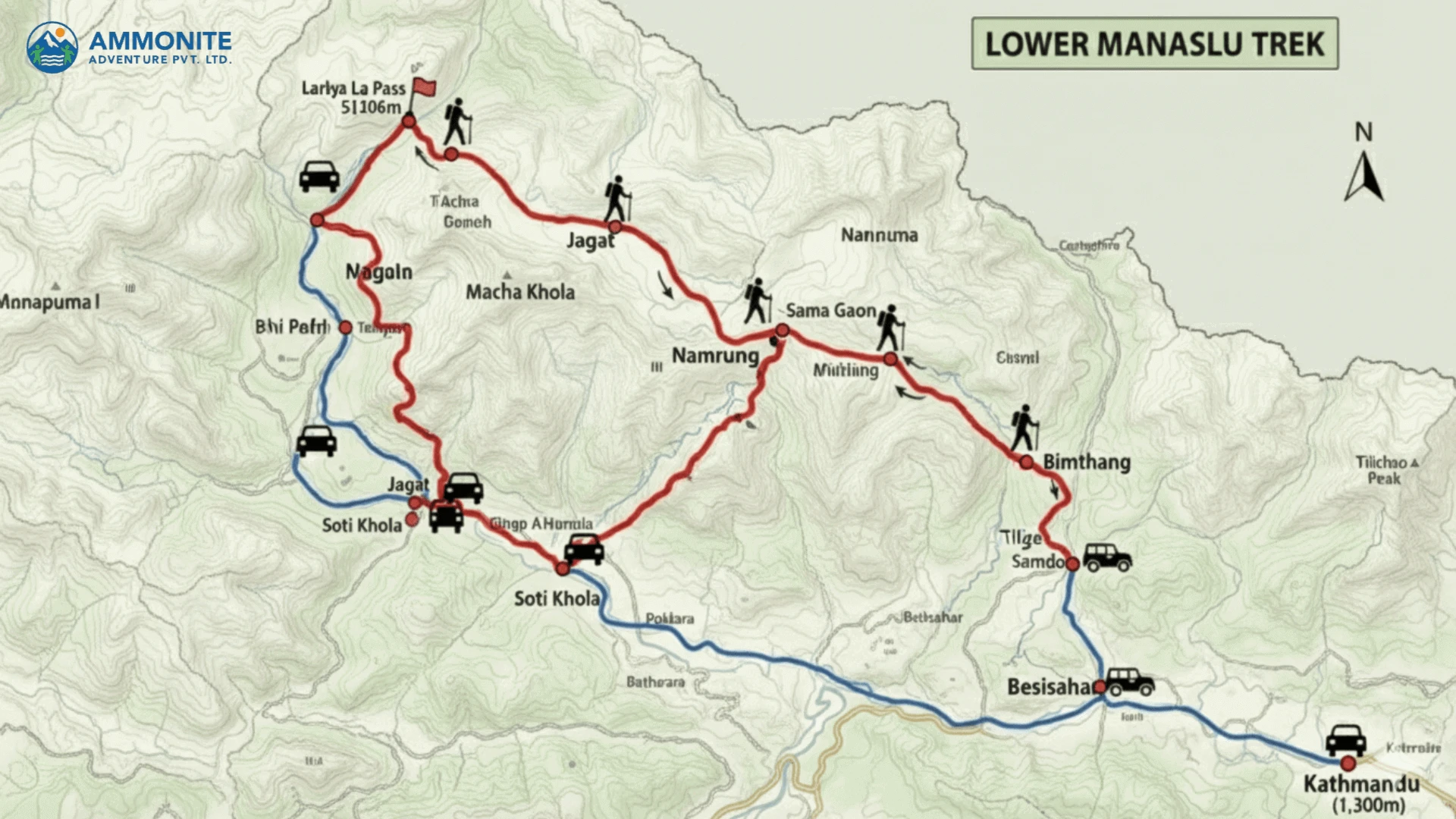
Route Map

lower Manaslu Trek map
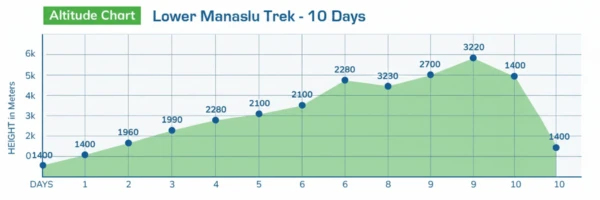
Altitude Chart
Altitude Map of Lower Manaslu Trek

What is Included?

Hotel in City

One night Twin-sharing hotel accommodation at Pokhara following the trek on a bed-and-breakfast basis.

Transportation

  • Airport Transfers: For your international and domestic flights, a round-trip transfer and pick-up are included. 
  • Trek Start: A shared vehicle transfer is scheduled from Kathmandu (1,400m) to Machhakhola (930m).
  • Trek End: A sharing vehicle transfer is also scheduled from Dharapani to Kathmandu (1,400m) or Pokhara.
  • Staff Transport: All ground transport for the guides, assistant guides, porters, and any other support staff.

Accommodations

  • Trek Accommodation: Overnight local teahouse accommodation on a twin-sharing basis. Single rooms can be arranged for a small surcharge, subject to availability.
  • Total Accommodation Nights: 11 nights of standard twin-sharing accommodation during the trek.

Food

  • Full Board Meals: Breakfast, lunch and dinner and hot drinks are provided during the entire trek. 
  • Special Inclusions: Water purification tablets for safe drinking water.
  • Total meals included: There will be a total of 10 breakfasts, 10 lunches and 10 dinners.

Guide

  • One government-licensed English-speaking guide. Assistant guides will join the group, depending on the size of the group.
  • All guide fees, food, insurance, salaries, accommodation, transport and all equipment will be covered.

Porter

  • Porters: One porter for every two trekkers. Each trekker's personal luggage weight limit is 9 kg.
  • All porter fees, food, insurance, salaries, accommodation, transport and all equipment will be covered.

Trek Permits and Expenses

  • Chumnubri Rural Municipality Fee
  • Manaslu Conservation Area Permit (MCAP)

Medical Assistance

  • Emergency Provision: Emergency oxygen and a first aid medical kit will be taken with you on the trek.
  • Rescue Arrangements: Trained rescuers will be arranged in case of emergency (included in your Trek Travel Insurance).

Souvenir

  • Goodbye Souvenirs: All participants will receive an Ammonite Adventure cap and T-shirt.
  • Completion Certificate: A completion certificate for all participants.

Gear and Trekking Equipments

  • Sleeping bags and down jackets, duffle bag (one for every two trekkers), if you do not have your own
  • Manaslu Region map.

Additional Services

  • Luggage Storage: Free and seacure luggage storage throughout the trek.
  • Full Coordination: Our full coordination team will take care of all logistics, planning, and requirements for you.

Farewell

  • A cultural farewell meal in Kathmandu at the conclusion of your journey.

What is Excluded?

International Flight

  • International flight to and from Nepal is not included.

Accommodations

  • Hotel accommodation in Kathmandu before and after the trekking starts.
  • Extra nights in Kathmandu on early arrival, late departure, or early return from the trek due to any cause.

Food

  • All meals in Kathmandu before and after the trek are at your own expense.
  • Extra meals required due to early arrival, late departure, or early return from the trek are not included.

Guide and Porter

  • Tipping for guides, porters, and local support staff is excluded and appreciated on a service basis.

Visa

  • Nepal entry visa fees (to be paid in cash upon arrival at Tribhuvan International Airport) are the traveler's responsibility.

Travel Insurance

  • Travel insurance is mandatory and must include high-altitude medical emergencies and helicopter evacuation and treatment costs.

Personal Expenses

  • Personal expenses such as snacks, beverages (alcoholic/hot/cold), hot water/boiled water, hot showers, Internet/Wi-Fi, mobile/phone calls, charging batteries, laundry, and additional porter fees.
  • Personal clothing and trekking gear.

Other Expenses

  • Charges for excess baggage (a trekker can carry only 9 kg).
  • Unforeseen additional costs due to natural calamities, adverse weather, modifications to the itinerary for safety reasons, political unrest, government policy, illness, or other unforeseen circumstances beyond our control.

Add-ons & Options

Options for Lower Manaslu Trek & Hiking

Ammonite Adventure warmly invites you to make your Lower Manaslu Trek more comfortable and enjoyable with our optional extra services. These add-ons are designed to give you an easier, more relaxed, and more personalised trekking experience based on your needs and travel style.

Porter Services

Our porter service helps you walk more comfortably by carrying your heavy bag, so you only need a small daypack for daily essentials. One porter is shared between two trekkers and can carry up to 25 kg of gear, making the trek easier and more enjoyable. The cost is USD 20 per person per day, which usually totals around USD 200 for the whole trek, depending on the itinerary length.

Convenient Transportation Options

We offer comfortable private vehicle options to make your journey smoother and less tiring.

  • Private Jeep from Kathmandu to Gorkha (Trek Starting Point) 
  • Private Jeep from Ghyampesal to Kathmandu (After Trek) 

Dates & Availability

Starts:March 01, 2026Ends:March 10, 2026
PriceUS$1075
AvailabilityGuaranteed
Starts:March 02, 2026Ends:March 11, 2026
PriceUS$1075
AvailabilityGuaranteed
Starts:March 03, 2026Ends:March 12, 2026
PriceUS$1075
AvailabilityGuaranteed
Starts:March 04, 2026Ends:March 13, 2026
PriceUS$1075
AvailabilityGuaranteed
Starts:March 05, 2026Ends:March 14, 2026
PriceUS$1075
AvailabilityGuaranteed
Starts:March 06, 2026Ends:March 15, 2026
PriceUS$1075
AvailabilityGuaranteed
Starts:March 07, 2026Ends:March 16, 2026
PriceUS$1075
AvailabilityGuaranteed
Starts:March 08, 2026Ends:March 17, 2026
PriceUS$1075
AvailabilityGuaranteed
Starts:March 09, 2026Ends:March 18, 2026
PriceUS$1075
AvailabilityGuaranteed
Starts:March 10, 2026Ends:March 19, 2026
PriceUS$1075
AvailabilityGuaranteed
Starts:March 11, 2026Ends:March 20, 2026
PriceUS$1075
AvailabilityGuaranteed
Starts:March 12, 2026Ends:March 21, 2026
PriceUS$1075
AvailabilityGuaranteed
Starts:March 13, 2026Ends:March 22, 2026
PriceUS$1075
AvailabilityGuaranteed
Starts:March 14, 2026Ends:March 23, 2026
PriceUS$1075
AvailabilityGuaranteed
Starts:March 15, 2026Ends:March 24, 2026
PriceUS$1075
AvailabilityGuaranteed
Starts:March 16, 2026Ends:March 25, 2026
PriceUS$1075
AvailabilityGuaranteed
Starts:March 17, 2026Ends:March 26, 2026
PriceUS$1075
AvailabilityGuaranteed
Starts:March 18, 2026Ends:March 27, 2026
PriceUS$1075
AvailabilityGuaranteed
Starts:March 19, 2026Ends:March 28, 2026
PriceUS$1075
AvailabilityGuaranteed
Starts:March 20, 2026Ends:March 29, 2026
PriceUS$1075
AvailabilityGuaranteed
Starts:March 21, 2026Ends:March 30, 2026
PriceUS$1075
AvailabilityGuaranteed
Starts:March 22, 2026Ends:March 31, 2026
PriceUS$1075
AvailabilityGuaranteed
Starts:March 23, 2026Ends:April 01, 2026
PriceUS$1075
AvailabilityGuaranteed
Starts:March 24, 2026Ends:April 02, 2026
PriceUS$1075
AvailabilityGuaranteed
Starts:March 25, 2026Ends:April 03, 2026
PriceUS$1075
AvailabilityGuaranteed
Starts:March 26, 2026Ends:April 04, 2026
PriceUS$1075
AvailabilityGuaranteed
Starts:March 27, 2026Ends:April 05, 2026
PriceUS$1075
AvailabilityGuaranteed
Starts:March 28, 2026Ends:April 06, 2026
PriceUS$1075
AvailabilityGuaranteed
Starts:March 29, 2026Ends:April 07, 2026
PriceUS$1075
AvailabilityGuaranteed
Starts:March 30, 2026Ends:April 08, 2026
PriceUS$1075
AvailabilityGuaranteed
Starts:March 31, 2026Ends:April 09, 2026
PriceUS$1075
AvailabilityGuaranteed

Additional Information

Permits Required 

The trek requires fewer permits as compared to what one needs for the restricted trekking route around Manaslu Circuit.

Required Permits:

Local Area Permits: Chumnubri Rural Municipality Fee

  • Trekking through the villages in the Gorkha District also needs either a
  • Costs approximately $10
  • It also supports local community empowerment.
  • Arranged through a trekking agency

Manaslu Conservation Area Permit (MCAP)

  • Foreign nationality: NPR 3,000 (about USD 23–30) per person
  • SAARC nationality: NPR 1,000 (about USD 8–10)per person. This permit is needed to enter the Manaslu Conservation Area.

Annapurna Conservation Area Permit (ACAP)

  • Foreign nationality: NPR 3,000 (about USD 23–30) per person
  • SAARC nationality: NPR 1,000 (about USD 8–10) per person This permit is required if your route goes into the Annapurna Conservation Area (for example, on route connections or exit paths).

Restricted Area Permit (RAP)

The trek does not require the expensive Restricted Area Permit that is needed for the Upper Manaslu Circuit.

Where to Obtain Permits

All the permits for this route both upper and lower, need to be obtained in Kathmandu before the trek begins. Trekking agencies handle this. They submit the passport copy, photographs, etc., to the Nepal Tourism Board office. The application processes within one to two business days. 

This trek doesn't require the costly Manaslu Restricted Area Permit like the Manaslu Circuit Trek. So it saves trekkers money.

Do You Need a Guide

This route doesn't require a licensed guide legally. That's unlike the Manaslu Circuit. But it's highly recommended to consider hiring a guide for this trek. These are off the usual trekking paths. The people there have limited knowledge of English. And there are no signboards leading the trekkers.

Difficulty Level and Who This Trek Is For

Knowing the difficulty of the trek will allow you to set your expectations accordingly.

Trek Difficulty Rating: Moderate

This trek can be characterized as moderately difficult. Some parts are quite challenging. The time taken to trek each day varies between 4 and 7 hours. This depends on each day's trekking. The trek has considerable ups and downs. This is especially true between Barpak and Laprak. No technical skills in climbing are required. But physical fitness is important.

The highest point is 3,220 meters. That's at Dharche Danda. It has minimal altitude risk to trekkers who are in good physical condition.

Expectations for Daily Walking

Expect a range of terrain. You'll walk village paths through farmland. Forest paths wind through the hillsides. There are a couple of steeper stone stairs too. And ridge walking will expose you to the elements. Elevation gain will also be experienced when walking the stretch from Sirandada to Barpak. Daily, the hike will require a gain of 400-700 meters. This is spread out over a couple of hours.

Altitude Considerations

This is Great for first-time Himalayan trekkers. So the trek climbs to lower elevations. It starts at an elevation of 1,060 metersat Gorkha. It ascends to a maximum elevation of 3,220 meters at Dharche Danda. This level isn't generally a concern. In most examples, trekkers suffer from little fever problems. But headaches may occur when the trekking site is above 2,500 meters. This is a slow ascent over several days. So you'll acclimatize effortlessly. Staying well-hydrated and maintaining a steady pace prevents problems from happening.

Fitness Requirements

You'll need reasonable overall physical fitness. If you can walk 5-6 hours in hilly places without passing out, then you're pretty much okay to trek. It's best to be in good shape before you make the trek. To prepare, go for a walk or hike. Find some stairs to climb too. Do this three times a week over the two months leading up to your trek. It's not the pace that matters. But perseverance does.

Ideal Trekkers for This Route

For trekking enthusiasts looking for something off-the-beaten-path, this trek is an ideal choice. This is a confidence-gaining route for first-time trekkers to the Himalayas. Culture lovers will appreciate spending long hours in real Gurung villages. Photographers subjects are infinite. You'll find landscapes, old buildings and village life.

For true cultural immersion away from the commercial trekking circuit, this is your adventure. The trip is also suitable for those who stand in solidarity with earthquake recovery through sustainable tourism.

How Should You Prepare for the Trek

It's a good idea to begin training for the trip 6-8 weeks before departure. Cardiovascular conditioning through walking, hiking, or biking is essential. Practice walking uphill and stairs to condition the legs for the trip. Also, make sure to break in your boots well before the trip. Familiarize yourself with Gurung culture to maximize your appreciation for the experience. Consider learning a few words of the Nepali language too.

Why Choose Lower Manaslu Trek Instead of Manaslu Circuit?

Most trekkers want to know which Manaslu trek is best for them.

Unique Cultural Experience

Lower Manaslu offers immersion in Barpak and Laprak Villages. Manaslu Circuit trek offers brief village visits with focus on high passes. This route focuses on culture rather than altitude challenges. There's a lot of time spent with local communities. You'll get to know them. And you'll contribute to the recovery effort after the earthquakes. The Manaslu Circuit Trek is a quick trek through the villages at a low altitude.

Lower Altitude, Lower Risk

Lower Manaslu: Maximum Altitude 3,220 m

Manaslu Circuit: Crosses 5,160m pass

The huge drop in max altitude would therefore put you at a much lower risk of altitude sickness. It doesn’t go over any technical passes, so it’s perfect for those worried about altitude sickness or if you’d like to see how your body reacts to a higher altitude trek.

More Affordable

You can cut the fees. Manaslu permits cost is lower (no restricted area permit needed), as well as the duration of the trip and the simplicity of logistics. Budget travelers can have a genuine Himalayan experience at half the cost of the circuit.

  • Lower Manaslu: $ 600- 900
  • Manaslu Circuit: $1200 - 1,800

 Permit fees are lower (no restricted area permit required), the duration is less, and the logistics are simple. Travelers with budget constraints can have the real Himalayan experience at half the price of the circuit.

Off the Beaten

There are very few tourists on this route. The villages of Barpak and Laprak do not get many tourists except during peak seasons. In this trek, one gets to experience real hospitality and culture without the influence of tourist infrastructure. The Manaslu Circuit Trek gets many tourists during the peak seasons.

Supporting Community Recovery

Trekking through this area actually helps the local communities rebuild after the earthquake of 2015. Tourism plays a significant role in contributing to the economic stability of a region. It provides a source of income through visits such as this one.

Trade-offs to Consider

The Manaslu Circuit will provide you with the experience of crossing a high pass. But if you prefer to have a rich cultural experience, this trek is better. It's ideal if you want to stay in genuine villages. You'll need a good level of fitness. And you'll support earthquake relief. It provides exceptional value.

Experience the Hidden Beauty of Lower Manaslu Trek

Lower Manaslu Trek is purely an off-the-beaten-path adventure. You'll find stunning landscapes, lovely villages, glorious mountains and very welcoming locals.

Best For: Beginning trekkers. Those interested in the culture. And travelers with only one week off the beaten path.

During the trek, you'll visit the interesting Barpak and Laprak villages. You'll enjoy sweeping panoramic vistas of impressive mountain ranges from the Dharche Danda viewpoint. And you'll feel that you've contributed to communities that are getting back on their feet after the earthquake.

Want to Have a Go? Want to experience this concealed aspect of Nepal? Get in touch with us to make an ideal Lower Manaslu Trek for you. We'll look after everything for you. Just sit back and enjoy the journey.

Equipments

Proper equipment enhances safety and comfort on the trek. Below are some recommended, what to pack during the trek.

Head

  • Sun hat/cap for daytime 
  • Warm wool/fleece hat for morning and evening 
  • Headlamp with spare bulbs/batteries (very useful for starting early and when there is no light) 
  • Sunglasses (with UV protection) 
  • Buff/scarf to protect from dust and the cold 

Upper Body

  • Lightweight t-shirts/quick-drying shirts (2-3) 
  • Fleece/warm jacket 
  • Waterproof, windproof jacket 
  • Thermal base layers for cold nights 
  • Down jacket (recommended for high altitudes)

Hands

  • Light gloves for daytime hiking
  • Insulated gloves for cold mornings and higher elevations
  • Waterproof gloves if available​Lower Body
  • Hiking pants (2 pairs)
  • Thermal leggings/long underwear for cold days
  • Comfortable shorts for lower elevation (optional)
  • Waterproof over pants for rain.

Lower Body

  • Hiking pants (2 pairs)
  • Thermal leggings/long underwear for cold days
  • Comfortable shorts for lower elevation (optional)
  • Waterproof over pants for rain.

Feet

  • Hiking boots (broken in)
  • Comfortable camp shoes or sandals
  • Warm socks (2 or three pairs).
  • Lightweight hiking socks (2 pairs).
  • Gaiters (optional; they're nice to have when you're hiking through snow or muddy trails).

Toiletries

  • Toothbrush and toothpaste
  • Quick dry towel
  • Sunscreen (high SPF)
  • Lip balm (with SPF)
  • Soap and shampoo (small size bottle)
  • Toilet paper or tissues
  • Tand sanitizer
  • Nail clippers and a small mirror
  • Regular personal medications
  • Wet wipes (good when showers aren't an option)

Backpacks

  • Large duffle bag (shared space with your partner)
  • A day backpack (25-35 Litres) (for your daily water, snacks, and layers)
  • Rain cover for your pack
  • Packing cubes or large plastic bags to organize your gear and keep it dry.

Accessories

  • Water bottles (capacity of at least 2 liters) or hydration bladder
  • Water purification tablets or filters are recommended.
  • Trekking poles (highly recommended)
  • Power bank
  • Travel adapter
  • Notebook and pen (optional for journaling)
  • Snacks and energy bars are highly recommended.

Extra Items

  • Light book or card game to kill time
  • Safety pins and a small sewing kit
  • Ziplock bags to protect electronics
  • Passport-size photos (2) and/or a copy of your passport (in case we need to obtain permits, etc.)

We provide a (used, non-waterproof) duffle bag, a (used) down jacket, and a (used) sleeping bag for use if you do not have your primary gear.

Speak to an Expert