What makes trekking to the Kanchenjunga Circuit special
The adventurous rambling to the Kanchenjunga Circuit is a special and memorable experience of a lifetime, offering a not-to-miss opportunity to immerse oneself in the raw beauty and spiritual grandeur of the Kanchenjunga Trekking region, which once did not allow visitors at all until 1980, when the third highest peak in the earth, Mt. Kanchenjunga (8,586 m), was thought to be the tallest mountain range in the world up until mid 1800.
Today, the adventurous land of the Kanchenjunga comes under the Kanchenjunga Conservation Area. It requires a special permit card to venture around the realm, owning several highly restricted valleys and traditional villages sharing borders with Tibet and India, which all come together to make the trekking trail extremely special, promising you:
The awe-inspiring mountain views
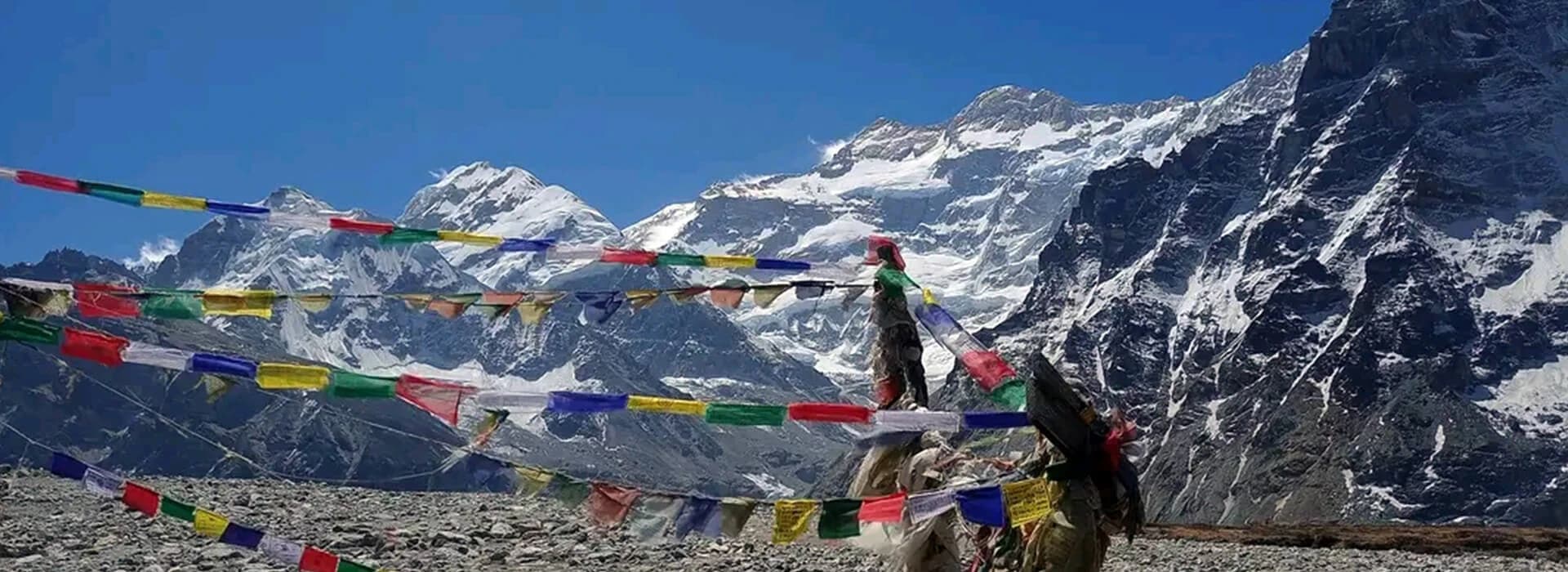
The Kanchenjunga Circuit Trek offers unmatchable views of several majestic peaks, including Jannu Himal (7,710 m), locally known as Kumbhakarna, Kabru (7,412 m), Rathong, and others, while the third highest mountain in the globe, Mt. Kanchenjunga (8,586 m), dominates the horizon.
These snow-capped summits piercing the clouds look more graceful from several vantage points in the Kanchenjunga Trekking region, including Pangpema (the North Base Camp) and Ramche (the South Base Camp), raising dramatic sights to come across, especially during sunrise and sunset, which also offer incredible glimpses of various glacial lakes and valleys amidst the glorifying peaks reflecting in the turquoise water.
Trekkers are bound to be captivated by these alpine landscapes, creating unforgettable memories of moments of tranquility, reflection, and photography opportunities amidst the rugged beauty of the Himalayas during the journey to the Kanchenjunga Circuit.
The precious village of Kanchenjunga: Yamphuding
Yamhuding is the largest Tamang village where you spend overnight on the way to the Kanchenjunga Circuit trekking. It is noted for its traditional Tibetan stone houses, terraced farms, and vibrant Tibetan Buddhism culture. On the way to this specific village you can visit numerous centuries-old monasteries, Mani Walls, and Chortens at a higher altitude of 1,980 m (6,496 ft) above sea level.
Further, the village of Yamphuding is set in the natural awe of the Kanchenjunga Himalayas amidst the serene surroundings with panoramic views of snow-clad peaks, pristine glacial lakes, and dense forests in closer proximity to the Tibetan border, which is one of the leading causes of the whole Kanchenjunga being designated as the restricted zone of Nepal.
From the village, trekkers can embark on day hikes to nearby viewpoints or the village itself, which has a unique cultural and traditional charm and is one of the most popular stopovers for trekkers and travelers journeying to the Kanchenjunga Himalayas.
Unwind yourself in the flawless rich cultural heritage of the Kanchenjunga Trekking region
Along the trekking route leading to the Kanchenjunga Conservation Area to circumnavigate the circuit of Mount Kanchenjunga, numerous indigenous communities of Nepal exist, such as Rai, Limbu, Sherpa, and Tibetan people possessing distinctive ways of life, culture, traditions, and costumes who love celebrating every small to big event of life as a festival, such as Lhosar (the Tibetan Lunar New Year), Dashain, Tihar, Budha Jyanati, and many others, providing insight into the simpler yet enriching life of the mountainous locals.
These celebrations are held at a specific time of the year that you can also get to be part of if your trekking to Kanchenjunga coincides with one of the local festivals and ceremonies celebrated with great fervor when the region’s ancient monasteries, gompas, and chhortens are decorated with vibrant prayer flags, sometimes with flowers as well, creating an otherworldly ambiance fantastic for a spiritual awakening in the aromatic Himalayan town.
Spare some time to visit these cultural and religious monuments of the Kanchenjunga. To marvel at the intricate artwork, murals, and statues of Buddhist deities and symbols, along with a sampling of some of the special festively dedicated local cuisines, Kanchejunge is worth a visit.
The True Himalayan Expedition
The trekking Himalayan journey to Kanchenjunga is to one of the most remote and least tourist-frequented zones of Nepal, which further belongs to the restricted area of the country to preserve the regional true beauty of culture, heritage, and nature that you will get to explore in the 22-day trip to the Kanchenjunga Circuit, which might have long lost some of the widely popular trekking trails of Nepal such as the Everest Base Camp Voyage, Annapurna Circuit Odyssey, and others.
In addition, the Kanchenjunga region holds significant spiritual importance for the local communities, who consider the mountains and whole nature to be sacred and imbued with mystical energy, giving 100% effort to conserve its tranquility, and hence has retained its sense of solitude, providing its trekkers with a profound sense of awe, which has named it the real Himalayan expedition for having combined remote wilderness, jaw-dropping mountain scenery, and challenging terrain.
Demanding and thrilling terrain to the north and south base camp of Kanchenjunga
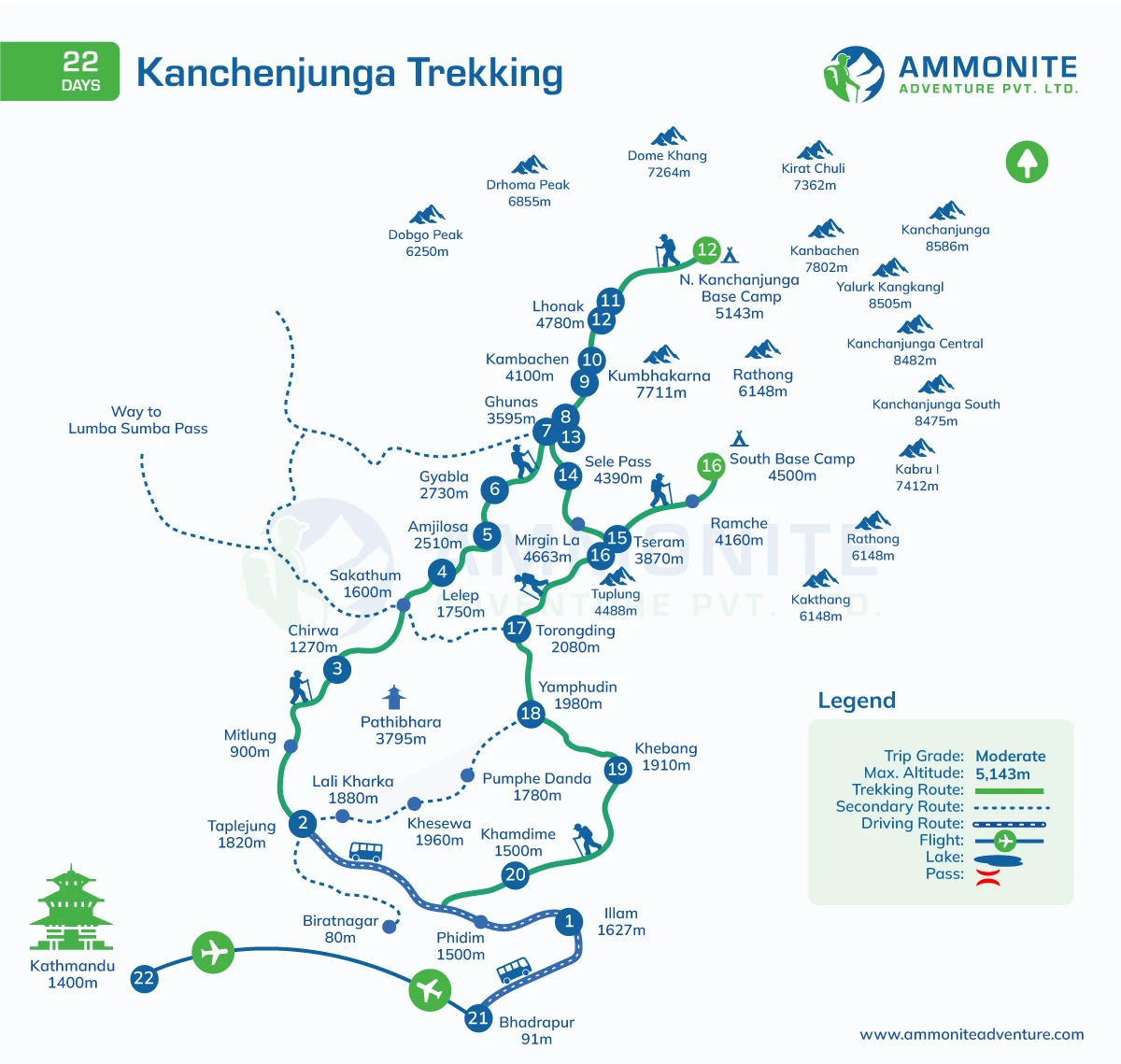
Yes, what makes the Kanchenjunga Circuit trekking route stand out among thousands of Nepalese Himalayan Trails is the visit to not only one but both of the base camps of Mount Kanchenjunga, called the North Base Camp (Pangpema) at an altitude of 5,413 m/16,870 ft above sea level, and the South Base Camp, locally named Yalung Base Camp at 4,700 m/15,420 ft, offering intimate exposure to the northern and southern faces of the Kanchenjunga Peaks, respectively.
Hiking to these base camps of Kanchenjunga involves traversing through varying terrains through alpine meadows and lush forests, which might be covered in snow during winter, alongside the rocky moraines passing by rural and inhabited areas, granting a great sense of isolation and adventure while you will have to make your way through steep ascents and descents.
Therefore, trekkers and travelers are expected to acquire some advanced physical and mental preparedness to meet the requirements for this part of the Kanchenjunga trekking, which is an exceptionally rewarding track on making it to the lap of the majestic Kanchenjunga Peak, providing everlasting views of the towering mountain summits in the pristine natural beauty surrounding you from everywhere.
When is the best time to the do Kanchenjunga Trek
The post-monsoon and pre-monsoon seasons, i.e., the autumn and spring seasons, are unrivalled times of the year to visit the Kanchenjunga trekking region of Nepal for either reason, including hiking, mountaineering, or taking yourself on a cultural odyssey. However, this remote trek goes above 5,000 m, so conditions can vary greatly between the two trekking seasons.
Peak Seasonal Comparison
|
Trekking Season
|
Pros |
Cons |
|
Spring(March–May)
|
• Warmer daytime temperatures (15°C to 21°C in lower zones).
• Lush trails with blooming rhododendron and wildflowers.
• High chance of spotting wildlife like the Red Panda.
|
• Afternoon clouds can occasionally obscure distant mountain views.
• Early March still carries residual winter snow at high passes.
|
|
Autumn(September–November)
|
• The most stable, predictable weather patterns of the year.
• Crystal-clear blue skies and unbeatable photographic visibility.
• Aligned with major Nepali festivals like Dashain and Tihar.
|
• Sub-zero nighttime temperatures (-10°C to -17°C at higher elevations).
• Early September can experience lingering monsoon rain and clouds.
|
What are the permits required for the Kanchenjunga trekking
Permits Required for Kanchenjunga Trek
The Kanchenjunga Circuit Trek passes through a restricted border area near Tibet and Sikkim, so special permits are required for all trekkers.
1. Kanchenjunga Restricted Area Permit (RAP)
The RAP is mandatory for this trek. It must be arranged through a registered trekking agency, and you must trek with a licensed guide. The permit costs USD 20 per person per week for the first four weeks.
2. Kanchenjunga Conservation Area Permit (KCAP)
The KCAP is required to enter the Kanchenjunga Conservation Area. It costs NPR 2,000 per person and helps support conservation and local communities.
3. TIMS Card
A TIMS Card is usually not required for the Kanchenjunga Trek because the Restricted Area Permit already serves as the main tracking document.
Documents Needed
- Passport (valid for at least 6 months)
- Nepal tourist visa
- Passport-size photos
- Travel insurance with helicopter evacuation coverage
Having these permits and documents ready will ensure a smooth and legal trekking experience in the Kanchenjunga region.
Difficulty Level & Fitness Requirements
The Kanchenjunga Circuit Trek is a challenging 22-day adventure best suited for experienced trekkers. The route involves long daily walks of 6–8 hours, steep ascents and descents, rugged terrain, and remote mountain trails with limited facilities.
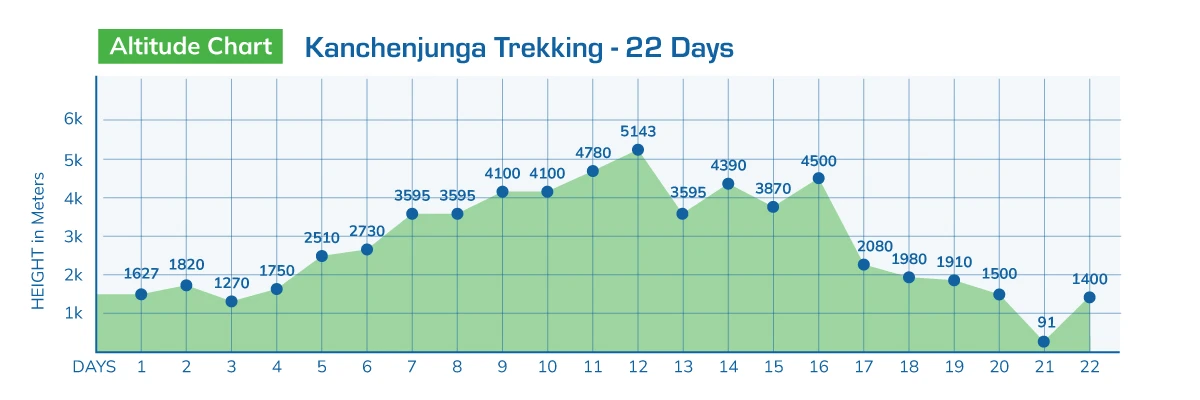
One of the biggest challenges is the high altitude. The trek reaches Pangpema (North Base Camp) at 5,143 m, where lower oxygen levels can increase the risk of altitude sickness. Proper acclimatization, a gradual ascent, and trekking with an experienced guide are essential for safety.
Who is it for?
- Trekkers with good fitness and previous hiking experience
- Adventurers comfortable with long days and remote conditions
Who should avoid it?
- Complete beginners with no trekking experience
- People with serious health conditions that may be affected by high altitude
With proper preparation, fitness training, and acclimatization, the Kanchenjunga Circuit Trek offers a rewarding Himalayan experience for those seeking a true wilderness adventure.
Accommodation & Food on the Trek
The Kanchenjunga Circuit Trek offers simple, rustic teahouse stays run by local families. Unlike popular routes like Everest or Annapurna, facilities here are basic, reflecting the remote and wild nature of the region.
Teahouse Conditions
- Simple twin rooms with beds, foam mattresses, and basic blankets
- Usually unheated with thin walls, so nights can be cold
- Shared toilets are standard; squat toilets are common at higher altitudes
- Hot showers, Wi-Fi, and charging are available only in lower villages and cost extra
Food on the Trail
- Main meal is Dal Bhat (rice, lentils, vegetables) with free refills
- Other options: noodles, fried rice, momos, and Tibetan bread
- Meat is limited and not always safe due to lack of refrigeration
- Safe drinking water should be treated with filters or purification tablets
High-Altitude Reality (Above 4,000 m)
- Food choices become very limited (no fresh vegetables)
- Meals mainly include soups, potatoes, and noodles
- Prices increase due to transport difficulty
- Basic comforts like hot water and toilet facilities are minimal
Overall, expect simple living conditions but warm local hospitality throughout the trek.
Altitude Sickness & Safety Tips
The Kanchenjunga Circuit Trek reaches extreme altitude, including Sele La Pass (4,390 m) and Pangpema Base Camp (5,143 m). At these heights, oxygen levels are nearly half compared to sea level, increasing the risk of Acute Mountain Sickness (AMS) and other serious conditions.
Acclimatization Strategy
- Follow the 300–500 m rule: do not increase sleeping altitude too quickly above 3,000m
- Take rest days at key stops like Ghunsa (3,595m) and Kambachen (4,100m)
- Use “climb high, sleep low” to help your body adapt safely
Health & Safety Tips
- Drink 3–5 liters of water daily to stay hydrated
- Eat high-energy, carbohydrate-rich foods like Dal Bhat
- Avoid alcohol and sleeping pills, as they affect breathing at high altitude
Why You Need a Guide & Porter
For the Kanchenjunga Circuit Trek, hiring a licensed guide is mandatory by law because it is a restricted area. You must also book through a registered agency, as independent trekking is not allowed.
Role of a Guide
- Required for permit approval and legal entry
- Helps navigate remote and poorly marked trails
- Assists with language, culture, and local communication
- Monitors safety and altitude sickness symptoms
Role of a Porter
- Carries your heavy backpack (15–20 kg)
- Reduces fatigue and helps prevent altitude strain
- Lets you focus on walking, breathing, and acclimatization
Safety Importance
- In remote areas with no phone signal or nearby rescue access, a guide is your main safety support and emergency contact.
Overall, guides and porters make the trek safer, easier, and more enjoyable.
Who can go trekking to Kanchenjunga
The mountainous pilgrimage to Kanchenjunga is preferred by most adventurers, as it can be achieved successfully by any healthy individual with a good level of fitness, with or without experience.
The trekking expedition to Kanchenjunga, in fact, is one of the few long journeys to the Himalayas that is suitable for a wide range of travelers and trekkers, catering to the interests of every individual with a moderate to high level of physical fitness.
You might even involve family members from each age group who are ready for the experience after having maintained themselves for the trek to Kanchenjunga, where Ammonite Adventure guarantees a fixed departure trip for 2026 and 2027, which is guaranteed to be conquered by following the footsteps of the professional guides and porters.
Trekking group/single
Kanchenjunga Trekking is available as a private and group adventure, whether you are traveling alone or in a group. If you are able to go with your group, then you can take advantage of the great group discounts, which increase with the size of the group. These group discounts are not applicable when Ammonite Adventure organizes the group.
Regardless of the number, we can manage any group, and for a group of 12 or more trekkers, there will be an assistant guide. We will provide you with a porter for each pair of trekkers, and trekkers will be restricted to 9 kg luggage only.
Extra Personal expenses on trekking
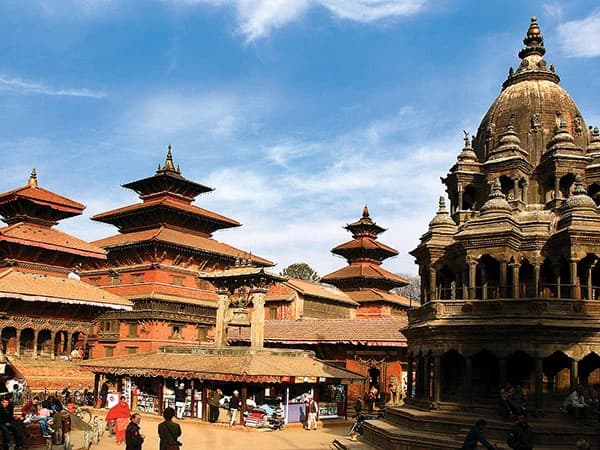
Most of the costs related to the Kanchenjunga Trekking package are paid for. We cover most of the costs; however, there are some costs that we don't. For instance, meals and accommodation in Kathmandu are the sole responsibility of our clients. There is a hotel/lodge for any standard and budget, luxury, and in Kathmandu, and clients can book it online.
Every one of our clients should have some money for accommodation and meals in Kathmandu, visa process, purchase of travel insurance policy, snacks and hot (tea/coffee) and cold drinks, tips for the crew members, souvenirs, etc. We suggest bringing cash (major currencies). The currency can only be exchanged in Kathmandu or in Nepal for Nepali Rupees. The trekking regions will not accept foreign currency.
Ammonite Adventure Crew
On your 22-day Kanchenjunga Trek, our licensed guides and local Sherpas will take care of you hand-in-hand. We provide one porter to carry your equipment, and two trekkers share one porter who takes no more than 18 kg. We can arrange a single porter per person if you want a personal porter.
All our crew members are locals from the Himalayan region; they have natural high-altitude adaptations. We pay them fairly and take care of their insurance, food, clothing, lodging, and medical. Also, they receive medical support in order to be in good health and thus, be able to provide you with the best service during your trek.
Our hiking leaders have:
- Wilderness First Aid training
- Government-certified trekking qualifications
- Fluency in English and other languages
- Knowledge of conservation and biodiversity
- Storytelling skills to share local culture and history
- Strong communication and facilitation skills
- Problem-solving ability under pressure
- Organisational and logistical planning skills
- A good sense of humor for a positive experience
- Sensitivity to client needs
- Commitment to sustainable and responsible tourism
Booking and Payment Process
Ammonite Adventure is a trekking company that is fully licensed by the Nepal Government, is a member of the Trekking Agency Association of Nepal (TAAN) as well as the Nepal Mountaineering Association (NMA), so, in short, it is totally safe to book with us. In order to guarantee the journey, a 10% down payment can be made by bank transfer, Western Union, or even online.
Balance payment can be made in Nepal with local currency, debit or credit card, or through a bank negotiable. After you have completed the booking, we will require a scan of your passport, which may also include photos of children, location photos, travel security, and flight details, as an email within a week.
Final Thoughts: Is Kanchenjunga Trek Worth It
The Kanchenjunga Circuit Trek is absolutely worth it for trekkers seeking a remote, challenging, and less-crowded Himalayan adventure. It offers a true wilderness experience with both North and South Base Camps, high passes, and authentic mountain culture far from commercial routes.
Simple Planning Steps
- Step 1: Book through a registered trekking agency in Nepal
- Step 2: Let the agency arrange permits (RAP + KCAP) and guide/porter
- Step 3: Confirm your itinerary and prepare early, as advance booking is required
Most logistics, including permit arrangement and guide booking, are handled by the agency due to restricted area rules.
Why It Stands Out
- One of Nepal’s most remote and untouched trekking routes
- Full Kanchenjunga Circuit experience (North + South Base Camps)
- Combines isolation, culture, and high-altitude adventure
Last-minute booking
We are still open to taking last-minute bookings for the Kanchenjunga Trekking, though. Full payment should be made 24 hours before the start of the trek if you want to take this route. However, last-minute bookings might be impacted by flight and weather restrictions. Additionally, because Kanchenjunga is a remote, restricted region, short-notice arrangements face risks of Department of Immigration permit processing delays and limited licensed guide availability. We recommend checking real-time route and trek availability with us before confirming.