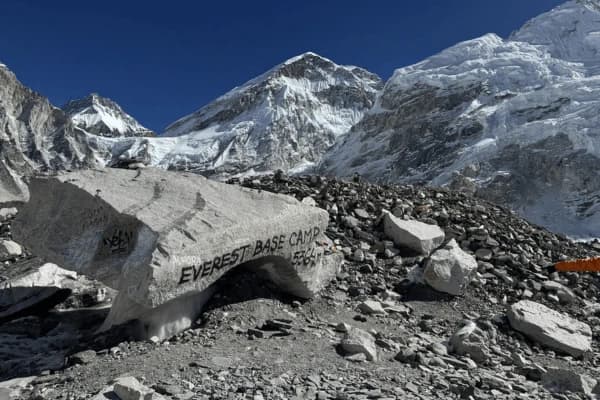
Overview of the Everest Region
The Everest Region of northeastern Nepal is located in the Khumbu Valley, which is home to the world's tallest mountain, Mount Everest, which reaches 8,849 meters high. The trekkers to the Everest Region generally begin their trek at Lukla, which is the main airport of the region. The treks begin from Lukla and lead through the Sherpa homeland and the most scenic mountain landscapes.
The entire range of the Everest Region is located within the Sagarmatha National Park, a UNESCO World Heritage site, and is home to 1,148 square kilometers of untouched natural beauty. The bottom of the park is located at 2,800 meters at Lukla, while the top of the park is located at over 8,000 meters. The range of elevations within the park creates a variety of different ecosystems, including rhododendron forests and snowfields.
The Sherpa people live within the Everest Region and create a unique way of life and culture that is experienced within the Khumbu Region through their continuation of the Buddhist religion and their climbing abilities. You can see prayer flags flying high in the wind along the trails, and monasteries have been built on top of the hills. In addition, tea houses along the trail treat visitors to amazing hospitality.
Visitors from all over the world come to the Everest Region of Nepal for Everest Base Camp trek, to view the sunrise from some of the most famous viewpoints, and to experience the high altitude of the region. The combination of the beauty and the rich culture of the region creates a very special place to visit.
Best Treks in the Everest Region
We're fortunate to have many amazing treks in the Khumbu region of Nepal. Each of these treks has its own charm and attractions. We've done them all, and we're ready to help you plan your perfect trek.
Some of these treks will take you to iconic destinations such as Everest Base Camp. Other treks will take you to serene turquoise-colored lakes or mountain passes.
|
Trek Name
|
Duration |
Difficulty Level
|
Max Altitude
|
Best For
|
|
Everest Base Camp Trek
|
12 to 14 days
|
Moderate |
5,364 m at EBC
|
First time Everest trekkers, bucket list
|
|
Gokyo Lakes Trek
|
12 to 14 days
|
Moderate |
5,357 m at Gokyo Ri
|
Scenic lovers, photographers, quieter trails
|
|
Everest Three Passes Trek
|
18 to 21 days
|
Challenging |
5,545 m at Kala Patthar
|
Experienced trekkers, adventure seekers
|
|
Everest View Trek
|
5 to 7 days
|
Easy to Moderate
|
3,880 m at Hotel Everest View
|
Short time travelers, beginners, families |
Everest Base Camp Trek
This is a popular route that allows you to see the base of the world's tallest mountain. On this route, you'll pass through Sherpa villages, suspension bridges, and climb as high as 5,364 meters. It's a wonderful experience with amazing views. With proper acclimatization, it normally takes 12-14 days to finish the trek.
This route is perfect for those who want to see Mount Everest. It doesn't require any technical knowledge. All you need is a good fitness level and determination. At base camp, the feeling of achievement is absolutely amazing. You'll understand why people travel halfway around the world at this moment.
Gokyo Lakes Trek
The Gokyo Valley offers a series of pristine turquoise-colored lakes. This route is less touristy compared to the Everest Base Camp. On this route, you'll climb Gokyo Ri, offering 360-degree views of four 8,000-meter peaks, including Everest, Lhotse, Makalu, and Cho Oyu.
This route is perfect for photographers. The lakes offer perfect reflections of the surrounding mountains, plus wildlife spotting is also possible. In this serene environment, you'll find it easy to truly connect with nature. For a detailed itinerary, click here for the day-to-day details of our Gokyo Lake Treks.
Everest Three Passes Trek
Everest Three Passes Trek is a challenging trekking route through the Everest region, passing through three high-altitude passes: Kongma La, Cho La, and Renjo La. This trek route allows you to see the entire Khumbu region from all sides. Also, the route combines
Everest Base Camp and Gokyo Valley
The Everest Three Passes Trek is suitable only for experienced trekkers. So you'll need good physical fitness and prior high-altitude trekking experience. The trek offers a variety of scenic views, fewer crowds, and a sense of adventure. On this route, you'll spend around 18-21 days trekking.
Everest View Trek
Are you short of time but want to see the majestic Everest? The Everest View Trek is the best trek for you. The trek route will take you to the famous Hotel Everest View at an altitude of 3,880 meters within just 5-7 days.
Everest View Trek is suitable for family trips, novice trekkers, and those with limited vacation time. The trek route offers a glimpse of Sherpa cultureand scenic views. At these lower altitudes, you'll find the trek more comfortable than the higher routes. Read more about Everest View Trek Itinerary for full details and day by day plan.
Trekking Costs in the Everest Region
Preparing your budget is a vital part of preparing for your trek. We want to provide you with a realistic idea of what it'll cost, allowing you to make the necessary preparations. In the mountains, prices will be higher than what you'll encounter in Kathmandu, as everything has to be carried in by porter or flown in by helicopter. You'll notice this especially with bottled drinks and snacks they get pricier the higher you climb. It's good to note that prices may vary a little from season to season, depending on the fuel prices and the state of the economy.
| Expense |
Cost Range in NPR and USD
|
Notes |
|
Sagarmatha National Park Entry Permit
|
NPR 3,000 or USD 23
|
Mandatory for all trekkers
|
|
Khumbu Pasang Lhamu Rural Municipality Permit
|
NPR 2,000 or USD 15
|
Obtainable in Lukla or Monjo
|
|
Flight to Lukla from Kathmandu
|
NPR 18,000 to NPR 25,000 or USD 135 to USD 188
|
Weather dependent, check Ramechhap flights if needed
|
|
Guide Costs
|
NPR 3,000 to NPR 4,000 per day or USD 23 to USD 30 per day
|
Mandatory guide for foreign trekkers
|
|
Porter Costs
|
NPR 2,000 to NPR 3,000 per day or USD 15 to USD 23 per day
|
Optional but recommended
|
|
Food and Accommodation per day
|
NPR 3,000 to NPR 5,000 or USD 23 to USD 38
|
Tea houses, prices rise with altitude
|
|
Insurance and Emergency Coverage
|
NPR 5,000 to NPR 15,000 or USD 38 to USD 113
|
Strongly recommended for altitude and evacuation coverage
|
Permit Fees
There are two permits that are required. The Sagarmatha National Park entrance permit will cost you NPR 3,000 if you're a foreigner. Also, the Khumbu Pasang Lhamu Rural Municipality permit will cost you NPR 2,000. You can obtain these in Kathmandu or on the trail in Monjo.
Flight Costs
The flight from Kathmandu to Lukla will vary in price. In the peak season, you'll be charged NPR 25,000 or more. But if you're visiting during the off-season, you may be charged less. There may also be flight delays due to weather conditions it's just part of the adventure.
Guide and Porter Fees
As guides are mandatory, you'll need to hire them, and you'll also need to pay their fees. A licensed guide will cost you between NPR 3,000 and NPR 4,000 on a daily basis. Plus, you'll also need to hire porters, and they'll cost you between NPR 2,000 and NPR 3,000 on a daily basis.
Daily Expenses
This will cover your expenses on meals and lodging in tea houses. You'll need to pay NPR 500 to NPR 1,000 for a bed in tea houses, depending on your location. At higher locations, you'll need to pay double. Also, you'll need to spend money on your meals, and they'll cost you between NPR 500 and NPR 1,500.
So it's important that you carry enough money, as you won't be able to withdraw money from an ATM if they're not available past Namche Bazaar. You can also use your credit cards, but you'll be charged high fees. We therefore recommend that you carry USD or NPR in small denominations. You'll thank yourself later when you need to pay for that hot tea at a high-altitude lodge. We explain this in detail in our Everest trek cost breakdown guide.
Flights and Logistics
It's important to plan your trip to the Everest region. We'll take you through the process step by step so that you're comfortable and ready for your trip.
Lukla Flight Process
To reach Lukla, you'll have to go through a thrilling flight process. The Lukla airport is located at a height of 2,845 meters and is built on a mountain slope. The runway is just 527 meters long. Plus, the pilots require special training to land at Lukla airport; it's considered one of the world's most challenging airports.
You should book your flights well in advance during peak seasons. The airlines operating flights to Lukla are Tara Air, Summit Air, and Sita Air. The weight limit is very strict. You're allowed to carry only 15 kilograms of luggage and a small bag. So, pack wisely and leave your unnecessary items in Kathmandu.
The flight operates only during good weather conditions. In the mornings, the best time to fly is early, as clouds form in the afternoons. Be prepared for any delay or cancellation of the flight. This will require you to add a day or two to your schedule, but you'll be able to manage the situation without any hassle. Flights are weather-dependent, as explained in our Lukla flight guide.
During peak seasons, the flights operate from Ramechhap instead of Kathmandu. You'll have to reach Ramechhap the night before the flight. The journey from Kathmandu to Ramechhap takes four or five hours. So your trekking company will arrange the transport.
Hiring a Guide
Having a guide will make your journey safer and more enjoyable. A licensed guide is trained in first aid, altitude sickness, and mountain rescue. Plus, guides know the trails, weather, and best tea houses.
Your guide will be a bridge between cultures. A guide will explain Sherpa culture, translate languages, and assist you in making positive interactions with locals. On the trail, you'll discover that many guides have successfully climbed Mt. Everest or have experience working on mountain climbing expeditions.
Guides can be found through registered trekking agencies. A guide will be certified, insured, and have safety gear.
Culture and Local Life in the Everest Region
The Khumbu region isn't only about mountains; there's also Sherpa culture and tradition. So to get the most out of your experience, learn and respect the culture and traditions of the region.
Sherpa Heritage
The Sherpa people came to Nepal from Tibet about 500 years ago. They learned to thrive in extreme altitudes. Sherpa means people who come from the east. Today, Sherpas are recognized around the world for their expertise in climbing mountains and their hospitality.
The Sherpa people run most of the tea houses on the trekking routes. They invite visitors into their homes and serve them food prepared in their kitchens. This is what makes the experience of trekking in the Khumbu region so unique you're not just passing through; you're welcomed in.
Buddhist Monasteries
Beautiful monasteries can be seen in various locations. The most famous is Tengboche Monastery. At 3,867 meters, it's located with spectacular views of Mount Everest. Every day, monks offer prayers. Visitors can watch, provided they show proper decorum. It's necessary to remove shoes before entering. Also, it's important to go around the prayer wheels and stupas in a clockwise direction. Permission should be taken before clicking photographs. And it's also important to be well-dressed.
Some of the other important monasteries include Pangboche, Thame, and Khumjung. Each of these monasteries has a unique architectural style. Plus, some of these monasteries have ancient artifacts and manuscripts.
Prayer Flags and Mani Walls
The prayer flags are colorful. They can be seen across mountain passes as well as on bridges. There are five colors, which symbolize the five elements. Blue represents the sky, white represents air, red represents fire, green represents water, and yellow represents earth. The wind blows these flags with prayers towards the heavens.
It is said that these prayers, which are written on these flags, reach the heavens. Mani walls can be seen on the trails. It is a wall made of stones with Buddhist mantras carved on them. It is essential to pass these walls on the left side. Spinning these prayer wheels sends out positive vibes into the world.
Tea House Culture
Tea houses are community centers. You dine with other trekkers from all over the world. There are stories and jokes around the fire. There is something about the fire that makes everyone feel comfortable.
Meals are simple and filling. Dal bhat, a dish made from rice and lentils, is the fuel for all trekkers in Nepal. Sherpa stew, momos, and fried rice are popular dishes. Milk tea and butter tea warm cold bodies.
The tea house owners work extremely hard. They work at high altitude. Appreciation in the form of tips and behavior is essential.
Best Time to Visit the Everest Region
The timing of your trek is a factor that will greatly influence your experience, as the conditions will vary from season to season. We will assist you in selecting the appropriate season for your purpose.
Spring Season from March to May
The season of spring is one of the two best seasons for trekking to Mount Everest. It is a season of warming temperatures, following the winter season. It is pleasant during the day and cold at night, but not unbearably so. The rhododendron flowers will be out in the lower forests, displaying their beautiful red, pink, and white hues.
The views are great on most days. You can see the peaks. It is busy because trekkers come to trek. It is a great social scene for some trekkers. May is the month for climbing expeditions to Mount Everest. Base Camp: The climbers prepare before climbing to the top. The experience is great.
Autumn Season – From September to November
This is the most popular season for trekking. After the monsoon rains, the skies are crystal clear. The view of the mountains is breathtaking. The weather is pleasant during the day. Nights are quite chilly. This season has the largest number of trekkers. Book your flights and accommodations well in advance. This season has the most festive atmosphere. You will meet people from all over the world.
This season has festivals like Dashain and Tihar. You may even get to see Sherpa festivals.
Winter Season from December to February
The winter season is characterized by extreme cold and snowfall. Only experienced trekkers can attempt a trek during this season. The temperature dips to below freezing at night. The high passes can be dangerous and impassable at times.
However, there is a bonus to trekking in the winter season. The routes are not crowded, and you can have more solitude. The skies are clear and blue, and the snow-capped mountains look white and pristine. If you can withstand the cold, then trekking in the winter season is a real treat.
There is a problem of tea house availability in the remote villages. The best option is to stick to the popular routes such as the Everest Base Camp route, which is open throughout the year.
Monsoon Season from June to August
The monsoon season in Nepal is from June to August. Monsoons bring heavy rainfall to Nepal. The trails will be muddy and slippery. Leeches will also appear in the forests. Clouds will cover the views of the mountains. This is the season to avoid.
The Khumbu region is in a rain shadow. Therefore, it will receive less rain during the monsoon compared to other areas of Nepal. During the monsoon, there are adventurous travellers who go to the Khumbu. You will have the trails to yourself. Prices will also come down by a significant margin.
If you plan to visit the Khumbu region during the monsoons, make sure you carry good rain gear. Also, be prepared for flight cancellations to Lukla. For detailed monthly weather, see our best time for Everest Base Camp trek guide.
Essential Trekking Tips for Health, Gear and Safety
It is essential to plan well for a successful and enjoyable trekking trip. We have learned these from our experiences. Follow these essential trekking tips to ensure a successful and enjoyable trip.
Understanding Altitude Sickness
When you go above 3,000 meters, altitude sickness becomes a major concern. Your body needs to get used to the low levels of oxygen. The symptoms of altitude sickness include headaches, nausea, dizziness, and shortness of breath.
To prevent altitude sickness, you should climb gradually and stick to the acclimatization schedule. The golden rule of acclimatization is climb high, sleep low. This means you can climb high during the day, but at night you should sleep low.
You should also drink a lot of water. This will help your body get used to the low levels of oxygen. You should avoid alcohol and sleeping pills. They affect your breathing and acclimatization.
If you feel worse, you should descend immediately. Do not climb any further. Altitude sickness can be fatal.
Acclimatization Strategy
Make sure to include rest days in your travel plan. Stay for two nights at Namche Bazaar. This allows your body to get used to the higher altitude. Take short walks during your rest days. Trek slowly. The Nepali proverb is bistari bistari, which means slowly, slowly. Trekking fast is a sign of strength, but it can also lead to altitude sickness.
Watch for symptoms. A severe headache, confusion, difficulty breathing, or lack of coordination is a medical emergency. While a portable altitude chamber or oxygen can be used, the only cure for altitude sickness is to descend.
Packing Essentials Checklist
Pack smart and light. Every kilogram counts at high altitude. Dress in layers for temperature changes. Wear moisture-wicking clothing for the base layers. Mid-layers will provide insulation. Your outer layer will protect you from the wind and rain. A good down jacket is a must-have for high camps.
Trekking boots will protect you from injuries. Make sure to break them in before embarking. Bring several pairs of wool socks. A good sleeping bag rated to minus 10 to minus 15 degrees Celsius will ensure comfort. Although tea houses will provide blankets, these can vary in warmth.
Sunglasses, sunscreen, and lip balm will protect you from the harsh sun. The sun is much stronger here. Bring a water bottle and purification tablets. A headlamp and extra batteries will come in handy for early morning starts or late-night trips to the bathroom. Trekking poles will ease the pressure on your knees during descents.
First aid kit, toiletries, and personal medication are also important. Bring anti-diarrhea medication and pain relievers. Make sure to bring all prescription medication in the original packaging.
Travel Insurance Requirements
Comprehensive travel insurance is a must. Your travel insurance plan should cover high-altitude trekking up to 6,000 meters. Emergency helicopter evacuation can cost thousands of dollars. Hence, it can save you from a financial disaster.
Read the travel insurance policy carefully. There are insurance plans that do not cover adventure activities. Make sure it covers trekking. Keep the emergency contact numbers handy. Register yourself with your embassy and inform your family about your itinerary. In case of an emergency, someone should know about your plans. Here’s our full Everest trekking packing list to help you prepare.
Water and Food Safety
Treat your drinking water. Use purification tablets, filters, and boiling. Dehydration will make altitude sickness worse. Carry a minimum of one liter everywhere. Eat in tea houses where food is prepared. Avoid raw vegetables and unpasteurized dairy products. Opt for hot, well-cooked food. Your stomach is already stressed enough. Do not take any chances.
Wash your hands frequently. Hand sanitizer is also useful. These basic hygiene habits will save you from illnesses.
Sample Itineraries for Everest Treks
Having a plan also helps you understand the rhythm of the day while on a trek. Below, you will find a sample itinerary for planning your trip. Remember, flexibility is also key, especially for weather conditions.
Classic 14 Day Everest Base Camp Itinerary
This itinerary includes proper rest days for acclimatization. You can, however, make the necessary adjustments according to your pace.
- Day 1: Fly from Kathmandu to Lukla, 2,845 meters.
- Day 2: Trek from Phakding to Namche Bazaar, 3,440 meters. Big climb with suspension bridges. 5-6 hours.
- Day 3: Rest day/Acclimatization day in Namche. Day hike up to the Everest View Hotel or Khumjum village.
- Day 4: Trek from Namche to Tengboche, 3,867 meters. Monastery with good views of the surrounding mountains. 5 hours.
- Day 5: Trek Tengboche to Dingboche, 4,410 meters. Through alpine meadows. 5 hours.
- Day 6: Acclimatization day in Dingboche. Day trip to Nangkartshang Peak, 5,083 meters.
- Day 7: Trek Dingboche to Lobuche, 4,940 meters. Rocky terrain with memorials to climbers who did not make it. 5 hours.
- Day 8: Trek Lobuche to Everest Base Camp, 5,364 meters, via Gorak Shep, 5,164 meters. Return to Gorak Shep. 7-8 hours.
- Day 9: Early start to climb Kala Patthar, 5,545 meters, to see Everest at sunrise from the best viewpoint. Then descend to Pheriche, 4,371 meters. 7-8 hours.
- Day 10: Trek Pheriche to Namche Bazaar, 3,440 meters.
- Day 11: Trek Namche to Lukla, 2,845 meters.
- Day 12: Fly back to Kathmandu.
- Days 13 & 14: Contingency days.
See the full Everest Base Camp trek itinerary 14 days for details.
Shorter 7 Day Everest View Trek Itinerary
This 7-day Everest view trek is good for those with limited time.
- Day 1: Fly to Lukla, 2,845 meters, and begin the trek to Phakding.
- Day 2: Trek to Namche Bazaar.
- Day 3: Day for rest and acclimatisation at Namche.
- Day 4: Trek to Tengboche.
- Day 5: Hike to Everest View Hotel, 3,880 meters, with views of the mountains around.
- Day 6: Trek back to Lukla.
- Day 7: Fly back to Kathmandu.
Why Acclimatization Days Matter in a Itinerary
Acclimatization days aren't just for relaxing. Your body needs to make more red blood cells to carry oxygen. So hurrying can result in altitude sickness. On acclimatization days, take short hikes to higher elevations. This will force your body to adapt. Then, head back to the lodge to sleep at a lower elevation. This technique is tried and tested while works in reduce your wellness risks. You’ll notice the difference when you wake up feeling refreshed, as opposed to struggling.
Listen to your guide. They know how to read the weather and the terrain. Plus, they'll know when to hurry and when to take another acclimatization day. Your adventure should be fun, not a suffer-fest. Take the time to acclimatize and enjoy the adventure, not just endure it. You'll have the energy to enjoy the breathtaking views and rich culture.
Conclusion
The Everest region provides an amazing experience for trekkers of all levels. From the popular Everest Base Camp trek to the Gokyo Lakes, and from the challenging three passes to the easy treks to viewpoints, there is something for everyone in the Everest region.
We’ve laid out our knowledge to help you plan on what works best for your trip. You’ll need to know what it will cost, respect the culture, be ready for altitude sickness and time your trip during the correct season. These things will surely make your tour to the Everest region easy and fun.
The Sherpas welcome you into their living room, and the mountains entice you to go wandering through. With proper preparations and a positive mindset you Everest region trek will be an experience that you won’t ever forget. We trust that this post boosts your morale and eager to go on with your Everest region trek.