Why Avoiding Mistakes Matters
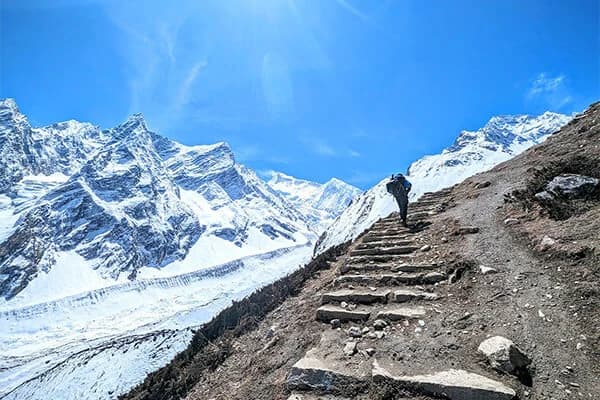
Are you wondering why avoiding these mistakes matters? The EBC Trek is a 14-day-long journey that involves high elevations, steep and rocky trails within the Sagarmatha National Park, and sub-zero temperatures. From my professional experience leading groups through the Khumbu Valley, I once had to continue the trek with injured knees during the steep descent from Gorak Shep due to a lack of eccentric cardio training.
I completed the journey somehow, but the pain was unforgettable. So, now, you can imagine for yourself whether rigorous physical preparation is important for first-timers. Since the base camp is at 5,364 m (17,598 ft) above sea level, you’re required to use extreme caution when ascending, as Acute Mountain Sickness (AMS) is common at such a height in the Everest Region.
Therefore, slow walking often called "Bistari, Bistari" by local Sherpas and focusing on prior cardio training are effective ways to minimize the risk of getting sick during the trek. Additionally, you should utilize a 3-layer clothing system: warm insulation for overnight stays and moisture-wicking merino wool or synthetic gear for daytime hiking.
Avoiding mistakes saves your time, money, and effort. Having serious preparation helps you immerse yourself in the spiritual experience of the mountains and authentic local culture along the trail without the distraction of physical distress.
Is The Everest Base Camp Trek Hard: The Physical Reality
To be honest with you, the EBC Trek is moderate to challenging in terms of difficulty, meaning it isn’t technically demanding, but it requires good stamina, strength, and most importantly, endurance. This is because you’ll need to walk normally for 5 to 7 hours a day with a heavy backpack on your shoulder at high altitude locations during the journey.
You shouldn’t underestimate your stamina, skip training, or ignore cardio. Otherwise, your trek will be a struggle, which is actually supposed to be an adventure. You might be a gymmer and possess proper strength, but endurance is key during high-altitude trekking.
So, you might want to follow the Everest Trek training plan to make your journey memorable now, before you go on this incredible trip. Below are some of the major exercises that you should incorporate into your daily routine:
- Cardio: Running, swimming, cycling, or stair climbing to enhance your breathing, 3 to 4 times a week.
- Strength Training: Try doing squats and lunges to strengthen your legs, 2 to 3 times a week.
- Weekend Hike: Go hiking in your nearby hills with a backpack to make a habit of walking in nature.
- Long Walks: Instead of taking a ride for transportation every time in your daily life, try walking when you can.
If you’re not a daily working-out person, do these exercises at least two months before the trek. Don’t rush when doing exercise. Start slow and stay consistent.
The bottom line is this: the journey is difficult if you aren’t serious about preparation. Nevertheless, it’s possible with smart and step-by-step training.
Is Altitude Sickness Really That Dangerous
Without a shadow of a doubt, altitude sickness, also known as acute mountain sickness (AMS), is scary and can even cost your life if your carelessness reaches its peak. It’s something you should never take lightly.
Ignoring the symptoms of altitude sickness, such as headaches (the most common), nausea, dizziness, difficulty sleeping, loss of appetite, and fatigue, is one of the common mistakes that first-time trekkers make during the Everest Trek. It’s because of being unaware of such things.
Therefore, understanding these symptoms clearly is necessary when planning the Everest Trek. I would like to offer you some altitude sickness guides that help you avoid it during the journey:
- Follow the acclimatization rule after reaching 3,000 m (9,842.52 ft) by spending an extra day at the same place. Go for a hike to the nearby hill during the day.
- Meet your trusted doctor before leaving your place for this trek, and buy acetazolamide (Diamox), the best medicine for AMS, under their prescription.
- Don’t let your body go dehydrated. Drink plenty of water, at least 3 to 4 litres a day.
What Should I Pack For Everest Base Camp: Avoiding Gear Mistakes
Packing for EBC can feel confusing at first, but honestly, it’s all about keeping things light, practical, and layered. Most trekkers either overpack or bring the wrong stuff, and both can make the journey way harder than it needs to be.
Here’s a simple checklist for Everest Trek to get you started:
- Broken-in trekking boots (seriously, don’t bring new ones)
- Down jacket (essential for cold mornings and freezing nights)
- Layered clothing (base layer, insulation layer, outer shell)
- Thermal wear (top & bottom)
- Trekking pants & moisture-wicking shirts
- Warm hat, gloves, and buff/scarf
- Good-quality backpack (minimum 55L)
- Sleeping bag (rated for -10°C or lower)
- Reusable water bottle & purification tablets
- Headlamp with extra batteries
- Basic first aid kit + personal meds
Now, here’s where most people mess up. First, they carry way too much.
Remember, there’s usually a weight limit of around 10 to 15 kg for porters, and you’ll still have your own daypack. Every extra kilo feels heavier at altitude.
Second, they ignore the layering system and pack bulky clothes instead of smart layers. Layering helps you adjust easily as temperatures change throughout the day.
Also, follow the golden rule: no cotton. Cotton absorbs sweat and stays wet, which can make you cold fast in the mountains. Instead, go for wool or synthetic materials that dry quickly and keep you warm.
And don’t underestimate small mistakes, like not breaking in your boots, which can cause blisters while hiking, or skipping a proper down jacket. Pack smart, keep it light, and focus on essentials; that’s the real secret to staying comfortable on the trek.
What Should I Eat And Drink On The Everest Base Camp Trek
At high altitudes, the air is thinner, which slows digestion and speeds up dehydration, eventually leading to altitude sickness. To stay safe throughout the EBC Trek, drink at least 3 litres of water a day, which helps you digest food and eat heartily later.
Focus on carb-rich foods, such as rice, potatoes, pasta, and bread, as they contain high calories, which help you stay energised and cover long distances. Also, consider adding garlic soup to your meal. Garlic is a famous local remedy for altitude sickness, in case you’re unaware.
Don’t make a mistake by skipping meals or water. It can worsen your health condition.
Yes, you can bring high-sugar snacks to collect energy while hiking, which I also do when trekking at high elevations. But also, eat all three meals of the day in a tea house along the way. Relying on dry fruits, chocolate, protein bars, etc., isn’t a good idea.
When Is The Best Time To Trek To Everest Base Camp
Speaking of the best time for the Everest Trek, two seasons: spring (March to May) and autumn (September to November), are golden windows. These seasons offer a safe and beautiful journey, as the weather is mostly stable and the skies are clear during these times of year.
Winter (December to February) and monsoon (June to August) aren’t recommended because they are considered off-season. In winter, you’ll face extreme cold temperatures, while in the monsoon, leeches bite, cloudy skies, and unstable weather make the trekking conditions harsh.
Good weather isn’t only for stunning views and safe conditions; it’s also important for transportation. The more good weather, the safer the flight from Kathmandu to Lukla. During the off-season, especially during the monsoon, flights get delayed and sometimes even cancelled.
Therefore, trekking in the rainy season would be a huge mistake. Even during spring and autumn, you should stay updated with the daily weather forecast.
| Season |
Months
|
Conditions |
Should You Go?
|
| Spring |
March to May
|
Clear skies, blooming trails
|
Best time
|
| Autumn |
September to December
|
Stable weather, best visibility
|
Best time
|
| Monsoon |
June to August
|
Heavy rain, clouds, leeches
|
Avoid |
| Winter |
December to February
|
Freezing cold, possible closures
|
Risky |
Do I Need A Guide For Everest Base Camp: Safety Vs Tech
Hiring a guide for the EBC Trek is now essential. Under the updated rules by the Government of Nepal, trekkers in the Khumbu region are required to be accompanied by a registered guide to obtain the necessary permits.
Additionally, the traditional TIMS (Trekkers’ Information Management System) card has been replaced by a local trekking permit issued specifically for the Khumbu region. Without these permits and a licensed guide, you may not be allowed to continue your trek, making proper planning more important than ever.
You know what? A GPS and an oximeter are two of the crucial devices you can have for a nature hike like this, as they’re useful for directions and checking your body’s oxygen level, respectively.
However, they don’t show you which route got blocked due to the recent landslide. Only experienced guides have such information, as they lead multiple trekking groups along the same trail each season.
Even if they haven’t led any tourists to the destination you're planning to reach in a particular season so far, they stay prepared by remaining updated with the trail conditions of every trek.
Trekking guides also mostly carry a satellite phone to contact the rescue team in an emergency. The SIM cards don’t have a strong signal as you go higher.
One of the most essential things to be aware of is that guides aren’t only there to show you the correct way and ensure your safety. They’re also helpful in finding the best tea houses and dealing with locals along the route.
How Much Does The Everest Base Camp Trek Really Cost
Honestly, this is where most first-time trekkers get it wrong. You might see a price online and think, “Okay, that’s my budget.” However, the reality is a bit different.
There are always extra costs, such as WiFi, charging your phone, hot showers, and tips, that people forget to include. That’s why checking a proper Everest Trek cost breakdown before you go really helps.
Another thing people don’t think about is pace. If you rush the trek, you risk altitude sickness (which can force you to stop and spend more money).
If you go too slow, you’ll spend more days on the trail, so more money on food and rooms. Therefore, yes, your timing and your budget are connected.
Simple Cost Idea (Per Person)
- Flights (Kathmandu–Lukla): $180 – $220
- Permits: $50 – $70
- Guide (optional): $25 – $35/day
- Porter (optional): $15 – $25/day
- Food & stay: $25 – $50/day
- Extras (WiFi, charging, shower): $5 – $15/day
- Tips: Around $100 total
Total (about 12–14 days): $900 – $1,500+
Time Planning (Very Important)
- 12 to 14 days: best and most common
- Too fast (under 10 days): risky
- Too slow (15+ days): safer but more expensive
The best approach? Keep some extra budget for delays (especially Lukla flights) and don’t try to rush. Plan smart, and the trek becomes much easier and way less stressful.
Conclusion
Improper high-altitude physical training, choosing inappropriate moisture-wicking gear, skipping acclimatization day, uncontrolled pace, and staying dehydrated are the top mistakes to avoid for a successful Everest Trek. Follow these tips for high-altitude trekking:
- Start doing cardio and strength training, such as running, cycling, squatting, and others, at least a month prior to your travel date.
- Go on a hike to a nearby hill from your home on the weekend with a backpack.
- Bring proper moisture-wicking gear for a day hike and warm layering for an overnight stay.
- Spend an extra day at the same place upon reaching 3,000 m (9,842.52 ft) to acclimatize your body during the trek.
- Ascend gradually while hiking.
- Drink plenty of water, at least 3 to 4 litres a day.
Contact us to join our 14-day Everest Base Camp Trek with expert guidance, proper acclimatisation, and a well-planned itinerary.