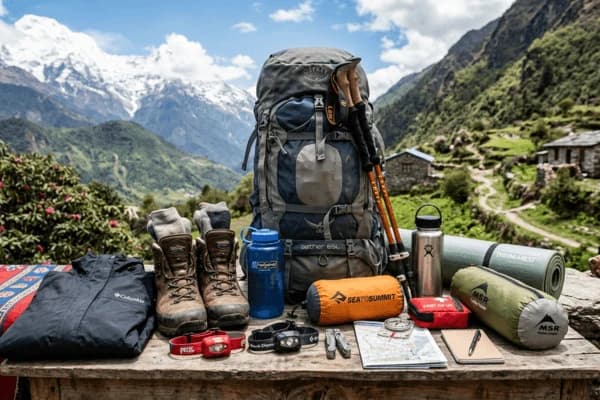
Why Choosing The Right Boots For Everest Base Camp Matters
Many first-time trekkers underestimate the importance of good boots; nonetheless, on the Everest Base Camp (EBC) trek, every step counts. Long walking days, rocky trails, and cold weather can quickly turn a fun trek into a painful experience if your feet aren’t properly protected.
During my trek, I saw hikers struggle with blisters and sore ankles because they wore lightweight or poorly broken-in shoes. Choosing the right boots with strong ankle support and waterproofing makes the journey much safer and more enjoyable.
Bad footwear can ruin the journey by causing discomfort, slowing your pace, or even forcing you to cut the trip short. Common mistakes include picking boots that are too tight, not waterproof, or not properly broken in before the trail.
Trekking in the right boots reduces the risk of blisters, keeps your feet warm, and makes rocky sections easier to handle. For more insight on handling the tough sections of the journey and managing the Everest Base Camp Trek difficulty, investing in quality gear is the best first step you can take.
What Type Of Boots Are Best For The Everest Base Camp Trek
When preparing for the EBC Trek, selecting the right boots is crucial for both comfort and safety. Mid-cut trekking boots are ideal for most trekkers, as they offer sufficient ankle support while remaining lightweight. High-ankle boots offer extra stability and protection for rough or uneven trails, which is helpful on rocky sections above Dingboche.
Waterproof boots keep your feet dry in snow or rain, while breathable mountain boots allow airflow to prevent overheating and keep you dry. Most experienced trekking guides in Nepal recommend midweight waterproof trekking boots because they strike a perfect balance between comfort, protection, and durability. As you refine your Everest Base Camp Trek packing list, ensuring your footwear meets these standards should be a top priority.
Compared to other footwear, trekking boots outperform hiking shoes and mountaineering boots for a multi-day journey. Hiking shoes are lightweight and comfortable for short trails but lack support on long, rocky sections. Mountaineering boots are designed to be rigid and insulated for ice climbing, but they can feel heavy and uncomfortable on long days of walking.
For a clear overview, see the mini comparison table below:
|
Footwear Type
|
Best For
|
Not Ideal For
|
|
Hiking Shoes
|
Short and easy hikes
|
Rough mountain trekking
|
|
Trekking Boots
|
Multi-day treks like EBC
|
Very technical climbing
|
|
Mountaineering Boots
|
Ice climbing and extreme mountains
|
Regular trekking |
Choosing the right boots is also part of smart preparation.
Key Features To Look For In The Best EBC Trekking Boots
Above Lobuche (4,940 m/16,210 ft), the trail can be icy in the morning, and wet stones are common along streams. To protect your feet from the high altitude and cold temperatures at the base camp, you require warm, protective, and reliable boots. Choosing boots with the right features can prevent discomfort, blisters, and even injuries during long trekking days.
Key features to look for in trekking boots for EBC:
- Waterproof Protection: It keep your feet dry during rain, snow, or river crossings. Wet feet can become uncomfortable and increase the risk of blisters on long days.
- Strong Ankle Support: Mid-to-high ankle boots protect your feet and provide stability on rocky trails and uneven terrain. This support is crucial when carrying a heavy backpack.
- Good Grip and Traction: Boots with durable, grippy soles help prevent slipping on icy or wet rocks and make steep climbs safer.
- Soft and Comfort: Long trekking days can be tiring, so soft insoles and padded interiors keep your feet comfortable and reduce fatigue.
- Lightweight But Durable: Heavy boots can tire you out, but overly light boots may lack protection. Look for a balance of durability and weight for all-day trekking comfort.
Best Boots For EBC Trek (Top Recommended Models)
Choosing the best hiking boots for the Everest Trek is important, especially during the long walking days described in our Jiri to Everest Base Camp Trek itinerary, where comfort and support really matter. Below are some of the most trusted trekking boots used by trekkers and guides in the Himalayas.
Salomon Quest 4 GTX Hiking Boot
Best for: Long multi-day treks with heavy backpacks
Key features:
- Gore-Tex waterproof membrane
- Strong ankle support and protective upper
- Deep-lug outsole for traction
Pros:
- Excellent stability on rocky terrain
- Very durable for long treks
- Reliable waterproof protection
Cons:
- Slightly heavier than lightweight boots
Why it works for the Himalayas:
This boot is widely used on Himalayan trails because it provides strong ankle support and stability on uneven terrain. The waterproof lining keeps feet dry, while the rugged sole offers great grip on rocky and muddy paths.
Lowa Renegade GTX Mid
Best for: Comfort and durability
Key features:
- Waterproof Gore-Tex lining
- Supportive midsole
- Comfortable fit
Pros:
- Very comfortable even on long days
- Good ankle support
- Durable build quality
Cons:
- Not ideal for very technical terrain
- Why it works for the Himalayas:
Many trekking guides recommend this boot for its comfort and reliability. It performs well on long, uneven trails and helps reduce foot fatigue.
Merrell Moab 3 Mid Waterproof
Best for: Lightweight trekking
Key features:
- Waterproof membrane
- Lightweight design
- Cushioned sole
Pros:
- Comfortable and easy to wear
- Budget-friendly option
- Good for moderate trails
Cons:
- Less ankle support than heavier boots
- Why it works for the Himalayas:
This is a good choice for trekkers who prefer lighter boots, though it’s better suited for less demanding sections of the trail.
Scarpa Zodiac Plus GTX
Best for: Technical and rocky terrain
Key features:
- Gore-Tex waterproofing
- Strong grip outsole
- Durable upper
Pros:
- Excellent traction on rocky paths
- Very durable
- High stability
Cons:
- Slightly stiff for beginners
- Why it works for the Himalayas:
This boot performs well on steep, rocky sections often found in the Everest region, giving trekkers confidence and control.
La Sportiva Nucleo High II GTX
Best for: Breathable comfort
Key features:
- Gore-Tex Surround technology
- Lightweight design
- Good ventilation
Pros:
- Breathable and comfortable
- Good balance of weight and support
- Reliable waterproofing
Cons:
Why it works for the Himalayas:
This boot is ideal for trekkers who want comfort during long days, as it keeps feet dry while allowing airflow to reduce sweat buildup.
It’s also helpful to compare these boots side by side:
| Boot |
Best For
|
Waterproof |
Support Level
|
|
Salomon Quest 4 GTX
|
Long treks
|
Yes |
High |
|
Lowa Renegade GTX
|
Comfort & durability
|
Yes |
High |
|
Merrell Moab 3 Mid
|
Lightweight trekking
|
Yes |
Medium |
|
Scarpa Zodiac Plus
|
Technical terrain
|
Yes |
High |
|
La Sportiva Nucleo
|
Breathable comfort
|
Yes |
Medium-High |
How To Choose The Right Boots For Your Everest Trek
Choosing the right trekking footwear for your EBC Trek is just as important as selecting the route. Proper footwear selection is an essential part of preparation, as it helps prevent blisters, discomfort, and foot injuries during long walking days.
Many trekkers make the mistake of buying new boots right before the trek without testing them, which often leads to painful problems on the trail. To make sure your boots fit well and perform properly, follow these simple steps before your trek:
How to choose and test your boots:
- Pick the right size: Your boots should not feel too tight or too loose. Always try them on with trekking socks.
- Check toe room: Make sure there is a small space in front of your toes so they don’t hit the front while walking downhill.
- Wear proper socks: Use good-quality trekking socks to reduce friction and prevent blisters.
- Do a fit test: Walk on slopes or stairs to see if your heel slips or if there are pressure points.
- Break in your boots: Always walk at least 20–30 km with your boots before the trek to soften them and avoid blisters.
Taking the time to test and prepare your boots will make your trek much more comfortable and enjoyable.
Common Boot Mistakes Trekkers Make On The Everest Base Camp Trek
Many trekkers make simple footwear mistakes that can quickly turn the Everest Trek into a painful experience. I’ve seen many trekkers arrive in Lukla with brand-new boots, only to struggle with blisters in the first few days. Others wear running shoes, thinking they will be more comfortable, but rocky trails and uneven paths make them unsafe.
Choosing very heavy boots can also slow you down, while ignoring waterproof features often leads to wet and cold feet. Even wearing the wrong socks can cause friction and discomfort during long walking days.
The good news is that these mistakes are easy to avoid with the right approach. Always break in your boots before the journey, choose midweight trekking boots instead of running shoes, and ensure they are waterproof in changing weather conditions. Pair your boots with proper trekking socks to reduce blisters and improve comfort.
By making these small but important choices, you can enjoy the adventure without foot problems. You can avoid many trekking mistakes by following these Everest Base Camp Trek tips.
Final Tips For Choosing The Best Boots For Everest Base Camp Trek
Choosing the best hiking shoes for the EBC Trek comes down to comfort, support, and reliability. The ideal choice is a mid-to-high ankle waterproof trekking boot that offers strong grip, good cushioning, and long-lasting durability.
Durable trekking footwear is essential because the trail includes rocky paths, long walking days, and cold conditions that demand protection and stability. If you choose the right boots and prepare them properly, your trek will be much more enjoyable.
To quickly answer common questions: trail running shoes aren’t recommended for the Everest Trek because they lack ankle support and protection. Waterproof boots are highly recommended, as you may face rain, snow, or wet trails.
Renting boots in Nepal isn’t ideal because they may not fit perfectly or be properly broken in. The best approach is to bring your own well-tested boots and wear them before the journey. If you do so, you’ll be well prepared for this high-altitude trek.