Can You Trek Everest In Winter
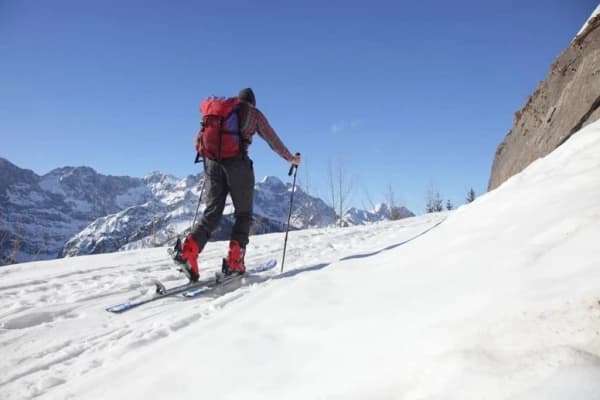
Actually, winter is considered the off-season for the Everest Base Camp Trek; yet, it’s still possible to do it. Most guides recommend this trek only to experienced trekkers. For them, it can be planned during this time of year, but for beginners or those with health issues, it’s better to avoid planning it.
The trek is moderate to challenging in difficulty. Nevertheless, the trekking condition is more challenging in winter compared to spring and autumn due to frigid temperatures and heavy snowfall.
From my experience leading winter expeditions, the cold isn't just a physical challenge; it requires a higher level of mental resilience and technical gear management. If you want a deeper understanding of what makes it tough, check our detailed difficulty guide for a complete breakdown.
Weather And Temperature In Winter
In high-altitude locations, such as the Khumbu Region in Nepal, it's always cold, particularly at night and in the early morning. In winter, you can imagine how cold it can be there. So, it isn’t that easy to go on the Everest Trek in cold weather, despite being possible.
Even the trek that’s easy during the peak seasons becomes challenging in this season. The only reasons are the frigid temperature, snowfall, and strong winds (during the daytime). Therefore, the best month for the EBC Trek is during spring and autumn, as they offer stable weather and good trekking conditions.
To inform you about the weather conditions in the Everest Region during winter, we’ve designed a table showing the temperatures in Lukla, Namche Bazaar, and Gorak Shep, as well as the differences between day and night, and the snowfall and wind conditions.
| Location |
Day Temperature
|
Night Temperature
|
Snowfall |
|
Wind Condition
|
Lukla |
5°C to 10°C
|
-5°C to 0°C
|
|
Light snow sometimes
|
Mild |
Namche Bazaar
|
0°C to 8°C
|
|
-10°C to -5°C
|
Occasional Snow
|
Moderate wind
|
Gorak Shep
|
|
-10°C to -5°C
|
-20°C to -15°C
|
Frequent snow
|
Strong cold wind |
Day Vs Night Difference
In Lukla and Namche, the day is just cold, but the night is freezing, as the temperature falls below zero. In Gorak Shep, on the other hand, both day and night already have temperatures in the minus. Therefore, the night is extremely harsh.
Snowfall & Wind
Lukla experiences light snow sometimes, while Namche has occasional snow with mild wind conditions in winter. In Gorak Shep, you can expect to experience frequent snow, and the wind is also strong and cold. Wind chill at Gorak Shep can make -15°C feel like -25°C, so windproof layers are non-negotiable.
Challenges Of Trekking In Winter
Winter trekking isn’t for first-time hikers. If you’re a regular one and want to try adventure, but in an extreme way, next time, you can plan your Everest Trek for this time of year. The challenges are for sure, but the views you witness along the trail and at the base camp are truly remarkable, as the peaks in the Mahalangur Range appear pure white.
Anyway, it’s better for you if you’re aware of the potential challenges of trekking to EBC in cold weather when planning. You cannot eliminate these challenges, but at least you can be fully prepared to handle them during the journey.
Extreme Cold
One of the major challenges that you experience while hiking in Nepal’s Himalaya in winter is the extreme cold. The night and early morning temperatures in the Khumbu Region are frigid.
In the lower sections, such as Lukla and Namche, snowfall is occasional. Nevertheless, the upper sections, such as Gorak Shep and EBC, can experience frequent snowfall.
Expert Survival Tip: Sleep with your water bottle and camera batteries inside your sleeping bag. If left outside, your water will freeze solid by 2 AM, and your electronics will lose 100% of their charge.
Flight Delays
The flights from Kathmandu to Lukla and back are mostly affected by the fog in winter, resulting in delays. You may get stranded at the airport for hours sometimes. Always keep at least 2 buffer days in your itinerary to account for these weather-related groundings.
Frozen Water
During the winter trek, you can’t expect to get water easily available in a hotel along the route for bathing and cleaning, especially at night and early in the morning. The reason is that water freezes overnight until the sun appears.
Furthermore, due to the cold, you don’t feel like drinking water much, which can cause you to slowly dehydrate. As a result, the risk of altitude sickness during the EBC Trek is also high in this season compared to spring and autumn.
Closed Teahouses
In winter, some teahouses and lodges along the way stay closed due to the off-season. Hence, you might face a bit of difficulty finding a safe place for the night. However, this also means you get the best rooms in the open lodges, usually with unobstructed views.
Benefits Of Trekking EBC In Winter
Everest Base Camp Trek in the off-season, like winter, is one of the toughest ideas that you may come up with if you’re an experienced hiker, and now, you want a hard level to try. Dealing with challenges, especially freezing cold temperatures at higher altitudes, is a certain thing. Nonetheless, there are also some benefits of trekking in this season.
Fewer Crowds
Due to the extreme cold weather, most people don’t prefer the winter season to trek at high elevations. Very few tourists seem to be hiking on the trail, leading to the base camp. Since the route experiences fewer crowds, you don’t need to worry about finding a comfortable room in lodges for an overnight stay, even if some lodges along the way are closed at the time.
Clear Mountain Views
In winter, at night, snowfall occurs occasionally, and in the morning, it’s sunny with clear skies at higher-altitude locations, such as Namche Bazaar, Gorak Shep, and EBC. In daylight, mountains come alive in shiny white.
Peaceful Trails
As stated above, a few tourists seem to be hiking on the trail to EBC. So, you can enjoy the beauty of nature in a quiet and peaceful environment. No noise, no disturbance, just you and the snow-capped giants.
Better Photos
Since the skies are often clear during the day in winter, you can get the chance to have the best photo sessions along the route while hiking. From my personal experience, you’ll be overwhelmed by the mountain views and won’t get tired of taking out your camera frequently. The winter sun is lower in the sky, providing "Golden Hour" lighting for a much longer duration during the day.
Packing List For Winter Trek
Due to the new update on winter safety, we recommend adding microspikes to your kit for the icy sections between Tengboche and Lobuche. Packing right is crucial for the Everest Trek in winter due to extreme cold and changing conditions. Here’s a simple winter checklist to help you stay warm, safe, and comfortable.
Winter Packing Checklist
Clothing (Layering System)
- Base layer: Thermal tops & bottoms (merino wool – e.g., Icebreaker)
- Mid layer: Fleece jacket or insulated hoodie
- Outer layer: Waterproof & windproof jacket (Gore-Tex recommended)
- Down jacket: Heavy insulated (-15°C to -20°C rated)
- Trekking pants + insulated pants
- Warm hat (beanie) + neck gaiter/buff
Sleeping Gear
- 4-season sleeping bag (-20°C recommended for winter)
- Sleeping bag liner (extra warmth + hygiene)
Nights are freezing at high altitude, so a warm sleeping bag is essential
Essential Gear
- Waterproof gloves (outer) + liner gloves
- Insulated trekking boots (Salomon / The North Face type)
- Thick wool socks (3–5 pairs)
- Sunglasses (UV protection – snow glare is strong)
Trekking Equipment
- Backpack (20–30L) + rain cover
- Duffel bag (for porter)
- Trekking poles (very helpful on snow & ice)
- Headlamp + extra batteries
Health & Extras
- Sunscreen (SPF 50+) + lip balm
- Water bottle (insulated to prevent freezing)
- Basic first aid kit + altitude medicine
- Snacks (energy bars, dry fruits)
Pro Tip: Avoid cotton and always use a proper layering system to manage body temperature in changing mountain weather.
Cost, Permits, & Logistics
The cost of the Everest Base Camp trek in winter is slightly lower than in peak seasons. It’s particularly the airfare that gets dropped during this period. On average, the total cost ranges from USD 1,200 to 2,200 per person, depending on the services and comfort level you choose.
- Cost (winter): USD 1,200 to 2,200 (budget to standard), luxury can go above USD 3,000
- Permits (same as all seasons): NPR 3,000 for Sagarmatha National Park and NPR 2,000, for Khumbu Rural Municipality Permit. Note: Under guidelines, hiring a licensed guide is mandatory for safety.
- Flights (Kathmandu to Lukla): Around USD 360 to 500, but more delays in winter due to fog, wind, and snow
In terms of logistics, everything is similar to other seasons, but winter requires extra flexibility. Flights to Lukla are less reliable, and you may need buffer days in your itinerary. Permits remain the same year-round, but overall costs can be slightly cheaper, especially due to lower airfare.
Is Winter Trek Worth It
Trekking to EBC in winter is possible and truly worth it, as the skies are clear during the day, providing great mountain views. However, you can expect more challenges than during peak seasons. Therefore, we only recommend it for experienced hikers. Beginners shouldn’t consider making a plan for this trek in winter.
Early December and late February are the ideal times in this season when you can have a manageable trekking condition despite the cold weather. If you want a raw, quiet, and authentic Himalayan experience, winter is the best-kept secret of the Everest region.