

The Manaslu Circuit Trek is a journey around the base of Mt Manaslu (8,163 metres). You’ll go over the famous Larkya La Pass at 5,106 metres and enjoy some stunning views of the Himalayas. This guide will cover everything you need to know: the entire day-by-day itinerary, total cost breakdown, permit requirements, best time to trek, how challenging it is,how to prevent altitude sickness, and everything in between. If you’re looking for a full and detailed Manaslu Circuit Trek guide with all of your questions answered before booking, then this blog explains everything you need to know.
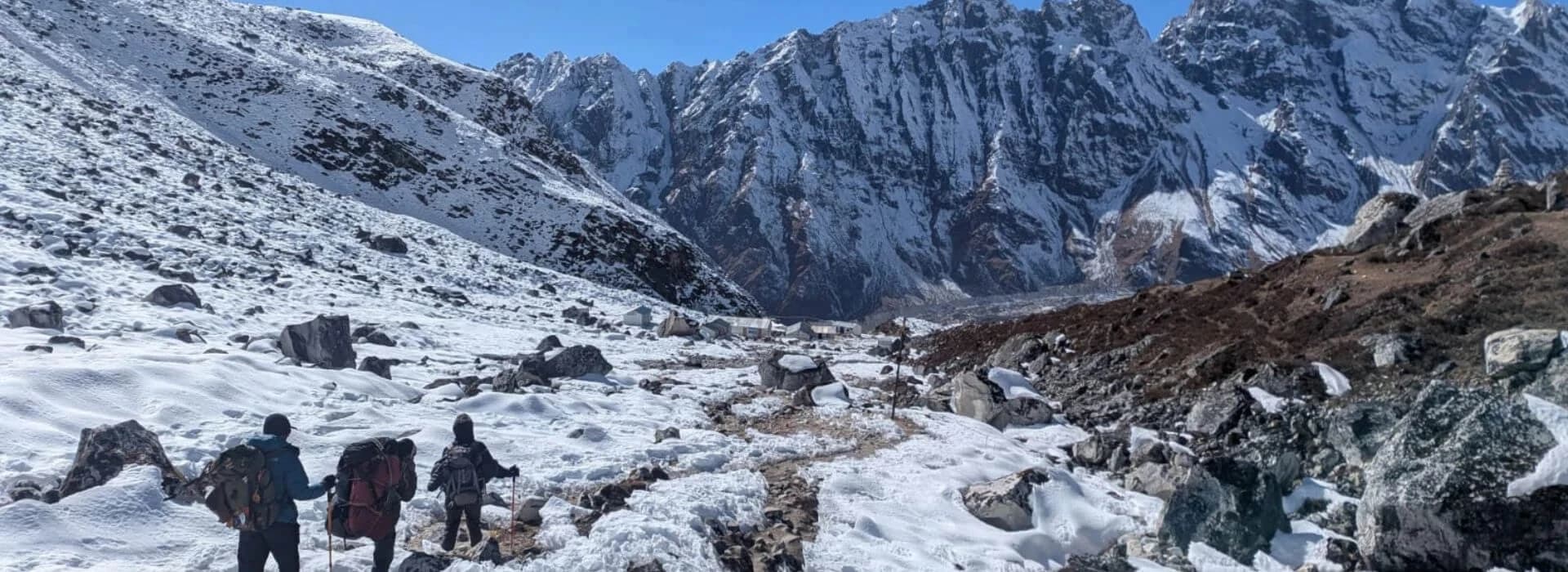
Manaslu Circuit Trek Guide

Introduction: Manaslu Circuit Trek Guide
Planning the Manaslu Circuit Trek, which lies in a restricted area, can be confusing and overwhelming, but this guide makes it easy to understand.
The Manaslu Circuit Trek is among Nepal’s top off-the-beaten-path adventures, and it will take you around the eighth-highest mountain in the world. Unlike popular treks such as Everest Base Camp or the Annapurna Circuit, this path is far less traveled and not filled with tourists. You will encounter fewer tourists and experience authentic mountain culture alongside local villages.
This trek is a great mix of natural beauty and cultural experience. You will experience local culture by interacting with people and visiting traditional mountain villages, and understanding how they live their daily lives in the mountains. The hike traverses high mountain passes, along beautiful rhododendron forests and rivers, while walking past waterfalls that offer an incredible natural beauty.
Manaslu is a restricted region of Nepal. This also means that you cannot trek here without securing special permits. Before you even set out, you’ll need special high-altitude permits and a licensed guide. Although the process may seem complex at first, it helps prevent the local environment and culture from being invaded, so tourists can legitimately expect that the area remains clean, safe and sustainable for future generations.
This ultimate guide will inform you of everything you need to know about the full 14-day itinerary, what the exact costs are and all permits required and how to properly get ready.
Overview of the Manaslu Circuit Trek Route
The Manaslu Circuit Trek is a full circuit of Mount Manaslu in the Himalayas, beginning and ending in Kathmandu. The overall trekking distance is 160 km (99 miles), which can be completed in 14 days.
Quick Route Overview:
- Start: Kathmandu (capital city of Nepal)
- End: Kathmandu or Pokhara (optional alternative end point)
- Total Duration: 14 days including all travel
- Highest Point: Larkya La Pass (5,106 meters / 16,735 feet)
- Total Distance: About 160 kilometers / 99 miles
- Trail Type: Complete circular loop around the mountain
The route is in two main sections. The first leg is from Machha Khola to Samagaon across a restricted area, where you will be in sight of the highest peaks and visiting typical Tibetan-influenced villages. The second section crosses the pass of Larkya La and then descends to Dharapani amid a beautiful rhododendron forest. Then you finish with one final drive back to Kathmandu.
Manaslu Circuit Trek Cost Breakdown
You might be wondering how much the Manaslu Circuit Trek costs. The overall cost of the Manaslu Circuit Trek may vary according to the season, your group’s size, and what facilities you choose. Here is a look at the costs per person:
| Cost Category | Details | Estimated Cost (USD) |
| Permits | Restricted Area Permit, MCAP and ACAP | $140–$165 |
| Guide Cost | Licensed guide (mandatory), full trek | $300–$400 |
| Porter Cost | Optional porter services on shared a basis | $0–$150 |
| Food and Accommodation | Teahouses with 3 meals plus lodge nightly | $300–$400 |
| Transport | Kathmandu–Soti Khola roundtrip transport | $100–$150 |
| Total Estimated Budget | Per person without international flights | $1,050–$1,500 |
The total Manaslu Circuit Trek cost depends on group size and the time of year you trek.
Important Cost Notes:
Without a porter: It costs $1,050–1,200 per person. If you are willing to hire porters, it can cost between USD 1,200-1,500 per person. These fares apply to peak season (spring and fall) periods. The off-season prices (winter and monsoon) could be lower. All prices include meals at teahouses, simple lodging and a professional guide. These estimates do not consider international flights to Nepal.
Manaslu Circuit Trek Permits Explained
Manaslu is a restricted region of Nepal. This also means that you can’t trek here without securing special permits. The government has these rules in order to safeguard the environment and native culture in this fragile mountain area. To hike the full circuit, you must have three distinct permits.
Restricted Area Permit (RAP)
The Manaslu Restricted Area Permitenables you to pass into the controlled area between Jagat and Dharapani. This is the crux of the trek where you get to see some of the most dramatic mountain views.
Cost Details from September to November: $100 for first 7 days and then $15 per additional day.
Cost Details from December to August: First 7 days, USD 75., additional day, $10.
Manaslu Conservation Area Permit (MCAP) and Annapurna Conservation Area Permit (ACAP)
These two permits are the first and foremost licenses required to hike through the Manaslu Circuit. MCAP covers the Manaslu conservation zone, while the adjoining areas close to Annapurna are embraced in ACAP. Both permits cost about 25 USD each (3,000 NPR per permit).
Why These Permits Exist: The income generated by these permits contributes directly to the protection of forests, wildlife and communities. It enables local communities to make a living from tourism, encouraging them to protect the area. The permits also limit how many people trek in the region, helping to ensure that trails remain uncluttered and safe and preserving local culture from over-tourism.
Why a Licensed Guide is Mandatory
You need to have a certified guide with you throughout the Manaslu region even Manaslu Circuit Tsum Valley Trek. Even if you have done some very tough trekking before, you cannot trek independently, as per the law of Nepal. The guide you hire is required to have an official trekking license.
A licensed guide performs several indispensable functions. For one thing, they know the safe ways to travel and where exactly to sleep and eat. Second, they help you acclimatize to the altitude and any related health issues. Thirdly, they explain some of the local culture, language and customs to you.
Fourth, they help prevent you from getting lost and having accidents if you find yourself off the beaten path in some remote place. Guides charge USD 30–35 per day, which includes the guide's own food and lodging while on the trek.
Manaslu Circuit Trek Itinerary (Day-by-Day)
This complete 14-day plan shows daily walks, walking hours, altitude changes details.
- Day 1: Drive from Kathmandu to Machha Khola - 930m / 3,051ft, Distance: 160km (9 hours)
- Day 2: Trek Machha Khola to Jagat - 1,410m / 4,625ft, Distance: 22km ( 7–8 hours )
- Day 3: Trek Jagat to Deng - 1,804m / 5,918ft, Distance: 16km (7 hours )
- Day 4: Trek Deng to Namrung - 2,630m / 8,627ft, Distance: 12km (6–7 hours )
- Day 5: Trek Namrung to Samagaon - 3,505m / 11,500ft, Distance: 12km, (6 hours)
- Day 6: Acclimatization Day in Samagaon - 3,505m / 11,500ft (Rest day with optional 3–4 hour light walk)
- Day 7: Trek Samagaon to Samdo - 3,875m / 12,713ft, (4–5 hours)
- Day 8: Trek Samdo to Dharamsala (Larkya Pedi) - 4,460m / 14,632ft, Distance: 10km, ( 5–6 hours)
- Day 9: Trek to Bhimtang via Larkya La Pass -5,106m Pass / 3,590m Bhimtang, Distance: 15km, (7–8 hours)
- Day 10: Trek Bhimtang to Tilje - 2,300m / 7,546ft, Distance: 14km, (6 hours)
- Day 11: Trek Tilje to Dharapani - 1,970m / 6,463ft, Distance: 12km, (5 hours)
- Day 12: Drive Dharapani to Besisahar - 488m / 1,601ft, Distance: 70km (4-5 hours)
- Day 13: Drive Besisahar to Kathmandu - 150km to Kathmandu / 90km to Pokhara, Distance: 150km to Kathmandu / 90km to Pokhara, (6-7 hours)
- Day 14: Rest Day in Kathmandu - Recover from trek, shower, rest, and prepare for departure home
Best Time to Do Manaslu Circuit Trek
The best time to trek the Manaslu Circuit depends on trekkers' interests and preferences. But considering the weather conditions and comfort, the Spring and Autumn seasons are the best ones.
Spring (March – May) is a great time for treks. It’s cool and comfortable (5-15°C degrees Celsius). Rhododendrons decorate the trails with a bright and pretty color. The sky is typically clear on mornings before clouds form. Days are usually longer in the springtime, allowing you to plan your hike efficiently.
Similarly, most trekkers consider the best season from September to November. Weather conditions are settled and fine with a comfortable temperature between 10-20 °C. Trails are dry and well-maintained, making your navigation comfortable. This season is even busier with trekkers, but Manaslu is still a lot quieter than more established places.
Why Avoid Other Seasons?
Monsoon (June–August) is the time when it rains the most, and has an overcast sky surrounding the peaks. Paths are wet, muddy and slippery, and landslides can block paths. There are leeches in the wild, and it’s uncomfortable for trekkers to navigate.
Winter (December to February) is extremely cold, with temperatures falling below 0°C. Snow covers high passes, making trails dangerous and difficult. There are a few teahouses open, and they are working at a low capacity. Only a very experienced trekker in the winter with complete equipment should go for this trekking trail.
Difficulty Level and Physical Fitness Required
The difficulty level of the Manaslu Circuit Trek is moderate to strenuous. Anybody in good health with prior trekking experience can complete the trek successfully.
Walking Hours Per Day: You will be walking 5-8 hours a day on the trail. Some days are shorter (4 to 5 hours) and some longer (7 to 8 hours). The walking is ruggedly up and downhill through a mountainous trail. You rarely walk on level ground.
Altitude Challenge: The highest altitude you reach during the Manaslu Circuit Trek is 5,106 meters above sea level, where the oxygen level is thin. Your body requires a break to acclimate to changing altitude. For most people, high altitude makes you feel tired and short of breath, and some even get altitude sickness.
Learn more about the challenges and dangers in our detailed guide: [Manaslu Circuit Trek Dangers]
Who Should Attempt This Trek?
The Manaslu Circuit Trek is a moderate to difficult-rated trek and is only for those with high-altitude trekking experience. If you have previous trekking experience at high altitudes, then you can easily complete this journey. If you have no experience of trekking above 4,000 meters altitude, then it isn't easy and not recommended.
You need good overall fitness. You can begin working out 2–3 months before you trek and participate in regular cardio like running, biking or swimming. Exercise your legs for strength and go for a walk with a weighted backpack.
If you are very physically fit but have no experience at high altitude, it is still possible to do so. Still, one must walk very slowly and take additional acclimatization days. For trekkers looking for a longer and more challenging adventure, the Manaslu With Annapurna Circuit Trek is also a strong option, but it requires even better endurance and careful preparation due to longer days and higher passes.
Altitude Sickness and Safety Tips
Altitude sickness occurs when your body gets deprived of enough oxygen and it usually happens at high elevation. This is a serious condition on mountain treks.
Common Symptoms:
- Headache (most common symptom)
- Tiredness and general weakness
- Shortness of breath
- Nausea or feeling sick
- Trouble sleeping well
- Dizziness or lightheadedness
You must tell your guide immediately and hike downhill to lower altitude if these symptoms occur.
How to Prevent Altitude Sickness?
When you are on the Manaslu Circuit Trek, you must acclimatize slowly. Give yourself rest days so your body has time to acclimate. Do not rush uphill quickly, and it is recommended to hike 300 meters per day. It means you are recommended to have an elevation gain of 300 meters daily. The itinerary includes a few acclimatization days in both Samagaon and Samdo.
- Drink plenty of water: Drink 3–4 liters daily minimum. Dehydration worsens altitude sickness significantly.
- Eat well and regularly: Eat high-carbohydrate and high-protein foods. Dal bhat provides excellent fuel.
- Take it slow: Walk slowly at high altitude. Do not race other trekkers. Allow your expert guide to lead the way.
- Rest if needed: Take it easy, get your rest and don't push higher. Going down is always safe.
- Consider medication: Some hikers take acetazolamide (Diamox) before altitude sickness begins. Talk to a doctor beforehand.
Accommodation and Food on Manaslu Circuit
Accommodations on the Manaslu Circuit are generally standard teahouses operated by local villagers offering basic services.
What Is a Teahouse?
A teahouse is a small village home where you sleep and eat. Local families run them. There are 4–8 small rooms in each teahouse, and all contain 1–2 basic beds. Blankets are flimsy (come with your sleeping bag). Windows are small, and there might not be a heating system.
Dining rooms are communal, where all trekkers eat. Bathrooms are typically outside or shared. Some are traditional squat toilets. Washing is in cold water. Showers are infrequent and often cost additional money.
Typical Meals:
The standard meal during the Manaslu Circuit Trek is Dal, Bhat, and tarkari [lentil curry and vegetables]. Breakfast is served with tea, bread, oatmeal, or eggs.
You also get:
- Noodle soups (hot and filling)
- Fresh vegetables (potato, spinach, tomato at lower altitudes)
- Meat options (chicken, yak, buffalo at higher villages)
- Whole wheat bread
- Local yak cheese
- Simple eggs
Packing List for Manaslu Circuit Trek
Pack smart to stay comfortable and safe throughout your entire trek.
Clothing:
- Underwear (5–6 pairs, moisture-wicking)
- Socks (5–6 pairs, wool or merino)
- Thermal base layers
- Fleece jacket
- Down jacket for high altitude
- Waterproof jacket
- Hiking pants (2 pairs)
- Fleece pants
- Warm hat, gloves, neck buff
Trekking Gear:
- Backpack (50–60 liters)
- Sleeping bag (rated for -10°C)
- Trekking poles
- Headlamp with batteries
- Water bottle or hydration bladder
Documents and Money:
- Passport
- Travel insurance that covers you and your family at high altitudes
- Permit papers
- Cash in Nepali rupees and USD
- Credit cards
Medicine and Health:
- Pain relief medication
- Anti-diarrhea medicine
- Antihistamine
- Blister treatment
- Sunscreen
- Lip balm
- Toilet paper and hand sanitizer
Other Items:
- Phone and charger
- Camera
- Notebook and pen
- Wet wipes
- Minimal toiletries
- Tissues
Conclusion
Manaslu Circuit Trek 14 Days is a great fit for trekkers who seek isolated paths, village life and amazing Himalayan views.
The trek leads you through wild scenery, ancient monasteries and ethnic cultures and presents satisfying close-up views of Mt. Manaslu, as well as the other surrounding mountains. Crossing the high Larkya La Pass is a major achievement for trekkers.Crossing the high Larkya La Pass is a major achievement for trekkers..
With proper planning, permits and an experienced guide, the trek is safe - and amazing. This adventure is for those who want to experience raw, breathtaking nature, cultural authenticity and have an authentic off-the-beaten-path Nepal trekking experience.

Need Help? Call Us.+977 9851230809