Route Overview
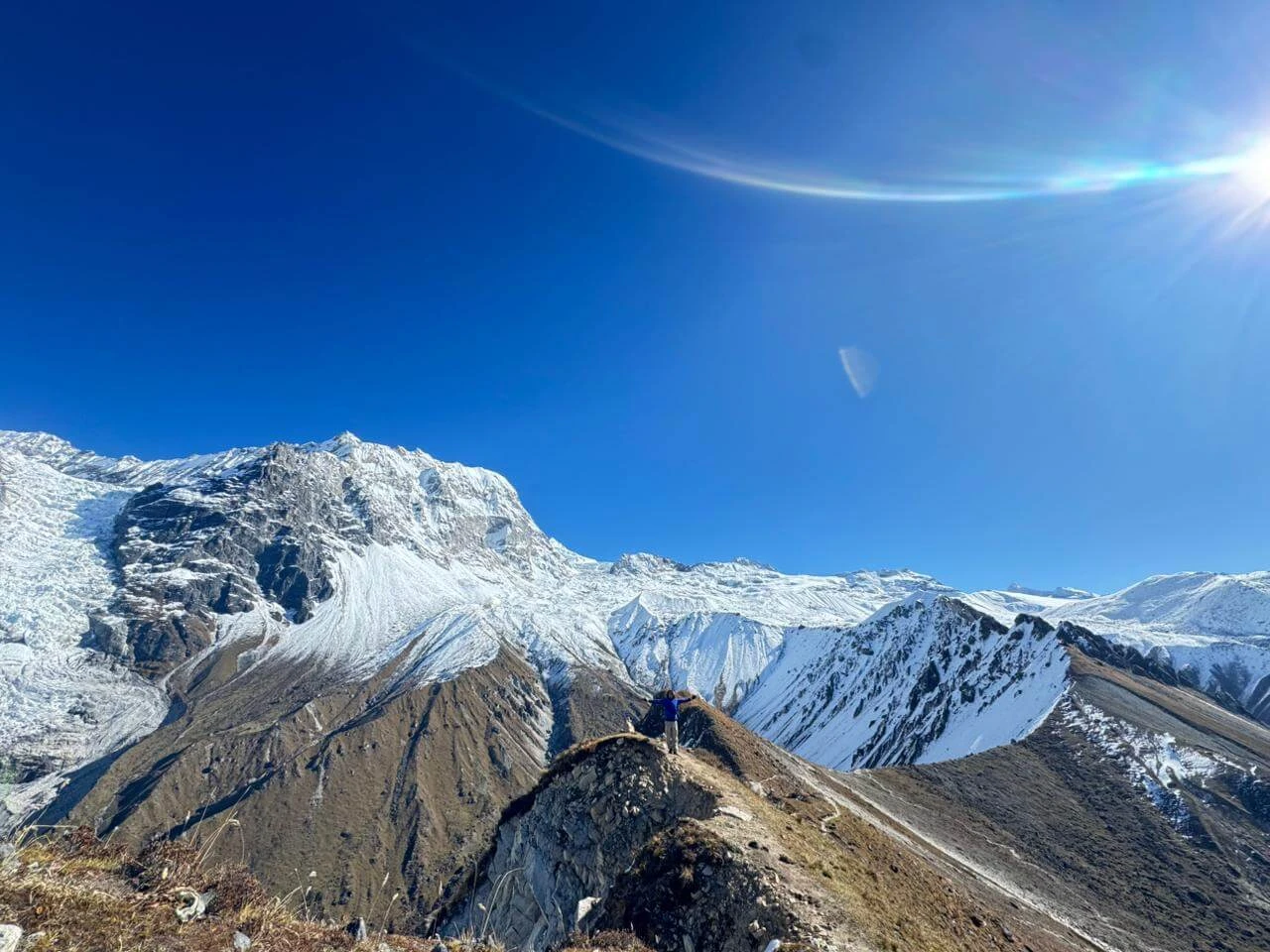
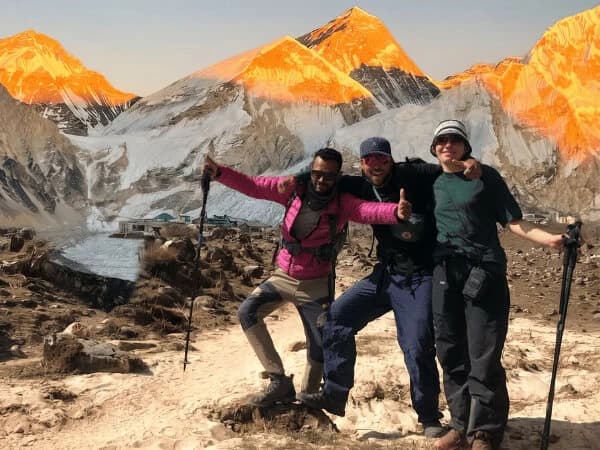
The 16-day Annapurna Circuit Hiking takes you on an incredible journey around the Annapurna Massif, and honestly, that’s what makes it so special. Instead of hiking to one destination and turning back, you’re constantly moving into new landscapes, cultures, and mountain views.
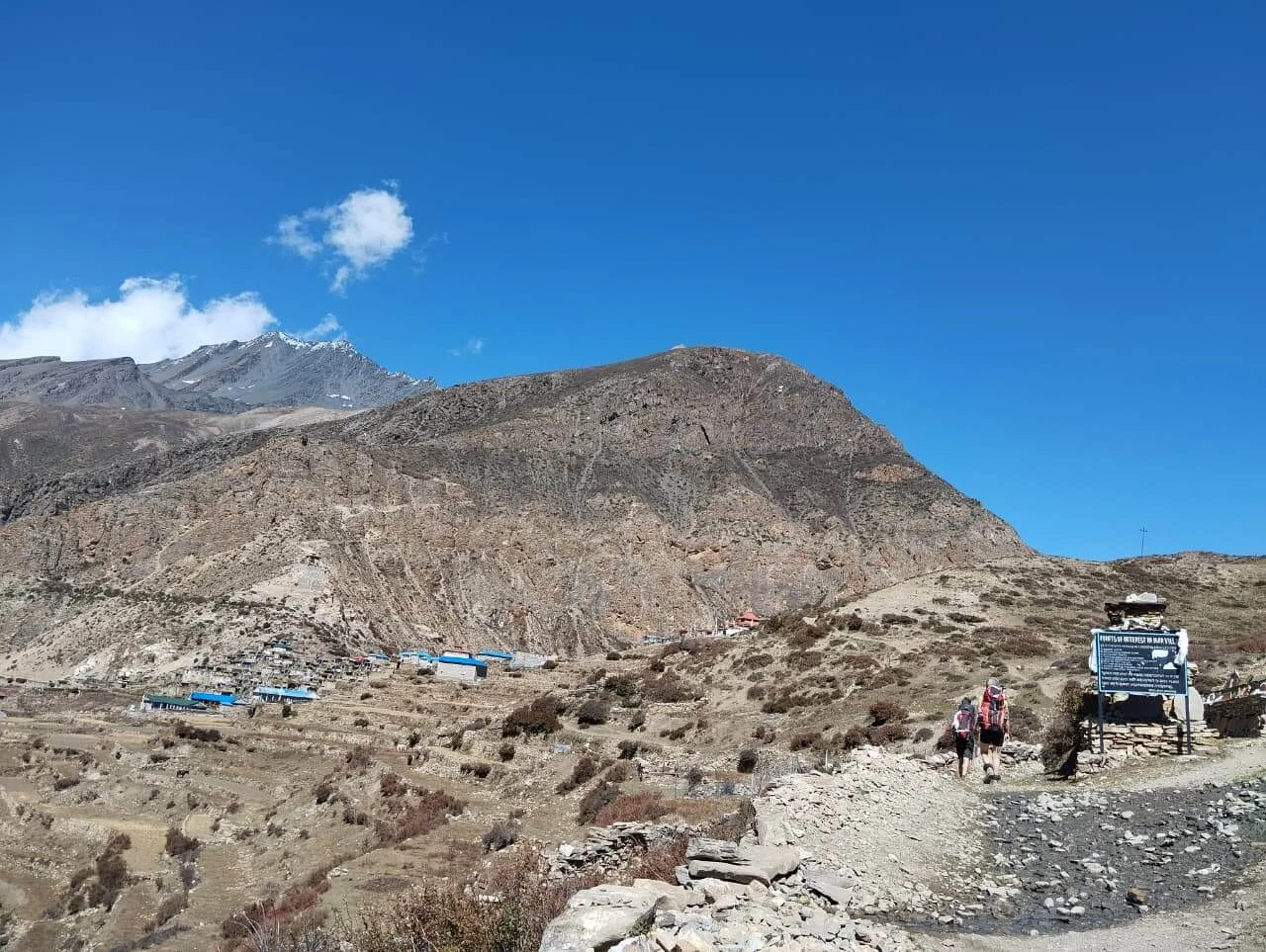
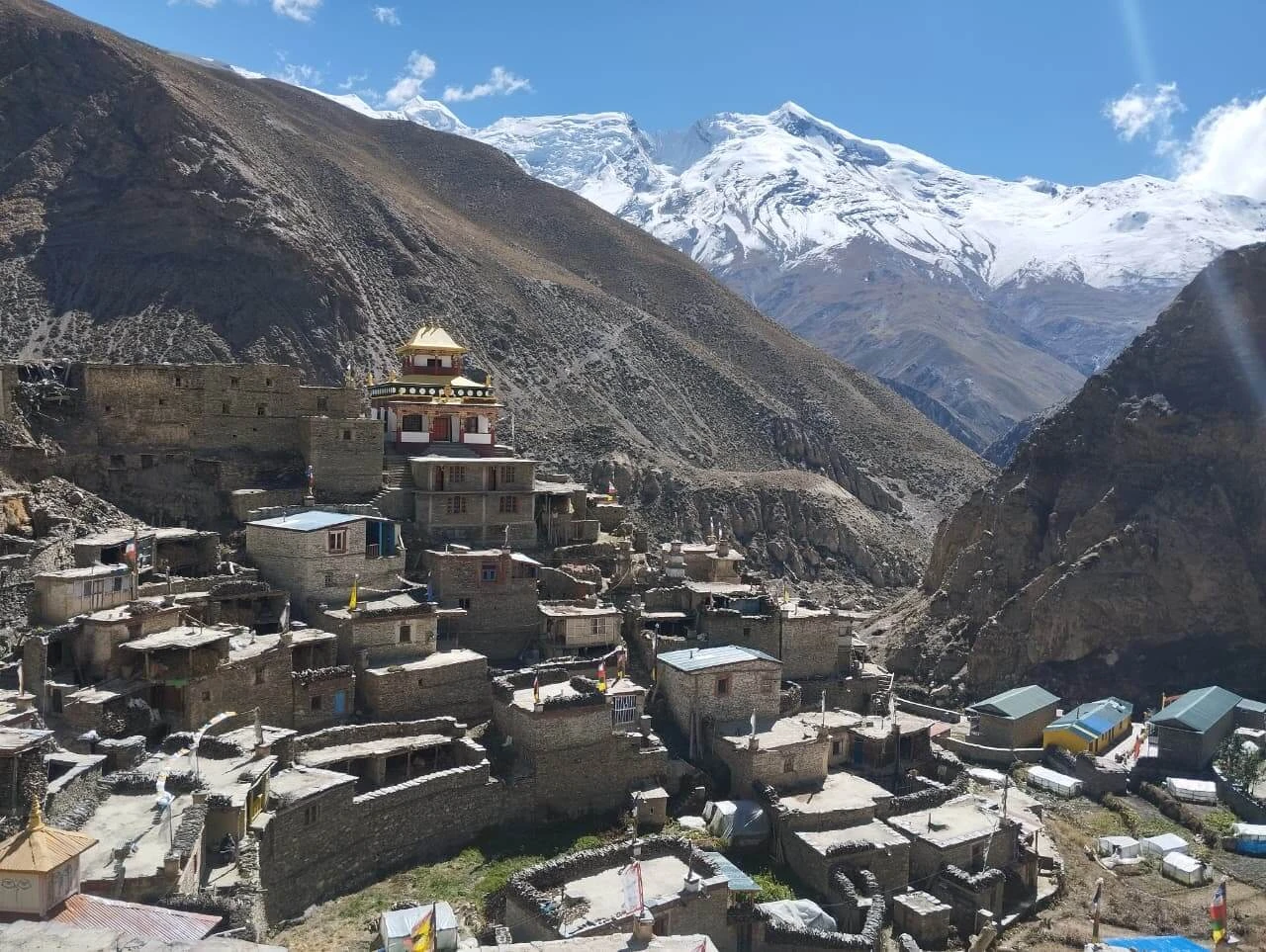
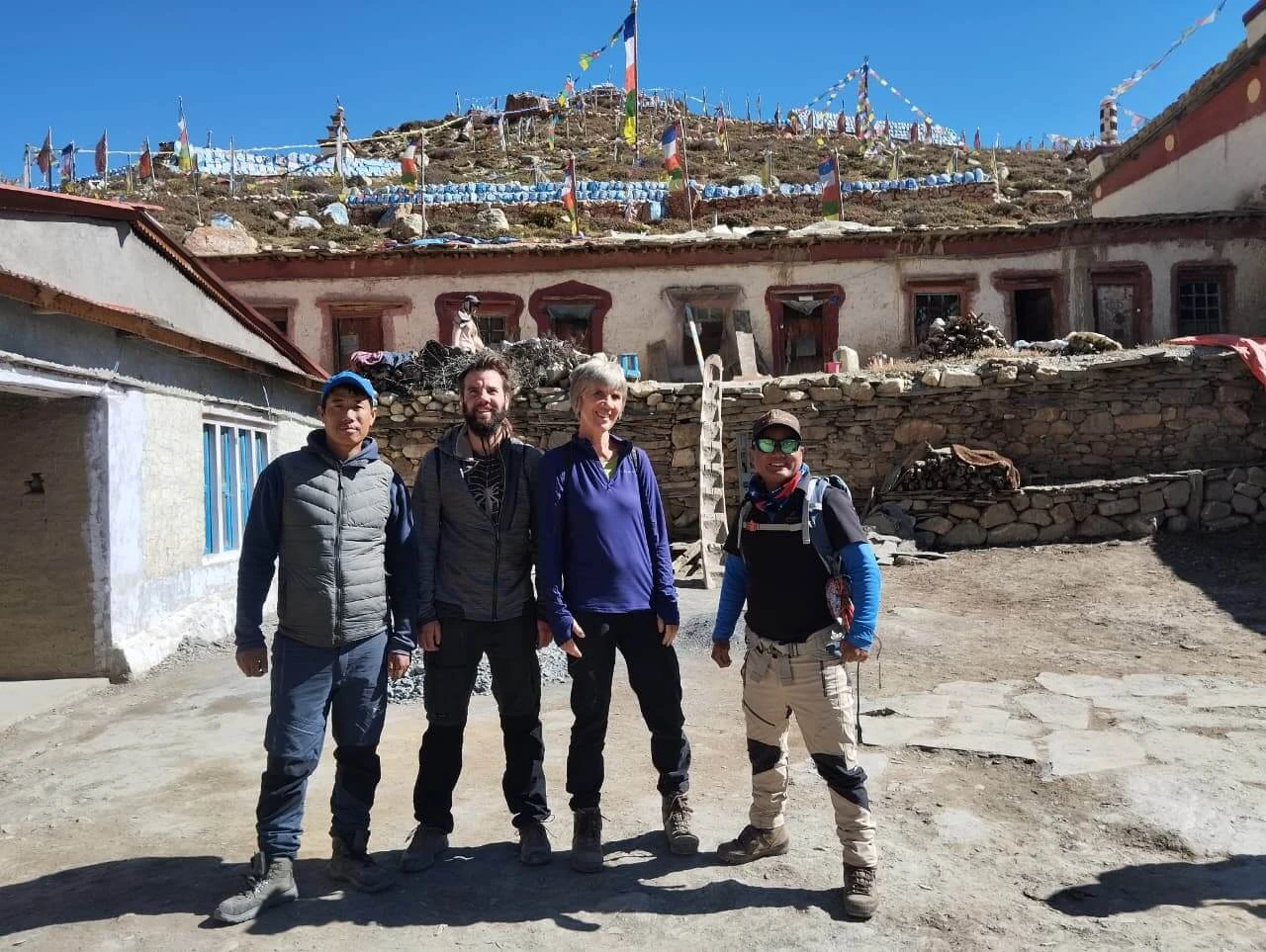
Your adventure begins with a drive to Jagat, followed by a trek through the lush Marsyangdi River Valley. Along the way, you’ll pass beautiful mountain villages, such as Dharapni, Chame, Upper Pisang, and Manang, where you’ll experience warm tea-house hospitality and stunning Himalayan scenery. As you climb higher, the forests gradually give way to rocky alpine terrain, making every day feel different from the last.
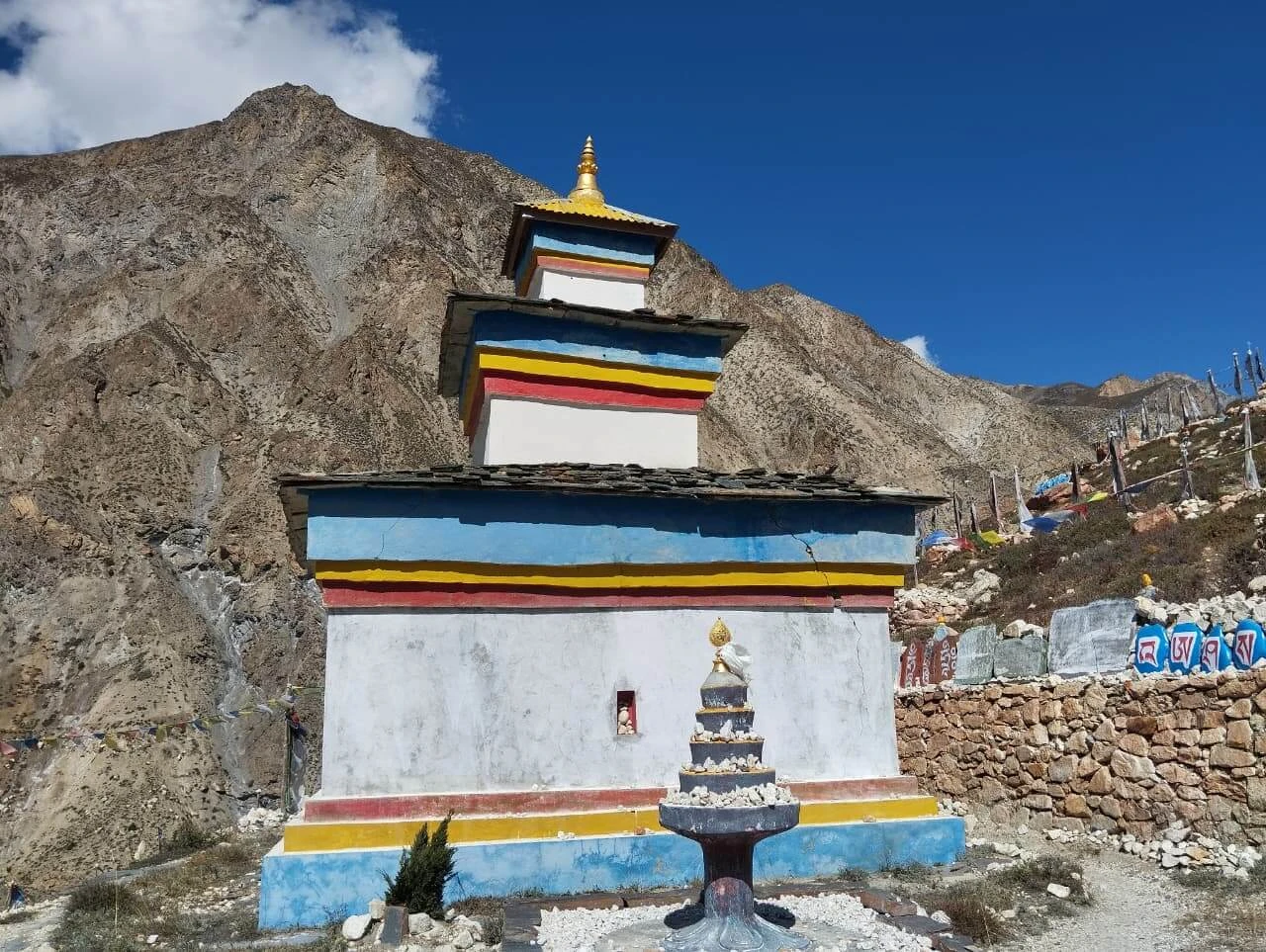
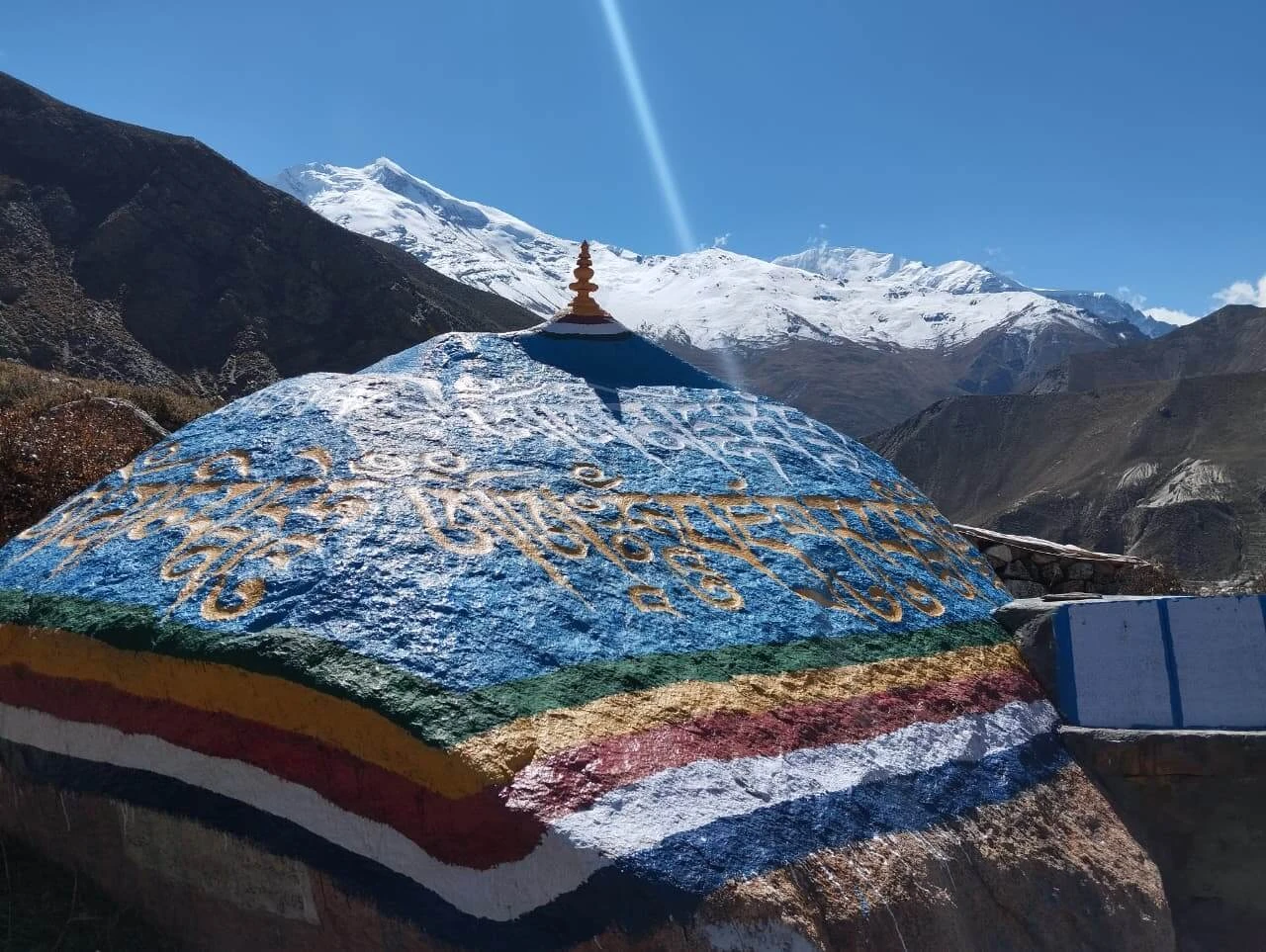
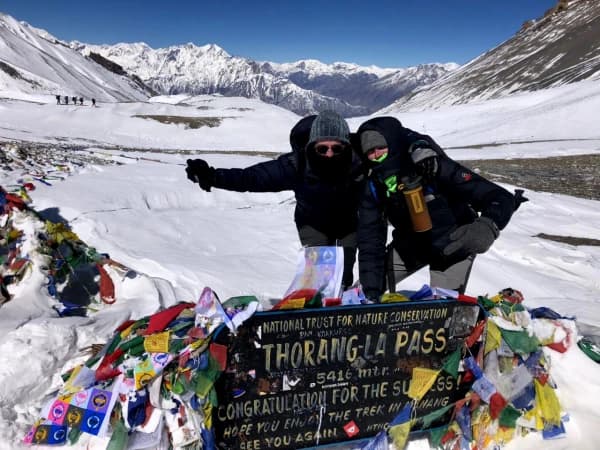
After spending a day acclimatizing in Manang, you’ll continue to Yak Kharka and Thorong Phedi before crossing the trek’s biggest highlight, Thorong La Pass. From there, the trail descends to the sacred town of Muktinath. It follows the spectacular Kali Gandaki Valley, where you’ll walk through charming Thakali villages, apple orchards, and one of the world’s deepest gorges.
Throughout the journey, you’ll be surrounded by some of Nepal's most iconic peaks, including:
- Annapurna I (8,091 m/26,545 ft)
- Dhaulagiri I (8,167 m/26,795 ft)
- Manaslu (8,163 m/26,781 ft)
- Gangapurna (7,455 m/24,459 ft)
- Machhapurchhre (Fishtail, 6,993 m/22,943 ft)
If you look at an Annapurna route map, you’ll notice that no two days are the same, and that’s exactly why this trekking trail is considered one of the best in the Himalayas.
Trek Distance & Walking Hours
One of the questions we hear most often is “How many hours will I be walking each day?” The good news is that the Annapurna Circuit Trek is designed to be done at a comfortable pace. Most days involve 4 to 7 hours of hiking, giving you plenty of time to enjoy the views, take breaks, and acclimatize properly, rather than rushing from one village to the next.
| Day |
Route |
Elevation |
Distance |
Walking/Driving Hours
|
| 1 |
Kathmandu to Jagat (Drive)
|
1,300 m (4,265 ft)
|
205 km (127 mi)
|
8 to 9 hrs (Drive)
|
| 2 |
Jagat to Dharapani
|
1,960 m (6,430 ft)
|
15 km (9.3 mi)
|
6 to 7 hrs
|
| 3 |
Dharapani to Chame
|
2,670 m (8,760 ft)
|
16 km (10 mi)
|
5 to 6 hrs
|
| 4 |
Chame to Upper Pisang
|
3,300 m (10,827 ft)
|
14 km (8.7 mi)
|
5 to 6 hrs
|
| 5 |
Upper Pisang to Manang
|
3,540 m (11,614 ft)
|
17 km (10.6 mi)
|
6 to 7 hrs
|
| 6 |
Acclimatization Day (Manang)
|
3,540 m (11,614 ft)
|
Optional 3–5 km (1.9–3.1 mi)
|
2 to 4 hrs
|
| 7 |
Manang to Yak Kharka
|
4,018 m (13,182 ft)
|
10 km (6.2 mi)
|
4 to 5 hrs
|
| 8 |
Yak Kharka to Thorong Phedi
|
4,450 m (14,600 ft)
|
8 km (5 mi)
|
4 to 5 hrs
|
| 9 |
Thorong Phedi to Thorong La Pass to Muktinath
|
5,416 m (17,769 ft)
|
16 km (9.9 mi)
|
7 to 9 hrs
|
| 10 |
Muktinath to Tatopani (Drive)
|
1,190 m (3,904 ft)
|
75 km (47 mi)
|
6 to 7 hrs (Drive)
|
| 11 |
Tatopani to Ghorepani
|
2,874 m (9,429 ft)
|
17 km (10.6 mi)
|
7 to 8 hrs
|
| 12 |
Ghorepani to Poon Hill to Tadapani
|
3,210 m (10,531 ft)
|
12 km (7.5 mi)
|
6 to 7 hrs
|
| 13 |
Tadapani to Jhinu Danda
|
1,780 m (5,840 ft)
|
10 km (6.2 mi)
|
5 to 6 hrs
|
| 14 |
Jhinu Danda to Nayapul to Pokhara
|
1,070 m (3,510 ft)
|
10 km (6.2 mi) trek + 42 km (26 mi) drive
|
3 to 4 hrs trek + 1.5 hrs drive
|
| 15 |
Pokhara to Kathmandu (Drive)
|
1,400 m (4,593 ft)
|
200 km (124 mi)
|
7 to 8 hrs (Drive)
|
| 16 |
Final Departure
|
- |
- |
- |
Overall, you’ll walk around 120 to 130 km (75 to 81 mi) during the trek, depending on optional side hikes. The daily trekking distance is well balanced, and the hiking hours gradually increase as you gain altitude, making it easier to acclimatize and enjoy the journey.
Accommodation & Meals
One of the nicest parts of trekking the Annapurna Circuit is ending each day in a cozy teahouse. They’re simple family-run lodges where you can enjoy a hot meal, chat with fellow trekkers, and get some well-earned rest. They aren’t luxury hotels, but after a full day on the trail, they feel surprisingly comfortable.
|
What to Expect
|
Details
|
|
Tea Houses
|
You'll stay in local tea houses throughout the trek. The owners are incredibly welcoming, and many trekkers say the hospitality is one of the best parts of the journey.
|
| Rooms |
Most rooms are twin-sharing with two single beds, blankets, and pillows. As you climb higher, the rooms become more basic, so bringing a warm sleeping bag is always a good idea.
|
| Bathrooms |
Lower down, you may find attached or Western-style bathrooms. Higher up, shared bathrooms are more common, and hot showers usually cost a small extra fee.
|
| Charging |
You can charge your phone or camera at most tea houses, but there's usually a small fee at higher elevations. A power bank will come in handy.
|
|
Wi-Fi & Internet
|
Many villages have Wi-Fi, but don't expect Netflix-speed internet. It works well enough for sending messages or checking in with family, though the connection gets slower as you gain altitude.
|
|
Trekking Food
|
You'll never go hungry! Dal Bhat, noodles, fried rice, pasta, momos, soups, eggs, pancakes, and porridge are available almost everywhere. And yes, Bhat usually comes with free refills.
|
|
Vegetarian & Vegan
|
Vegetarian meals are available at every tea house, and vegan options are easy to find if you let the kitchen know.
|
|
Drinking Water
|
Instead of buying plastic bottles every day, most trekkers refill their bottles with boiled or filtered water. It's cheaper and much better for the environment.
|
A quick tip before you head into the mountains: pack a warm sleeping bag, a power bank, and a reusable water bottle. These little things make a big difference once you’re on the trail.
Fitness Requirement & Preparation Level
You don’t need to be an athlete, but you should be fit enough to hike 5 to 7 hours a day on mountain trails for several days in a row to trek on the Annapurna Circuit. The biggest challenge is the high altitude, especially when crossing Thorong La Pass.
For this trek, start preparing 8 to 12 weeks before your travel date. Focus on cardio activities, like swimming, brisk walking, cycling, or jogging, and add leg-strength exercises, such as squats, lunges, and stair climbing. Weekend hikes with a light backpack are one of the best ways to build hiking stamina.
Weather, Terrain, & Daily Challenges
The Annapurna Circuit keeps you on your toes because the conditions change almost every day. You might start the morning in a warm valley wearing a light jacket and end the day pulling on every layer you packed. As you get closer to Thorong La, the air becomes thinner, the wind feels much colder, and temperatures can drop well below freezing before sunrise.
The trail is just as varied as the weather. You’ll walk on forest paths, rocky tracks, loose gravel, and long stone staircases. Near the pass, you may come across patches of snow or ice, depending on the season.
While this isn’t a technical glacier crossing of the Himalayas, you still require careful footing and a steady pace. That’s part of the difficulty in the mountain terrain of Nepal.
Mountain weather is so unpredictable and can change in a matter of hours; you’ll find the same circumstances here in the Annapurna Region. Pack in layers, carry good waterproof gear, and pack correctly using our Everest Trek packing list before you hit the trail.
Who Should Not Do This Trek
The Annapurna Circuit Trek is incredibly rewarding, but it isn’t the best choice for everyone. If this is your very first hike and you haven’t done any training, you may find the long walking days and high altitude more challenging than expected.
You should also think twice if you have a serious heart or lung condition, or if your doctor has advised against traveling to high altitudes. Since the trek reaches the world’s highest trekking pass, altitude sickness is a real risk, no matter how fit you are.
If you’re wondering about suitability when trekking in Nepal, here’s a simple rule: if you can comfortably hike for several hours a day, are willing to train beforehand, and enjoy being outdoors, you’re likely a good fit. Compared with the Three Passes Trek, the Annapurna Circuit is less demanding, making it a great choice for trekkers looking to build their Himalayan experience.
Just note that good preparation and a sensible pace matter far more than previous trekking experience.
Transportation
Getting to the Annapurna Circuit Trek is all part of the adventure. From the moment you land in Kathmandu, we'll take care of the logistics so you can focus on enjoying the journey. The roads can be long and winding, but they're packed with beautiful views of rivers, hills, and traditional villages that make the drive worthwhile.
Most trekkers begin with a drive from Kathmandu to Jagat via Besisahar. The journey usually takes 8 to 9 hours, depending on traffic and road conditions. You can travel by tourist bus if you're on a budget or choose a private jeep for a smoother and more comfortable ride.
Once the trip is over, you'll drive from Muktinath through Jomsom to Pokhara. If you're short on time, there's also the option of a scenic flight from Jomsom to Pokhara, but keep in mind that mountain flights depend heavily on the weather and can sometimes be delayed.
| Route |
Transport |
Travel Time
|
|
Tribhuvan International Airport to Hotel (Kathmandu)
|
Private vehicle
|
20 to 30 mins
|
|
Kathmandu to Besisahar
|
Tourist bus/Private jeep
|
6 to 8 hrs
|
|
Besisahar to Jagat
|
Shared or private jeep
|
2 to 3 hrs
|
|
Muktinath to Jomsom
|
Jeep |
1 to 2 hrs
|
|
Jomsom to Pokhara
|
Jeep
|
6 to 8 hrs
|
|
Jomsom to Pokhara (optional)
|
Flight |
Around 20 mins
|
|
Pokhara to Kathmandu
|
Tourist bus / Private vehicle
|
7 to 8 hrs
|
|
Pokhara to Kathmandu (optional)
|
Flight |
25 to 30 mins |
For most people, a private jeep is the most comfortable choice, especially on the rough mountain roads beyond Besisahar. If you're looking to save money, tourist buses and shared jeeps are reliable options too.
Thanks to improved Annapurna transportation, reaching the trailhead is much easier than it was a few years ago. And if you're short on time, some trekkers even take a jeep to Chame or Dharapani, Manang, to skip the lower road sections and start trekking higher up.
How Difficult Is The Annapurna Circuit Trek 16 Days
The Annapurna Circuit Trek 16 Days is best described as moderate to challenging. You don’t need any technical climbing skills, but you should be ready to hike 4 to 8 hours a day for almost two weeks. The toughest part is crossing Thorong La, where the thin air makes every step feel harder.
The trail is a mix of road, forest paths, rocky tracks, stone steps, suspension bridges, and steep climbs. On top of that, mountain weather can change quickly, so you’ll experience everything from warm sunshine to freezing mornings, especially at higher elevations.
The good news is that you don’t have to be an athlete. If you have decent trekking fitness and can comfortably walk for the mentioned time with a light backpack, you’ll be in good shape. A few weeks of hiking, jogging, cycling, or stair climbing before your trip will make the trek much more enjoyable.
The 16-day itinerary is popular for a reason: it gives your body enough time to acclimatize, making the trek safer, more comfortable, and far more enjoyable than rushing through it.
Altitude Sickness & Acclimatization
When people think about the Annapurna Circuit, they often worry about the long walking days. In reality, altitude sickness, or acute mountain sickness (AMS), is the greater concern. Since you’ll reach Thorong La, it’s important to give your body enough time to adjust, which is exactly why this 16-day itinerary includes an acclimatization day in Manang.
Watch For These Symptoms
The early signs of altitude sickness in Nepal are usually easy to spot:
- Headache
- Nausea or loss of appetite
- Dizziness
- Feeling unusually tired
- Trouble sleeping
If you notice any of these, tell your guide right away. It’s always better to speak up early than to ignore the symptoms.
How To Stay Safe
The best way to prevent AMS is surprisingly simple:
- Walk slowly, there’s no prize for being first.
- Drink 3 to 4 liters of water each day.
- Eat regular meals, even if you’re not very hungry.
- Avoid alcohol and cigarettes at higher elevations.
- Never skip the acclimatization day in Manang.
What If You Feel Unwell
Mild symptoms often improve with rest, but if they get worse, the safest option is to descend to a lower altitude. In serious cases, a helicopter evacuation may be necessary, which is why travel insurance that covers high-altitude trekking is strongly recommended.
Should You Take Diamox
Some trekkers carry Diamox (Acetazolamide) to help with acclimatization. It can reduce the risk of AMS, but it isn’t a replacement for ascending slowly. Always speak with your doctor before taking it, especially if you have allergies or other medical conditions.
The good news is that most trekkers complete the Annapurna Circuit without any major issues. Listen to your body, follow your guide’s advice, and stick to the itinerary. A slow pace is often the fastest way to reach the top safely.
Best Time To Trek
The Annapurna Circuit is open for most of the year, but each season offers a different experience. If you’re looking for clear mountain views, pleasant weather, and the best overall trekking conditions, spring and autumn are the clear winners. Here’s a quick comparison to help you decide which season suits you best.
|
Season
|
Temperature
|
Mountain Views
|
Crowd
|
Why You’ll Love It
|
Things to Keep in Mind
|
Major Festivals
|
|
Spring (Mar–May)
|
Mild days, chilly nights
|
Excellent |
Moderate
|
Rhododendrons in bloom, comfortable weather, beautiful landscape
|
A little busier in April and May
|
Nepali New Year
|
|
Summer (Jun
|
Warm and humid
|
Fair |
Low |
Green hills, peaceful trails, fewer trekkers
|
Rain, muddy trails, leeches, possible landslide
|
Janai Purnima
|
|
Autumn (Sep–Nov)
|
Cool and comfortable |
Excellent |
High |
Crystal-clear skies, stable Annapurna weather, perfect for photography |
Popular season, so tea houses can fill up |
Dashain & Tihar |
| Winter (Dec–Feb) |
Cold, especially above 3,500 m |
Very Good |
Very Low |
Quiet trails, snowy scenery, peaceful trekking |
Freezing temperatures and possible snow at Thorong La Pass |
Maghe Sankranti |
Our favorite? If it’s your first trekking season in Nepal, we’d recommend spring or autumn. You’ll enjoy the clearest mountain views, the most reliable weather, and the best chance of crossing Thorong La Pass comfortably. If you prefer fewer crowds and don’t mind colder temperatures, winter can also be a fantastic time to experience the Annapurna Circuit.
Required Permits
Before you hit the trail, you’ll need the right permits. Don’t worry, though, it’s a pretty straightforward process.
If you’re trekking with a registered company, they’ll usually take care of all the paperwork, so you won’t have to worry about standing in line or filling out forms yourself. Just keep in mind that permit rules and fees can change, so it’s always a good idea to check the latest updates before your trip.
| Permit |
Who Needs It?
|
Cost |
|
Annapurna Conservation Area Permit (ACAP)
|
All foreign trekkers
|
NPR 3,000 per person
|
Where Do You Get the Permits
If you’re booking through a trekking agency, they’ll usually arrange your Annapurna permit before the trek begins. If you’re planning everything on your own, you can get the ACAP permit from the Nepal Tourism Board office in Kathmandu or Pokhara.
What Will You Need
The paperwork is simple. Just make sure you have:
- Your passport
- A valid Nepal visa
- A passport-sized photo (if requested)
- The permit fee
Where Are Permits Checked
You’ll come across a few checkpoints along the route, including Besisahar, Dharapani, Chame, Manang, and Muktinath. Keep your permits and passport somewhere easy to reach, as you’ll be asked to show them during the trek.
Once the permits are sorted, you’re all set to enjoy the Annapurna Circuit. It’s a small step before the adventure begins, but an important one.
Travel Insurance
It’s easy to overlook travel insurance when you’re planning a trek, but it’s something you’ll be glad to have if things don’t go as planned. Since the Annapurna Circuit Trek crosses Thorong La Pass (5,416 m/17,769 ft), your insurance should cover high-altitude trekking up to at least 5,500 m (18,045 ft) or ideally 6,000 m (19,685 ft) to give you a little extra peace of mind.
Before you buy a policy, make sure it includes:
- Emergency helicopter evacuation
- Medical treatment, including altitude sickness (AMS)
- Hospital and emergency medical expenses
- Trip cancellation or interruption
- Lost, stolen, or delayed baggage
- High-altitude trekking coverage above 5,500 m
One thing that’s easy to miss is the altitude limit. Many standard travel insurance policies only cover trips up to 3,000 to 4,000 m, which isn’t enough for the Annapurna Circuit. Always read the policy carefully so you know exactly what’s covered before you leave home.
Hopefully, you’ll never need to use your insurance. But if you do experience a medical emergency or develop severe altitude sickness, having the right cover can make all the difference. For more tips on staying healthy at high altitude, be sure to read our Altitude Sickness & Acclimatization guide.
Essential Travel Information For The Annapurna Circuit Trek 16 Days
A few small things can make a big difference on the trail. Here’s what you should know before you set off, so there are no surprises along the way.
| Topic |
What You Should Know |
| Currency & ATMs |
Carry enough Nepalese Rupees before you leave Pokhara or Besisahar. ATMs become very limited once you’re on the trail, and many villages are cash only.
|
|
Internet & Wi-Fi
|
Most tea houses offer Wi-Fi, but it’s usually slow and often comes with a small fee. Think of it as good enough for WhatsApp, not for streaming videos.
|
|
Mobile Network
|
A local NTC SIM generally has better coverage than Ncell, but don’t expect a signal everywhere. It’s completely normal to lose service at higher elevations.
|
|
Charging Facilities
|
You can charge your phone or camera at most tea houses, although there’s usually a small fee as you climb higher. A power bank is one of the best things you can pack.
|
|
Drinking Water
|
Bring a reusable water bottle and refill it with boiled or filtered water. It’s cheaper than buying bottled water every day and much better for the environment.
|
|
Hot Showers
|
Most villages have hot showers, but they usually cost extra. The higher you go, the more you’ll pay, so don’t be surprised!
|
|
Laundry
|
Laundry is available in bigger villages like Manang and Jomsom. Many trekkers simply wash a few clothes by hand during the trek.
|
|
Electricity
|
Most tea houses have electricity from solar panels or small hydropower stations. Power cuts can happen, so charge your devices whenever you get the chance.
|
|
Local Culture & Etiquette
|
A smile and a simple “Namaste” go a long way. Dress respectfully, ask before taking photos of people, and be mindful when visiting monasteries and other religious sites.
|
| Tipping |
Tipping your guide and porter isn’t compulsory, but it’s a nice way to thank them for their hard work if you’ve had a great experience.
|
|
Emergency Contacts
|
Save your guide’s phone number, your insurance emergency hotline, and a family contact before the trek. Mobile service isn’t always reliable in the mountains.
|
|
Sustainable Trekking Tips
|
Carry a reusable bottle, avoid single-use plastics, stay on marked trails, and support local tea houses whenever possible. Small actions help keep the Annapurna region beautiful for everyone. |
None of these things is difficult to manage, but knowing them in advance will make your trek much smoother. A little planning means you can spend less time worrying about the basics and more time enjoying the incredible mountain views.
Guide Vs Independent Trek
Choosing between a guided trek and trekking on your own really comes down to your travel style. Some people love having a local guide who takes care of everything, while others enjoy planning every detail themselves.
However, it’s important to know that trekking regulations in Nepal can change, and current rules for foreign trekkers may require a licensed guide on the Annapurna Circuit. Consequently, it’s always worth checking the latest updates before you travel.
|
Factor
|
Guided Trek
|
Independent Trek
|
|
Cost
|
Costs a bit more, but your guide handles the logistics, making the trip much less stressful.
|
Usually costs less, but you’ll organize everything yourself.
|
|
Safety
|
Great if it’s your first trek or you’re worried about altitude. Your guide can help if plans need to change.
|
You’re responsible for navigation, weather decisions, and handling emergencies.
|
|
Navigation
|
Just enjoy the walk—your guide knows the trail, tea houses, and the best places to stop. |
You’ll rely on maps, GPS apps, and trail signs.
|
|
Regulations
|
Meets the latest trekking requirements and permit procedures.
|
Depending on the latest regulations, foreign trekkers may need a licensed guide on the Annapurna Circuit, so always check before your trip.
|
|
Experience
|
Learn about local culture, traditions, wildlife, and mountain life from someone who knows the region well.
|
A more independent experience, but you’ll miss out on many local stories and insights.
|
|
Local Knowledge
|
Guides know the best viewpoints, tea houses, and alternative routes if the weather changes.
|
Most information comes from maps, guidebooks, or other trekkers.
|
|
Flexibility
|
Your guide can adjust the pace while taking care of accommodation and daily planning.
|
You decide your own schedule, as long as it complies with current trekking regulations. |
There’s no right or wrong choice; it really depends on what you’re looking for. If you want a relaxed trip where someone else handles the planning, a guided trek is hard to beat.
If you prefer more independence, solo trekking in Nepal can be appealing, but be sure to check the latest rules before you go. At the end of the day, the goal is the same: enjoy the Annapurna Circuit safely and make some unforgettable memories.
Annapurna Circuit Vs Other Treks
Every trek in Nepal has its own personality. Some are all about reaching the highest peaks, while others focus on culture, remote landscapes, or peaceful trails.
So, instead of asking “Which trek is the best?”, it’s better to ask “Which trek is the best for me?” If you’re looking for a little bit of everything, mountain passes, traditional villages, forests, rivers, and ever-changing scenery, the Annapurna Circuit is one of the most complete trekking experiences in Nepal.
| Trek |
Duration |
Difficulty |
Max Altitude
|
Best For
|
|
Annapurna Circuit
|
16 Days
|
Moderate–Challenging
|
Thorong La (5,416 m/17,769 ft)
|
Trekkers who want a mix of landscapes, culture, and a classic Himalayan adventure
|
|
Annapurna Base Camp Trek
|
7 to 12 Days
|
Moderate
|
ABC (4,130 m/13549.87 ft)
|
Those with less time who want incredible mountain views up close
|
|
Everest Base Camp Trek
|
12 to 14 Days
|
Moderate–Challenging
|
Kala Patthar (5,644 m/18,519 ft)
|
Anyone dreaming of seeing Mount Everest and experiencing Sherpa culture
|
|
Manaslu Circuit Trek
|
14 to 18 Days
|
Challenging
|
Larkya La (5,106 m/16,752 ft)
|
Experienced trekkers looking for fewer crowds and a more remote journey
|
|
Langtang Valley Trek
|
7 to 10 Days
|
Moderate
|
Tserko Ri (5,033 m/16,512 ft)
|
Beginners, families, and trekkers looking for a shorter Himalayan adventure
|
|
Upper Mustang Trek
|
10 to 14 Days
|
Moderate |
Dhakmar (3,810 m/12,500 ft)
|
Travelers interested in Tibetan culture, ancient monasteries, and unique desert-like landscapes |
Why Book With Us
Planning a trek in the Himalayas is exciting, but choosing the right team is just as important as choosing the right trail. We’re here to make your journey as smooth, safe, and enjoyable as possible, so you can focus on the experience while we take care of the details.
- We’re a local trekking company: Based in Nepal, we know these mountains, the trails, and the local communities better than anyone.
- Experienced local guides: Our licensed guides aren’t just there to show the way; they’re there to keep you safe, share local stories, and help you get the most out of your trek.
- Safety always comes first: We keep a close eye on weather, trail conditions, and altitude, and we’re prepared to respond quickly if plans need to change.
- No hidden cost: We believe in transparent pricing, so you’ll know exactly what’s included before you book.
- Small groups, better experience: Smaller groups mean a friendlier atmosphere, a comfortable pace, and more personal attention from your guide.
- Trips that fit you: Want to add extra days, travel privately, or customize your itinerary? We’re happy to make it happen.
- Support whenever you need it: From your first inquiry until you’re back home, our team is just a message or phone call away.
- Responsible travel matters: We work with local guides, porters, tea houses, and businesses because supporting local communities is an important part of every trek.
- Trusted by travelers: Many of our guests come through recommendations and positive reviews, and we’re proud that so many choose to travel with us.
- Flexible booking: We know plans can change, so we’ll always do our best to help if you need to adjust your dates or itinerary.
If you have any questions about the trek, permits, or itinerary, don’t hesitate to get in touch through our Contact Us page. We’d love to help you plan an unforgettable Annapurna Circuit adventure.
Is The Annapurna Circuit Trek 16 Days Right For You
If you’re looking for a trek that offers stunning mountain scenery, diverse landscapes, rich culture, and just the right amount of challenge, the Annapurna Circuit Trek for 16 Days is hard to beat. The itinerary is carefully planned to give you enough time to acclimatize, making the journey safer and far more enjoyable.
All you need is a reasonable level of fitness, the right preparation, and a sense of adventure. Once you’ve sorted your permits, picked the best season, and packed your gear, you’re ready for an unforgettable experience.
Ready to book the Annapurna Circuit Trek? Get in touch with us today to customize your trekking package in Nepal, and we’ll help you plan a trip that fits your schedule, budget, and travel style.