Introduction
Situated in the Khumbu Region of Solukhumbu District, Koshi Province, eastern Nepal, Sagarmatha National Park is one of the country's UNESCO World Heritage Sites and a world-famous Himalayan Park located in the heart of the Khumbu Valley. It is home to:
- The world's highest peak, Mount Everest (8,848.86 m/29,031 ft)
- Rich Himalayan biodiversity, including Himalayan black bears, marmots, martens, snow leopards, and red pandas
- Blue pine, silver fir, and birch-rhododendron forests
- The unique Sherpa community and culture
Thousands of trekkers, climbers, and nature enthusiasts visit this renowned Everest trekking destination every year to explore its spectacular Himalayan landscapes, scenic Everest trails, and world-class high-altitude trekking routes. Many also attempt to reach the summit of Mount Everest, making the park one of the world's most iconic centres for mountaineering and adventure travel.
If you're planning to explore the Everest Region in 2026, our Everest Base Camp Trek offers an unforgettable Everest trekking experience through Sherpa villages, alpine forests, glaciers, and breathtaking mountain scenery. This high-altitude adventure is moderately challenging and showcases some of Nepal's most spectacular Himalayan views.
Trekking In Sagarmatha National Park
There are a few legendary trekking routes within the national park area, such as the classic Everest Base Camp (EBC) Trek, the scenic Gokyo Lakes Trek, and the short Everest Panoramic Views Trek. These are once-in-a-lifetime Himalayan adventures that you certainly don’t want to miss.
During these journeys, you hike through beautiful Sherpa villages, rhododendron forests, and massive moraines. However, one thing to keep in mind is that you don’t just get such high-altitude landscapes easily; you’ll need to build cardiovascular endurance to handle the physical challenge. With good physical preparation, these tea house treks are doable even for first-time hikers.
Popular Treks
EBC Trek
Among them, the EBC Trek is the most popular itinerary, and everyone dreams of reaching the foot of the world's highest mountain.
- Duration: 14 days
- Max elevation: 5,364 m (17,598 ft) at Everest Base Camp (and 5,550 m at Kala Patthar)
- Difficulty: Moderate to Challenging
During the journey, you’ll visit some remarkable Sherpa landmarks, such as Namche Bazaar (the bustling Sherpa hub), Hotel Everest View (the world’s highest-placed hotel), and Tengboche Monastery (the spiritual heart of the Khumbu), before reaching the base camp.
It’s one of the best trekking experiences in the Everest Region that you can ever have in your life. Nevertheless, you should also be prepared for the trail to get crowded and busy during the peak trekking seasons of spring and autumn.
Gokyo Lakes Trek
The Gokyo Lakes Trek is the best alternative to the EBC Trek in the Khumbu Region for trekkers seeking a quieter trail.
- Duration: 16 days
- Max elevation: 5,357 m (17,575 ft) at Gokyo Ri
- Difficulty: Moderate to Challenging
Here, you can expect to encounter fewer crowds on the route. Once you reach the Gokyo Valley by facing some steep and demanding high-altitude climbs, you’ll be rewarded with views of the stunning oligotrophic blue lakes and the surrounding 8,000-metre peaks like Cho Oyu.
Everest Panorama Trek
The Everest Panorama Trek is a short and beginner-friendly journey in the area, best for families with kids and elderly travellers.
- Duration: 9 days
- Max elevation: 3,962.4 m (13,000 ft) at Tengboche
- Difficulty: Moderate
You can enjoy the panoramic views of Mount Everest, Lhotse, and Ama Dablam from the Hotel Everest View without having to reach the base camp.
Difficulty Level
Overall, the difficulty level of these Himalayan treks is moderate to challenging. You’ll need to hike 5 to 8 hours every day, especially during the EBC and Gokyo Lakes circuits. Regarding the terrain, you can expect stone steps, rugged rocky trails, and slippery glaciers at higher altitudes.
Acute Mountain Sickness (AMS) in the Everest Region is common, making it the biggest challenge during these journeys. It usually starts to occur at altitudes above 2,500 m (8,202.1 ft). The higher you go, the lower the atmospheric pressure and oxygen levels, making you walk slowly and tire quickly.
Trekking Experience
Your journey begins in sub-alpine green forests, then slowly enters the raw alpine terrain above the tree line. Along the way, standard tea houses and trekking lodges are available. Up to Namche, you can find budget to luxury mountain lodges, and after that, you can expect only simple accommodation facilities.
Every day you’ll experience a gradual climb, stunning panoramas, and thinner air. However, at lower air pressure, you may find it difficult to breathe even in the easier sections due to decreased oxygen saturation.
Nights and early mornings are definitely freezing. The weather is also mostly unpredictable in the high Himalayas.
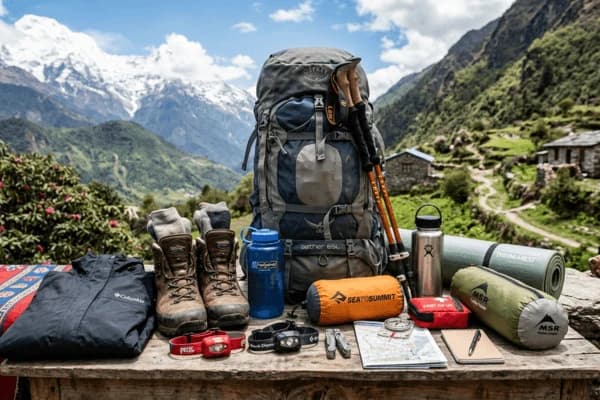
When trekking within the Sagarmatha National Park area, you won’t only experience a physical challenge but also a mental one. Hence, good preparation, proper trekking gear, and staying updated with the weather forecast are a must to avoid any unwanted circumstances.
What Beginners Should Expect
Although trekking here is challenging, you don’t need to be an elite athlete or regular hiker. Nevertheless, you must do some basic aerobic conditioning and leg-strengthening exercises at least a month prior to your travel date for a better experience.
Don’t skip the essential acclimatisation days after reaching 3,000 m (9,842.52 ft) during the trek. No matter what, walk slowly ("Bistari, Bistari", as the locals say). If you rush, the risk of altitude sickness increases.
Routes & How To Reach Sagarmatha National Park
Reaching this iconic UNESCO World Heritage Site requires careful planning, as there are no direct drivable roads leading into the heart of the upper Khumbu Valley. Travellers must choose between a scenic domestic flight paired with high-altitude trekking or embark on an extended, classic overland expedition.
Here is a breakdown of the primary transport routes and trailhead access points:
Kathmandu To Lukla (The Standard Trekking Route)
This is the classic gateway to Everest chosen by the vast majority of international adventurers.
- Flight Departure: Take a scheduled flight from Tribhuvan International Airport (TIA) in Kathmandu. Note that during peak trekking seasons (Spring and Autumn), flights are regularly diverted to Manthali Airport in Ramechhap to manage air traffic congestion.
- Flight Duration: Approximately 30 to 35 minutes from Kathmandu, or a quick 18 to 20 minutes if flying out of Ramechhap.
Once you touch down at Tenzing-Hillary Airport in Lukla, your foot journey begins immediately along the phased itinerary below:
- Day 1: Descend through local Sherpa hamlets to Phakding.
- Day 2: Trek along the Dudh Koshi River to reach the vibrant hub of Namche Bazaar.
- Day 3: Clear your mandatory trekking permits at the official Monjo Entrance Checkpoint to enter Sagarmatha National Park.
Realistically, it takes 2 to 3 days of steady hiking to clear the park gates after your flight lands. Because mountain weather is highly unpredictable, it is vital to factor 1 to 2 contingency buffer days into your travel schedule and secure your Lukla flight booking well in advance.
Trek Routes From Lukla
Once inside the protected area boundaries, vehicular transport is non-existent, and all logistics rely on foot travel or mule trains.
The main arterial trails branching out include:
- The Classic Everest Base Camp (EBC) Itinerary
- The Gokyo Lakes and Cho La Pass Route
- Short Luxury Panorama Treks around Namche
All of these primary alpine routes converge at Namche Bazaar, the central commercial and acclimatization hub of the entire Khumbu Region.
The Classic Jiri Route (The Pioneer Heritage Trail)
For trekkers with extended vacation windows seeking a deep, unhurried cultural experience, this is the historic path walked by early mountaineering expeditions.
- Overland Transport: Take a 7 to 10-hour drive from Kathmandu to the Jiri trailhead.
- Foot Journey: Trek through the lower Solukhumbu foothills to intercept the main trail below Lukla.
Opting for this classic approach adds roughly 7 to 10 additional hiking days. This alternative route offers uncrowded trails, pristine local culture, and an exceptional natural acclimatization profile, though it demands high physical endurance.
Alternative Overland Route (Salleri/Phaplu to Lukla)
This serves as an excellent, cost-effective road transport backup if bad weather causes flight cancellations at the airport.
- Jeep Drive: Embark on a 10 to 15-hour drive from Kathmandu to Salleri or Tham Danda via private or shared jeep.
- Trail Connection: Trek northward for a few days to smoothly merge with the main Everest base camp trail.
This flexible alternative adds about 3 to 5 days of sub-alpine trekking to your total itinerary duration.
Cost Of Trekking In Sagarmatha National Park
Calculating your total Everest Base Camp trek cost requires evaluating several moving parts. While a Himalayan expedition is an investment, it remains highly manageable with proper budget planning. Your final expenses will ultimately depend on your preferred comfort tier (independent trekking vs. all-inclusive tour packages), your total itinerary duration, and whether you choose to hire local mountain guides and porters.
Here is a comprehensive breakdown of the essential trekking expenses:
Permit Fees (Fixed Government Regulations)
- Sagarmatha National Park Entry Permit: NPR 3,000 per person for foreign nationals (NPR 1,500 per person for SAARC citizens).
- Khumbu Pasang Lhamu Rural Municipality Regional Fee: NPR 2,000 per person, which is collected directly at the local government checkpoints in Lukla or Monjo.
-
Total Entry Fees: Roughly NPR 5,000 per trekker. (Note: The standard TIMS card is no longer mandatory for this specific route).
Guide & Porter Cost (Trekking Logistics)
- Licensed Trekking Guide: $25 to $35 per day.
- Experienced Porter: $20 to $25 per day.
Hiring local staff is highly recommended, especially for first-time trekkers, to ensure proper altitude acclimatization, trail navigation, and emergency support.
Food & Accommodation (Teahouse Logistics)
- Standard Teahouse Accommodation: $5 to $20 per night for a twin-sharing room.
- Daily Meal Budget: $15 to $25 per day for classic Himalayan trekking food (like Dal Bhat) and hot beverages.
Keep in mind that prices scale upwards alongside your altitude gains, as all supplies must be transported up via mule trains or porters.
Total Estimated Budget (Real Price Range)
- Budget Independent Trek: $500 to $800
- Standard Tea House Itinerary: $900 to $1,500
- Luxury Trekking Package: $2,000+
Your average daily expenditure will range from $40 to $150+, completely depending on your choice of amenities and services.
Looking for a complete financial breakdown? Check out our deeply detailed, comprehensive Everest trekking cost guide.
Practical Cost Mitigation Tips
- Base prices naturally surge during peak trekking seasons (Spring and Autumn) due to increased logistical demand.
- Choosing a group itinerary allows you to share the daily fees of your trekking crew, lowering your overhead.
- Always maintain an emergency cash reserve for contingency buffer days, as high-altitude mountain weather regularly causes flight delays at the Lukla airport.
- While managing a budget itinerary is fully possible, allocating a slightly higher financial safety net ensures a much smoother, safer, and more memorable experience in the Everest Region.
Best Time To Visit Sagarmatha National Park
If you’re analyzing the optimal weather windows about when to visit here for panoramic mountain views and favorable trail conditions, let me make it easy for you. You may plan to go in spring or in autumn, as these are the primary peak seasons to visit Sagarmatha National Park. The other two times of year, winter (December to February) and summer/monsoon (June to August), are the low-occupancy off-seasons.
Spring (March to May)
Spring offers warm days, vibrant alpine trails with blooming rhododendron, and long daylight hours, making it the best season for Himalayan trekking in Nepal. However, at night and in the early morning, don’t mind the sub-zero temperatures; instead, come with full technical gear preparation.
Autumn (September To November)
Autumn is the best season for the classic Everest Trek and is also considered the ultimate peak season for trekking throughout the country, as it offers stable weather, lush green landscape, crisp high-altitude air, and crystal-clear skies, thanks to the monsoon rain that washes away all the dust and haze.
Nevertheless, during this time of year, popular trekking trails get crowded, and local teahouses/lodges get busy. Also, night and early morning are even colder than in spring, as it’s the pre-winter season, but highly manageable with good layering and sleeping bag preparation.
Winter (December To February)
In winter, the temperatures are extreme at night and in the early morning with heavy snowfall. You may find it difficult due to the freezing high-altitude cold, and snow is likely to block the route of the Everest Base Camp Trek and other demanding passes like Cho La within the national park area.
Despite the freezing conditions at night, the snow-covered views of the Himalayas can be rewarding for you during the day if there’s no snowfall. If you’re an experienced hiker and can manage sub-zero alpine weather, then you may plan to visit the area during this period as well.
Monsoon (June To August)
The rainy season isn’t recommended, not even for experienced hikers. During this time of year, the weather is highly unstable, causing heavy rainfall at lower altitudes, and the danger of landslides and floods is also great. Additionally, flight cancellations at Lukla Airport due to poor visibility are frequent. However, when there’s no rain and the weather is sunny, the region’s landscape appears exceptionally green.
Permits, Rules, & Safety Tips
Before you step into Sagarmatha National Park, there are a few things you must know: permits, rules, and safety aren’t optional here.
Here’s a simple checklist:
Permits
- Sagarmatha National Park permit: NPR 3,000 per person for others, NPR 1,500 per person for SAARC nationals
- Khumbu Pasang Lhamu Rural Municipality permit: NPR 2,000 per person
In total, it’s around NPR 5,000 to 6,000. You can get them in Kathmandu, Lukla, or the Monjo checkpoint. Just don’t miss these permits before entering.
TIMS Card (Latest Update)
A Trekkers’ Information Management System (TIMS) card isn’t required anymore in the Everest region, as it’s replaced by the local Khumbu permit. Yet, many people still get confused about this. So, you may skip it here.
Basic Trekking Rules
- Always carry permits (checked at multiple points).
- Stay on marked trails (no shortcuts, risk of getting lost).
- Respect local culture (monasteries, villages, and traditions).
- Don’t litter (strict rules with fines in some areas).
Altitude Sickness Tips (Real Talk)
- Go slow (gain altitude gradually).
- Take acclimatization days seriously (in Namche and Dingboche).
- Drink 3 to 4 liters of water daily.
- Avoid alcohol at higher altitudes.
If symptoms get worse, descend immediately.
Common symptoms are headache, nausea, dizziness, trouble sleeping, and lack of appetite.
Safety Tips (From Experience)
- Start early every day (weather changes fast after noon).
- Keep buffer days (flight delays due to the weather are normal).
- Don’t push too hard; altitude doesn’t care about fitness.
- Travel insurance with helicopter evacuation is a smart move.
Why Visit Sagarmatha National Park
Sagarmatha National Park is one of Nepal’s UNESCO World Heritage Sites, home to Mt. Everest, diverse forests of rhododendron and other wild flowers, and endangered species such as the snow leopard and red panda. Besides, it also offers the opportunity to experience the unique culture and tradition of the Sherpa. If you’re excited about visiting this area soon, you can check out our EBC Trek package.