

The best time to trek the Annapurna Circuit depends entirely on individual priorities such as weather stability, crowd levels, and specific trekking goals, with October and November offering the optimal combination of clear skies, excellent mountain visibility, and safe trail conditions for most hikers.
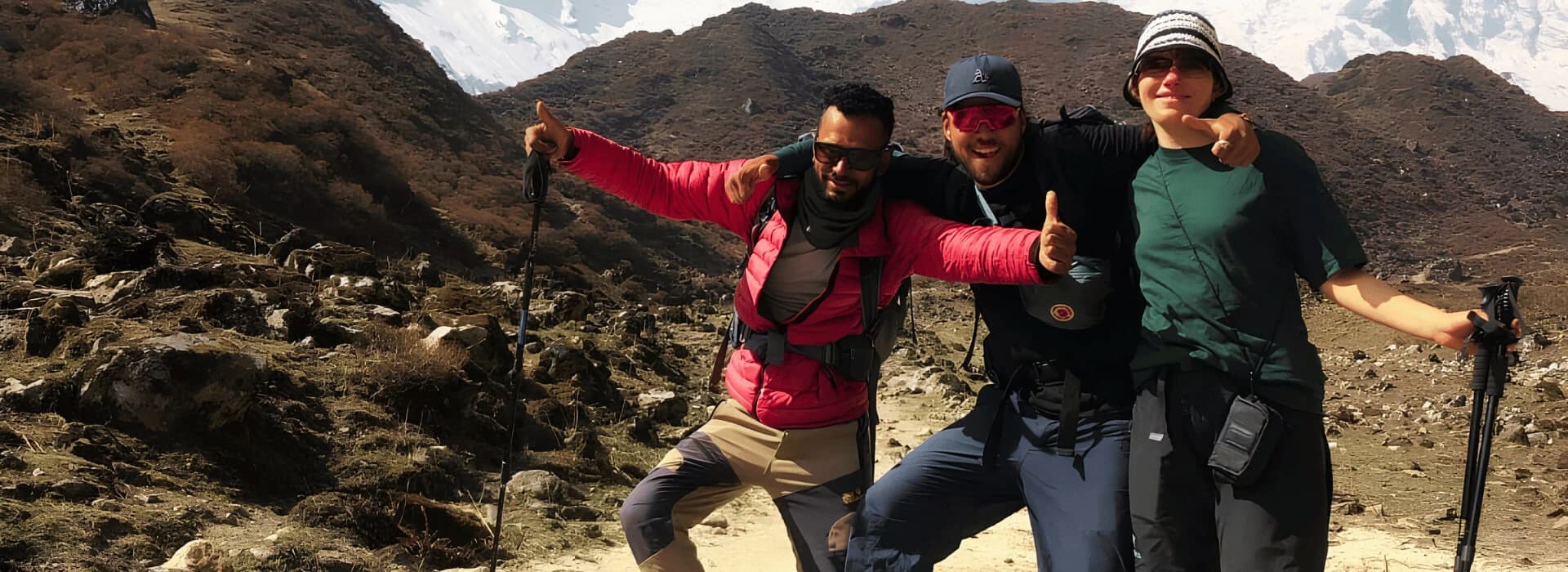
Best Time to Trek Annapurna Circuit: The Ultimate Weather & Season Guide

Introduction
When is the best time to trek the Annapurna Circuit? For many trekkers, the months of October and November promise the best weather, views and trail conditions; but, to be honest, the ‘best’ month is dependent on the trekkers’ goals.
Choosing the right time of the year to trek is possibly the most important decision to be made when planning the trek. When choosing the right time, trekkers can expect to encounter pleasant weather and stunning views of Annapurna and Dhaulagiri, comfortable accommodations, and safe route conditions.
Weather conditions on a trek are not only a guarantee of comfort. The snow accumulation at Thorong La Pass (5,416m) may mean that the trek becomes dangerous or even impossible. The monsoon precipitation may result in landslides on the trail sections. Winter cold may lead to frostbite and even altitude problems. Each seasonal decision that you make may change your risk level.
For the same reason, no particular month is beneficial or appropriate for all travelers. A photographer in quest of clear summits and skies requires a different nature from a thrifty backpacker who seeks a serene and quiet travel experience. At the same time, a hiker with little time has constraints different from those of a retiree enjoying free time for travel.
In this guide, we will dissect the trek into months and by season, discussing weather conditions, temperatures, trail conditions, Thorong La Pass open/closed, mountain views, the busyness of the trails and estimated costs so you can align your hike with your personal priorities instead of following generic trekking advice. The more detailed breakdown of estimated costs based on when you travel can be found in the Annapurna Circuit Cost guide.
Quick Answer
Short on time? Here's the answer in one table.
| Question |
Quick Answer |
|
Best overall time |
October–November |
|
Best spring months |
March–April |
|
Best weather |
October |
|
Best mountain views |
October–November |
|
Best rhododendron season |
April |
|
Best for fewer crowds |
Early March, December |
|
Cheapest months |
December, Early March |
|
Coldest month |
January |
|
Rainiest month |
July |
|
Snow season |
December–February |
|
Best month for beginners |
October |
|
Best month for photographers |
November |
Why Choosing the Right Season Matters
Your choice of season doesn't only affect what there is to see-it influences almost every aspect of the trip in practical terms, ranging from the way that the trail impacts your feet to how much you will be paying for your bed at the end of the day.
The weather affects all other aspects, and a dry week with stable conditions creates pleasant hiking days, while a wet or unstable period results in days wasted on trail or detours. Snowfall at higher altitudes dramatically affects the going, especially at Thorong La Pass, where thick snow can change what should be an arduous day into an extremely hazardous one. Rainfall at its most intense is the monsoon, and conditions on the trail turn to mud, causing landslides that block portions of the trail at lower levels.
The most important thing when planning an Annapurna trek is visibility, which varies depending on the season you are going. The autumn months have clear weather all the time, but during the monsoon, skies could be cloudy sometimes and even block the view of the mountains.
Besides, other factors too will affect your Annapurna/Dhaulagiri Trekking experience, such as trail condition (icy), river crossing (muddy) and road accessibility to the trailhead (Besisahar/Jomsom). Similar seasonal factors are also important when planning a manaslu circuit trek, especially when considering snow, rainfall, trail conditions, and pass accessibility.
Places to stay, budgets spent, and number of people in a given place are closely related. High-season months bring crowded places where people drink tea, little room rate flexibility, and booked-out rooms; low-season months bring places where virtually nobody stays, flexible room rates, and a trail where it is very quiet - but the price to pay is the possibility of colder nights or rainy days. In terms of safety, difficulty also depends on the time of the year: what might be easy in October may prove to be dangerous in January or July. Finally, for photographers, the quality of their pictures also depends on the time of year: the same picture may well come out fine one season and be spoiled by gloomy skies another.
Imagine a journey between these two extremes; October vs. January – October has even, pleasant days and opens passes whereas January provides superb visibility but it's icy-cold, snow-laden and the passes may actually close, a valid risk in the region; April vs. July – April with flowers bursting out of the mountainsides and trekking was easy and pleasant with few hazards whereas in July you'll encounter leeches, high risk of landslides, and have your head stuck in the cloud all week. Weighing up these options, which we’ve thoroughly discussed in our Annapurna Circuit Difficulty guide, is step one in planning your trekking season.
Annapurna Circuit Weather Overview
The climate in the Annapurna Circuit varies significantly with height rather than with time of year. The Annapurna trek is divided into four different climates, whereby in certain climates it does not matter what season of the year you are in.
In the lower valleys (800-2,000 m), around Besisahar and the first part of the trek), the climate is characterized by the fact that it is always warm and humid in these places. At the same time, the weather here is dry but tends to be humid during the monsoon. This transforms into a temperate climate in the mid-hills (2,000-3,500 m, through Chame and Pisang). In these places, the temperature seems to be lower and the rainy season is more pronounced.
In the alpine zone, where the altitude ranges between 3,500 m and 4,500 m (around Manang), it becomes cold and dry. Due to a lack of oxygen in the air, it can be very chilly there, and there is very little rain. And lastly, the highest part of the trek -Thorong La pass (5,416 m) is placed in the high alpine climate zone.
Elevation Snapshot
| Zone |
Elevation |
Climate |
|
Lower valleys |
800 m–2,000 m |
Subtropical, humid, warm |
|
Mid-hills |
2,000 m–3,500 m |
Temperate, four seasons |
|
Alpine region |
3,500 m–4,500 m |
Cold, dry, thin air |
|
Thorong La Pass |
~5,416 m |
High-alpine, sub-zero, snow-prone |
Approximate Temperature by Altitude (Autumn averages)
| Elevation |
Day Temp |
Night Temp |
|
1,000 m |
22–28°C |
12–16°C |
|
2,500 m |
14–18°C |
4–8°C |
|
3,500 m |
10–14°C |
-2–2°C |
|
5,000 m+ |
0–5°C |
-10– (-15°C) |
Rainfall is subject to similar rules of altitude, but in reverse: while the lower valleys receive the bulk of the monsoon rains, the high alpine zone of the Himalayas to the north - including both Manang and Mustang - is sheltered from the rain and is relatively dry even in the biggest rain months of the year. In contrast, snowfall occurs at higher elevations in the period from December to February, although a little snow may fall at the Thorong La Pass, too.
How Weather Changes Throughout the Trek
Because the Annapurna Circuit rises through one of the greatest elevation ranges, trekkers are able to experience several weather zones with a single journey, and at times in just one day.
The progression looks like this:
Lower valleys (warm, humid) → Forest zone (cool, green, moderate rainfall) → High alpine zone (cold, dry, thin air) → Thorong La Pass (freezing cold, exposed to winds, frequent snowfall) → Mustang region in the rain shadow (dry, desert-like, considerably less rainfall than at the start point of the trek).
On the first day, reasonably close to Besisahar or Syange, the atmosphere is warm and humid, somewhat similar to the weather in the lowland areas of Nepal.
As trekkers move through the forests towards Chame and Pisang, temperatures drop significantly, and the surroundings become green, with some rain showers in the afternoons, depending on the time of the year.
Air becomes less pressurized and drier as travelers get close to the mountains around Manang. The day is warm, but at night it can be frosty and cold as ice. Thorong La Pass is the harshest point of the whole journey. Strong winds and freezing temperatures even in the middle of the day, and the possibility of snow regardless of the season, greatly complicate the trek.
Once trekkers reach Mustang in the area of Muktinath and Jomsom, conditions change drastically. This area receives considerably less rain than the preceding areas, giving it an arid character even during monsoon months.
Knowing how the weather changes daily is far more important than just learning the term “trek temperature” - you will need to dress for four specific weather conditions, and not one. For a detailed breakdown of the treks, see our Annapurna Circuit Route guide.
Annapurna Circuit Month-by-Month Guide
Below is a detailed month-by-month description of what to expect, including information about the weather, temperature, trail conditions, the status of Thorong La Pass, visibility, and number of trekkers.
|
Month |
Weather |
Avg. Day Temp |
Avg. Night Temp |
Trail Conditions |
Thorong La Pass Conditions |
Mountain Visibility |
Crowd Level |
| January |
Cold, dry, clear |
5°C to 10°C |
-10°C to -15°C |
Snow-covered at higher elevations; lower trails dry |
Heavy snow possible; occasional closures |
Excellent on clear days |
Low |
| February |
Cold with improving weather |
6°C to 11°C |
-9°C to -14°C |
Snow gradually decreases; icy sections remain |
Snow and ice common; crossing may require flexibility |
Excellent | Low |
| March |
Cool, dry, spring begins |
10°C to 15°C |
-7°C to -10°C |
Mostly dry with occasional snow patches |
Usually open with some snow near the pass |
Excellent | Moderate |
| April |
Mild, stable, blooming rhododendrons |
12°C to 18°C |
-4°C to -8°C |
Dry and comfortable |
Good conditions; occasional morning snow |
Excellent | High |
| May |
Warm, pre-monsoon |
15°C to 20°C |
-2°C to -5°C |
Dry mornings; possible afternoon showers |
Generally open; weather less predictable |
Very good in mornings |
Moderate to High |
| June |
Monsoon starts |
18°C to 23°C |
0°C to 5°C |
Muddy, slippery, leeches at lower elevations |
Rain, clouds, and occasional snowfall at high pass |
Limited | Low |
| July |
Peak monsoon |
18°C to 24°C |
2°C to 6°C |
Wet, muddy, landslide-prone |
Difficult due to poor weather and cloud cover |
Poor |
Very Low |
| August |
Monsoon continues |
18°C to 23°C |
2°C to 6°C |
Slippery with frequent rain |
Challenging because of rain and reduced visibility |
Poor to Fair |
Very Low |
| September |
Monsoon ends; weather improves |
16°C to 21°C |
-1°C to 3°C |
Trails drying out; occasional muddy sections |
Generally stable by late September |
Very Good |
Moderate |
| October |
Cool, dry, stable |
12°C to 18°C |
-4°C to -8°C |
Excellent trail conditions |
Ideal with stable weather |
Outstanding |
Very High |
| November |
Dry, crisp, cool |
10°C to 16°C |
-6°C to -10°C |
Dry and comfortable |
Stable with increasing cold late month |
Outstanding | High |
| December |
Cold, dry |
6°C to 12°C |
-9°C to -14°C |
Dry at lower elevations; snow higher up |
Snowfall becomes more frequent; weather less predictable |
Excellent | Low |
Best Trekking Seasons Compared
Taking a broader perspective beyond the individual months, the Annapurna Circuit really is about four seasons, with each season having its own personality.
| Season | Months | Weather | Visibility | Crowds | Difficulty |
Best For |
| Spring |
Mar–May |
Warm valleys; mild alpine zones; light afternoon clouds |
High (mornings); moderate afternoon haze |
Medium to High |
Moderate |
Rhododendron blooms and comfortable trail temperatures |
|
Summer / Monsoon |
Jun–Aug |
Heavy rain below 3,000m; hot and highly humid |
Low; persistent cloud cover over peaks |
Negligible |
Hard / High Risk |
Rain-shadow desert trekking in Upper Manang and Mustang |
| Autumn |
Sep–Nov |
Crisp, stable, and dry; freezing alpine nights |
Maximum; flawless year-round clarity |
Peak | Moderate |
First-time trekkers, stable pass crossings, and photography |
| Winter |
Dec–Feb |
Deeply freezing; high alpine snow/ice accumulation |
Exceptional; sharp, clear winter skies |
Very Low |
Extreme / Expert |
Experienced winter hikers seeking ultimate wilderness solitude |
Best Months Compared
October vs November
While both months fall under the umbrella of the dry stable season of fall, they are not quite the same. The weather in October is slightly warmer before November brings colder nights in the high altitudes with winter approaching. Visibility is good in both months, though many photographers seem to prefer November due to the crisp, cool air that allows mountains to come out clearer. November is better for photography due to lower volume of trekkers. When talking about the crowds, we should recognize that October is the busiest month on the Annapurna Circuit - you would hardly find space in any of the teahouses. November is less busy, though still popular enough. In terms of prices, October can be more expensive because of its peak season context.
March vs April
March marks the onset of spring, bringing with it the first indications of the famed flowers of the season - it is in April that the rhododendrons make their splendid appearance. Both months have their charms, but there can be a little more haze in April. The weather is cooler and drier in March, while it is milder in April and gets nearer to pre-monsoon weather conditions at the end of the month. The crowd levels in March are moderate, but they go up in April, when it is the second-busiest month of the year after October.
September vs October
September is the month of recovery - the monsoon is coming to an end, and the landscape is at its greenest and freshest at this time of the year, which is a great draw for many trekkers. While in September the weather can still be muddy, which can make trekking difficult, October facilitates the passage of trekkers.
November vs December
The month of November has chilly weather, but conditions remain bearable; in December it is clear that summer is gone, as the weather intensifies and conditions get worse at higher elevations. Snow becomes a relevant issue and an important consideration during December, especially as regards the Thorong La Pass, where the weather conditions become unpredictable. From a financial perspective, December ranks among the least expensive months for trekking, as the slight demand lets teahouses drop the price of their services. In terms of the number of people on the trail, the difference between November and December is significant, allowing those ready to endure condition’s hardships to encounter almost deserted trails.
Months to Avoid (and When They May Still Be Worth It)
The difficulty of some months may stop hikers from taking trips, but there are people for whom those seasons are perfect.
The Realities of Monsoon Trekking
Although it is difficult to trek from late June to early August, one should understand what makes this period uncomfortable before rejecting or going for it.
- Heavy rain and lack of visibility: Because of the moisture in the air at lower and middle elevations, there is cloud cover on the higher heights for days, making it impossible to see the tops of the mountains.
- Landslides and floods: The wet mountains can easily slide down and cause landslides on lower sections of the trails.
- Roads: Heavy rainfall may mean that roads leading to places such as Besisahar and elsewhere are affected, and planning a trip can become an issue.
- Leeches and bugs: A damp week causes lower-elevation forests to become home to leeches, meaning trekkers will have an undesirable but manageable pest to deal with.
Nevertheless, there's still an opportunity for visitors who can't make the trip during the dry season. A rain shadow protects certain areas such as Upper Manang, so hiking is possible during this time.
Mountain Visibility Throughout the Year
The primary reason for going on the Annapurna Circuit trek for most trekkers is to experience the amazing mountain views. The only other thing that can affect mountain visibility is the season. October and November are usually the months of the clearest weather conditions. The air is stable, allowing for clear views of Annapurna, Dhaulagiri, and the nearby mountains for long periods.
The most difficult season is during the months of July and August when most of the views are shrouded in clouds. The best time for sunrise views is in autumn from viewpoints like Poon Hill and Thorong La Pass when the air is cold and calm. The best sunsets also happen in this period, particularly in November, which is usually drier than October.
The best time for stargazing is in winter; despite cold weather, this part of the year usually boasts the darkest sky thanks to the lack of humidity and clouds. When it comes to photography, November is the best month of the year, as it combines amazing visibility conditions with fewer travelers than in October.
Visibility throughout the day generally follows a specific pattern. Morning tends to be the best time, before the heat and humidity rise in the valleys. Clouds tend to build up in the afternoon. Visibility becomes far less reliable in the evening. In autumn, evenings tend to clear for the second peak in visibility, whereas spring and monsoon evenings could be less predictable. More information on how to plan for such visibility patterns can be found in our Annapurna Photography Guide.
Crowds, Accommodation & Booking Timeline
The crowd levels on the Annapurna Circuit are consistent with the seasons and also make it necessary to plan the trip well ahead of time.
The peak season (October, to some degree also November and April) brings the heaviest traffic and the highest number of visitors to the trekking trails and numerous teahouses. With the most popular places being filled by early afternoon, the most sought-after accommodation types that include personal bathrooms get sold out quickly.
The off-season period (March, September, early December) implies the possibility to enjoy a much emptier landscape than during the peak season, making it possible to bargain for your stay. Off-peak season (June to August, January to February) entails the lightest traffic of foot travelers in the region, thus various teahouses work below their full capacity.
The availability of teahouses becomes significantly restricted during the peak months, especially in the well-known overnight spots like Manang and Muktinath with high concentration of trekkers. Hence, there are more stringent booking procedures - it is mandatory to book in advance in the months of October and November, while off-season trekkers can frequently make a decision on where to spend the night during the day. The rates for the accommodation depend on the demand - prices for lodging and food for peak season will be significantly higher than in low season when many owners try to make as much profit as possible and thus are more ready to negotiate.
How Weather Affects Thorong La Pass
Thorong La Pass is situated 5,416 m above sea level. It is the most sensitive weather location in the region, making it important for travelers to have a good understanding of the climate conditions before planning their trip. Snowfall occurs during the months from December to February, and during this period, it makes it difficult for travelers to cross over the pass due to heavy accumulation of snow.
Ice may also form on the shaded sections at any time of the year, including the hottest period of the year, irrespective of snowfall occurrence. There is, however, a sudden increase in wind during the early afternoon hours, which influences the timing of travel across the pass. Visibility is also very good in autumn, while during the monsoon and winter storms it may drop down to zero. In winter, there is mostly a high risk of the pass being closed and risky, especially if there are major storms influencing the situation.
Crossing recommended hours is just before sunrise: the most sensible time to do the march just before dawn is between 5:00 and 7:00 AM, since the wind should be less, clear skies are more assured and as the day progresses, and afternoon a bad time weather may be established in. On their seasonal characteristics, we should not only count the month: since April, on the last snow at the crossroads, will feel like winter passes; however, how many months it will finally have on the calendars.
Seasonal Safety Tips
While there is potential risk in each season on the Annapurna Circuit, it is preparing for season-specific dangers that will have the biggest impact.
Snowstorms occur most commonly in winter and are a concern when descending towards and climbing up to Thorong La Pass, as reduced visibility and trail markers can be an issue with very little warning; daily checking of the forecast is essential. Altitude sickness is always a risk from approximately 3,000 m regardless of the time of year-our Altitude Sickness Guide offers more detail.
Monsoon Hazards have only one major factor, and this is that of being at the whim of the rain. Build in flexibility, avoid travelling in any substantial rain and minimise the risk in whatever other ways possible. Landslides are a real monsoon hazard in the lower reaches of the trekking path, and to avoid the risks associated with these, the best insurance is good local knowledge and up-to-date trail information. The water crossing can also prove treacherous when, after the monsoon rains or in the Spring, meltwater levels can rise dramatically.
Exposure to the sun is always a risk at high altitudes since thin air provides less protection from UV rays than at lower altitudes. Sunscreen and sunglasses are essential even when it is cold and cloudy. Cold injuries, especially frostbite, are most concerning in winter, with the Thorong La crossing in particular.
It is important to pay attention to layering your clothing properly and know which skin will be exposed. Hydration needs increase at altitudes regardless of the time of the year; moreover, cold weather can hide signs of dehydration. Emergency preparedness should include trekking insurance that has high-altitude evacuation. Make sure to have a rough plan and know where the nearest rescue points are.
Quick Seasonal Safety Checklist
- Winter: Layers with insulation, snow gaiters, enter pass early, an adaptable trip plan.
- Monsoon: Waterproof equipment, protection from leeches, warning about landslides and allow for some road block recovery days,
- Spring/Autumn: Normal higher-altitude preparation strategies, sunscreen use, layering your clothing so you’re comfortable dealing with variable temperature levels.
- All year: High-altitude medical insurance plan coverage, acclimatisation days, be well re-hydrated, trekking permit and registered guide use.
Final Conclusion
The 'best' month for the Annapurna Circuit does not truly exist; only the month that is most suited for you and what you want from the trek actually is. When you are seeking maximum guaranteed weather conditions and classic mountain views plus companions along the trek, then October and November are the clear overall winners. For walking among the developing rhododendrons and enjoying spring warmth, you have a choice in March and April, with April presenting full blossoms whilst trekking and March offering fewer trekkers on the pathway.
If you have a lower budget, a more affordable trip in March (early is best) or December could be an idea; teahouse prices then go down to attract more customers.
Many Annapurna photographers find light more crystal-clear, and there's more chance to get photographs devoid of too many other hikers in November than in April, when we have without doubt our "full blossom time" along the Annapurna Circuit.
Winter offers superb views and near isolation to the prepared, veteran trekkers. Still, you will need some genuine cold-weather experience and the ability to reroute if Thorong La Pass gets impassable during storms. Monsoon treks are in fact feasible at the right times with the right altitudes (Manang/Mustang rain shadow) and route plans, but will require flexible itineraries and robust waterproof equipment to tolerate visibility challenges.
But in the end, the right month for you depends entirely upon you. If you prefer mild, cool, clear mountain views and want an outdoor communal atmosphere, if you wish to have the mountains to yourself, and if you’d prefer no heavy rain while walking in a stunning mountainscape, the ‘trekking holidays in Nepal‘ this month might perfectly suit what you would enjoy about anAnnapurna Circuit trek. Take into account what this entails before you finally book the date as mentioned in the schedule.
Do you want to make the reservation for your dates? contact us now and let the route planning begin.

Related Posts
Trekking and Hiking
Altitude Sickness in Trekking
Aug 30, 2025ByKrishna
Trekking and Hiking
Trekking In Nepal During July And August
May 17, 2025ByKrishna
Need Help? Call Us.+977 9851230809