Annapurna Circuit Trek: What Does Solo Vs Guided Really Mean
When planning the Annapurna Circuit, you'll need to decide how you want to travel. Do you prefer making your own plans, or would you rather have someone help organise the trek? That's the main difference between solo and guided trekking.
Solo/Independent-Style Trekking
Solo trekking usually means travelling alone rather than joining a group. You plan your daily schedule, choose where to stay, manage your own gear, and pay for meals and other services directly. This gives you more control over your time and how you experience the trail.
However, travelling solo doesn't always mean going without a guide. You can travel alone and still hire a licensed trekking guide. Nepal Tourism Board (NTB) guidance lists the Annapurna Circuit among routes requiring a licensed guide, so check the current rules before planning to trek independently.
Guided Trekking
With a guided Annapurna Circuit trek, a licensed guide and a local trekking agency help organise the trip. They can assist with route planning, accommodation, and permit arrangements, depending on your package. A guide also shares local knowledge, keeps an eye on how you're handling the altitude and helps if something goes wrong. While no guide can prevent every problem, having someone who knows the route can make the trek easier to manage.
Before choosing your trekking style, take a look at the full 16-day Annapurna Circuit Trek itinerary. It will give you a better idea of the daily walking distances and altitude changes, helping you decide how much support you need.
Annapurna Circuit Trek Regulations: Do You Need A Guide
Yes, according to the Nepal Tourism Board's published rules, the Annapurna Circuit is among the routes that require a licensed trekking guide. However, some recent trekking reports say these rules aren't always enforced consistently, which has caused confusion among travellers. It's best to confirm the latest requirements before you leave.
What Do You Need Before Starting The Trek
|
Requirement
|
What you need to know
|
|
Licensed trekking guide
|
Required under current NTB guidance
|
|
Trekking agency
|
Needed to arrange the guide and other logistics
|
|
ACAP entry permit
|
Required to enter the Annapurna Conservation Area
|
|
Restricted-area permit
|
Only needed if your route includes a restricted area, such as Nar Phu |
You'll also need an Annapurna Conservation Area Permit (ACAP). The entry fee varies by nationality, so check the official NTB permit information before your trip. If you're adding a restricted area to your itinerary, ask your agency whether you need an additional permit.
Before departure, confirm the guide requirements, current permit fees, and which documents your agency will arrange.
Last checked: 15 October 2026. Rules and fees can change, so confirm the latest details with the NTB or a registered trekking agency.
Annapurna Circuit Trek Cost: Solo Vs Guided
The cost of the Annapurna Circuit Trek depends on how you organise your trip, how many days you spend on the trail, and what you want included. A guided package covers several expenses in one price, while arranging most things yourself means paying for them separately. However, under current NTB guidance, you'll still need to budget for a licensed guide, even if you're travelling alone.
Independent-Style Trekking Costs
If you prefer making your own plans, you'll need to budget for accommodation, meals, transport, permits, and guide fees. Don't forget travel insurance that covers high-altitude trekking, personal gear, and small expenses along the trail, such as Wi-Fi, device charging and tips.
You should also keep some money aside for emergencies. Extra nights, changes to transport or an evacuation can increase your spending unexpectedly.
Guided Trekking Costs
With a guided trek, you usually pay the agency one package price covering the guide, agency services, permit arrangements, accommodation, meals and transport. Some packages also include a porter, guide insurance and additional support with trip logistics.
Still, check the details before booking. Travel insurance, personal gear, tips, Wi-Fi, charging and emergency evacuation may cost extra.
Solo Vs Guided: Cost Comparison
|
Cost category
|
Independent-style
|
Guided trek
|
| Guide |
Budget for a licensed guide
|
Usually included
|
| Accommodation |
Pay directly
|
Included or arranged
|
| Food |
Pay per meal
|
Included or paid separately
|
| Permits |
Arrange through the required agency process
|
Agency usually handles arrangements
|
| Transport |
Plan and pay separately
|
Often included
|
|
Insurance and gear
|
Usually extra
|
Usually your responsibility
|
|
Wi-Fi, charging and tips
|
Extra |
Usually extra
|
|
Emergency costs
|
Plan a financial buffer
|
Guide or agency may help coordinate assistance, but rescue costs can still be extra |
For a rough idea, 2026 operator estimates put a standard guided Annapurna Circuit Trek at around USD 800 to USD 1,800 per person, depending on the itinerary, group size, and services included. This is an indicative range, not a fixed price. For a detailed breakdown of daily expenses, permits, transport, food, and accommodation, see our Annapurna Circuit Trek cost guide.
Solo Vs Guided Annapurna Circuit: Safety And Altitude
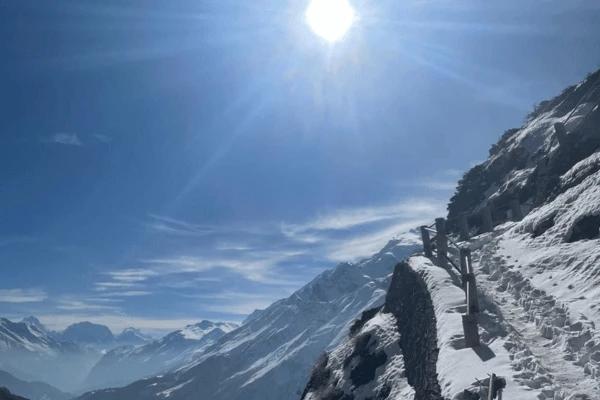
The Annapurna Circuit isn't just about walking long distances. As you climb higher, the air gets thinner, the weather can change quickly, and even a normal day's walk can feel exhausting. Whether you trek alone or with a guide, you need to take these risks seriously, especially before crossing Thorong La Pass at 5,416 m (17,769.03 ft).
What Safety Risks Should You Know About
- Altitude sickness: Acute Mountain Sickness (AMS) can cause headaches, nausea, dizziness, loss of appetite, and unusual tiredness. If you feel unwell, don't climb higher. If symptoms worsen, descend and seek medical help.
- Weather and Thorong La: Snow, strong winds, and poor visibility can make the pass dangerous. Sometimes, waiting an extra day is better than pushing ahead.
- Long walks and steep descents: Tired legs, loose ground and slippery trails can lead to falls or injuries.
- Navigation and communication: You might lose the trail or struggle to contact help where mobile coverage is weak.
- Emergencies and delays: An injury, sudden illness or bad weather can disrupt your plans. Helicopter evacuation may be possible, but it depends on conditions and can be expensive.
Solo Vs Guided: What's Different
| Situation |
Independent-style trekker
|
Guided trekker
|
| Altitude |
Monitors their own symptoms and decides when to seek help
|
A guide may notice symptoms and recommend stopping or descending
|
|
Weather and route
|
Checks conditions and makes route decisions
|
Gets local advice about the trail and weather
|
|
Gear and logistics
|
Manages personal equipment and daily arrangements
|
Gets help with route planning and practical arrangements
|
|
Injury or emergency
|
May need to organise help and communication themselves
|
A guide can help contact the agency or coordinate assistance
|
| Delays |
Handles changes and extra costs
|
The guide or agency may help rearrange plans |
A guide can't guarantee your safety, and you still need to tell someone if you feel unwell. Good acclimatisation, suitable gear and a sensible walking pace matter either way. Before starting the trek, read our guide to high-altitude acclimatization to understand how your body adjusts as you climb. Knowing when to stop or turn back can make all the difference.
Solo Vs Guided: Navigation, Accommodation, Food, And Daily Trekking
On the Annapurna Circuit, your day usually involves walking to the next village, stopping for meals and finding a teahouse for the night. Most of the route has teahouse accommodation, but you'll still need to plan your stops and allow for changes in weather, walking pace, and room availability.
Navigation
If you're trekking independently, keep an offline map or GPS on your phone and pay attention to trail signs. Asking locals for directions can help, but road construction, route changes, or bad weather may make some sections confusing. A guide familiar with the area can help you stay on the right trail and decide when it's better to change plans.
Accommodation
Most nights are spent in simple teahouses with twin beds, blankets and, often, shared bathrooms. Facilities vary between villages, and rooms can be harder to find during busy trekking seasons.
When trekking independently, you have more freedom to choose your lodge, but you may need to search for a room when you arrive. A guide or agency can help arrange accommodation, which is useful when you're following a fixed itinerary. Either way, don't expect the same room standards at every stop.
Food
Teahouses usually serve dal bhat, noodles, soup, rice, eggs, and other simple meals. You can choose what to eat and when to stop, although menu options may become more limited in smaller, higher villages.
If you're trekking independently, plan meal breaks around your walking time and carry snacks for longer stretches. A guide can help organise stops that fit the day's route. Whatever your choice, drink water regularly and let the teahouse know about any dietary needs before ordering.
Daily Planning
A typical day starts with breakfast, followed by several hours of walking, a lunch stop and arrival at your next teahouse in the afternoon. The exact timing depends on the distance, terrain, weather, and your pace.
When trekking independently, you're responsible for setting your start time, rest breaks and daily schedule. With a guide, you have help planning the day and adjusting it if the weather changes or you need more time to rest. Both options should allow enough time for acclimatisation rather than rushing to the next stop.
See our detailed Annapurna Circuit Trek itinerary to understand how walking hours and overnight stops can vary.
Who Should Choose Solo-Style Or Guided Trekking
Not everyone enjoys trekking the same way. Some people like sorting things out as they go, while others would rather have someone handle the arrangements. Think about your experience and what you're comfortable managing before choosing your trekking style.
Independent-Style Trekking May Suit You If
- You've done a few treks before and know what to expect from long walking days.
- You like deciding when to start, where to stop and how to spend your time.
- You're comfortable sorting out accommodation, meals, gear and other arrangements.
- You understand altitude risks and can change your plans if the weather turns bad.
- You'll still need to follow the current rules for the Annapurna Circuit, including the applicable guide and permit requirements.
Guided Trekking May Suit You If
- This is your first Himalayan trek, or you haven't spent much time at high altitude.
- You'd feel more comfortable with someone who knows the local trails and villages.
- You don't want to spend too much time arranging accommodation, transport and permits.
- You'd like help if the weather changes or something unexpected happens.
- You'd rather focus on the walk than work out every detail yourself.
Which Option Fits Your Priorities
|
If you want
|
Consider |
|
More freedom over your day
|
An independent-style approach, with the flexibility available under current rules
|
|
Local knowledge
|
A guided trek with an experienced local guide
|
|
Less planning to worry about
|
A guided package that covers the main arrangements
|
|
To use your previous trekking experience
|
An independent-style approach may appeal, provided you meet the applicable requirements
|
|
To try your first high-altitude trek
|
A guide who can help with pacing, acclimatisation and route decisions
|
|
To follow Nepal's current regulations
|
Check the latest guide and permit requirements before departure
|
If this is your first Himalayan trek, read our Annapurna Circuit Trek for beginners guide before choosing your trekking style.
At the end of the day, choose what suits your experience, budget and confidence. You can hire a private guide without joining a group, so you don't have to give up the feeling of travelling independently.
Final Decision Checklist
Still not sure whether to trek the Annapurna Circuit solo or with a guide? Before making up your mind, think about your previous trekking experience, how comfortable you are with high altitude and how much of the planning you're happy to handle yourself.
Before you set off, ask yourself:
- Have I trekked at high altitude before? Long walking days and thinner air can be harder than you expect.
- Am I prepared for the conditions? Make sure you understand altitude sickness, changing weather and the time needed to acclimatise.
- Am I happy handling the arrangements? Think about accommodation, meals, transport, permits and daily planning.
- Have I worked out my budget properly? Remember guide fees, insurance, gear, and unexpected expenses, not just food and accommodation.
- Would having a guide make things easier? Local knowledge and help with unexpected problems can be useful, particularly if this is your first Himalayan trek.
- Have I checked the latest trekking rules? Nepal Tourism Board guidance lists the Annapurna Circuit among routes requiring a licensed guide. Confirm the current requirements before departure.
Which Should You Choose
If you have trekking experience and enjoy planning things yourself, independent-style travel may appeal to you. If you're new to high-altitude trekking or would rather have help with the arrangements, a guided trek may suit you better. Either way, you can still travel alone without joining a group. The important thing is to choose an arrangement that fits your experience, budget and comfort level, and to be prepared for the conditions on the trail.
FAQs
Can you trek the Annapurna Circuit solo?
You can travel alone without joining a group, but you should check the current trekking rules before you go. Nepal Tourism Board guidance lists the Annapurna Circuit among routes requiring a licensed guide and an agency-issued TIMS card.
Is a guide mandatory for the Annapurna Circuit Trek?
According to the Nepal Tourism Board's published guidance, yes. The Annapurna Circuit is on its list of routes requiring a licensed trekking guide. Check with a registered trekking agency before departure.
How much does the Annapurna Circuit Trek cost?
It depends on how many days you trek and what's included in your package. You'll need to budget for accommodation, meals, transport, permits, guide fees and insurance. Don't forget personal expenses such as Wi-Fi, hot showers, and tips.
Is the Annapurna Circuit safe without a guide?
The trek comes with risks, including altitude sickness, sudden weather changes, and steep trails. A guide can help with route decisions and emergencies, but can't guarantee your safety. Check the current guide requirements before planning your trip.
What does a guide do on the Annapurna Circuit?
A guide helps you find your way, plan each day's walk and understand local conditions. They can also watch for signs of altitude sickness and help coordinate assistance if something goes wrong.
Is the Annapurna Circuit suitable for first-time trekkers?
Yes, if you're reasonably fit, prepare properly and give yourself enough time to acclimatise. If you've never trekked at high altitude before, going with an experienced guide can make the trip easier to manage.
What permits are required for the Annapurna Circuit?
You'll need an Annapurna Conservation Area Permit (ACAP). If you're adding a restricted area such as Nar Phu, you may need an additional permit.
Can I customise a guided Annapurna Circuit Trek?
Yes. Many agencies can adjust the itinerary, walking days, rest stops and accommodation to suit your needs. You can also ask for a private guide if you'd rather not join a group.
What should I check before starting the trek?
Check the latest permit and guide requirements, weather, transport, accommodation and travel insurance. Make sure your insurance covers high-altitude trekking, allow time for acclimatisation, and keep some extra money for unexpected delays or emergencies.