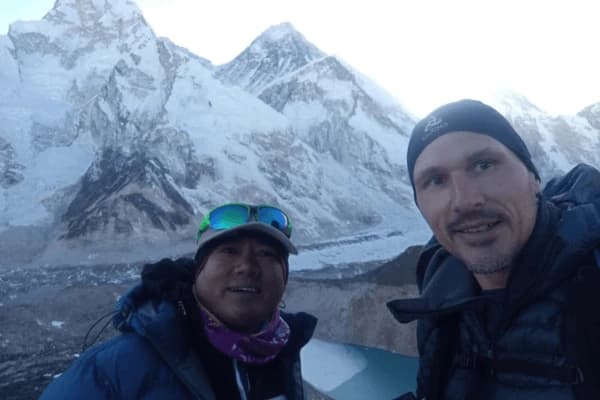
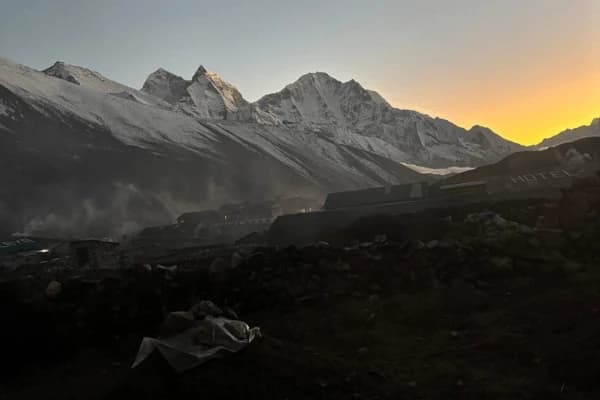
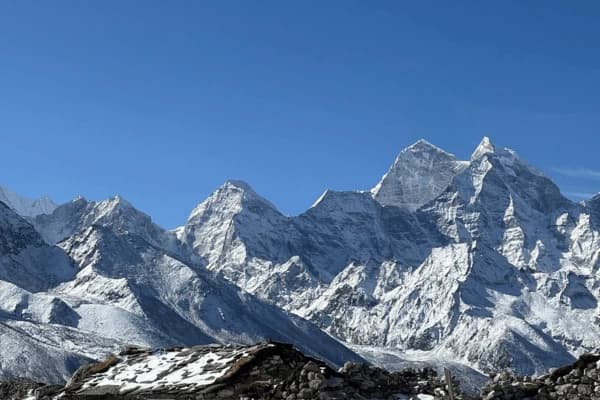
Introduction: What is the Three Passes Trek
Regarding difficulty, the Three Passes Trek (also known as the Everest or Khumbu Circuit Trek) is best understood as a tough, high-altitude trekking adventure in Nepal that circles the Everest (Khumbu) Region instead of following a straight in-and-out route. In simple terms, it connects valleys, glaciers, and famous viewpoints through one big mountain loop. Most trekkers take about 18 to 21 days to complete it.
This overview of the Everest Three Passes Trek is built around three major high passes:
- Kongma La (5,535 m/18,159 ft)
- Cho La (5,420 m/17,782 ft)
- Renjo La (5,360 m/17,585 ft)
Together, these passes form a full high pass trek in Nepal through the Khumbu Region, often described as the most complete version of the Everest experience. It includes classic highlights, such as Everest Base Camp (EBC), Gokyo Lakes, and panoramic ridge viewpoints, all in a single journey. This journey also connects with the classic EBC Trek route, but instead of returning the same way, it expands into a full circular trail around the mountains.
Overall Difficulty Level Explained
So, how difficult is the trek really? In simple terms, the difficulty level of the Three Passes Trek falls somewhere between hard and very hard. It isn’t a technical climbing expedition that requires ropes or mountaineering skills, but it’s one of the most physically demanding trekking routes in the Everest Region.
|
Difficulty Scale
|
Rating |
| Easy |
1/5
|
| Moderate |
2/5
|
| Challenging |
3/5
|
| Hard |
4/5
|
|
Three Passes Trek
|
4.5/5 |
Why Is It So Challenging
The difficulty doesn't come from just one thing. It's the combination of several factors that makes this trek such a serious adventure.
Altitude
The biggest challenge is altitude. You'll cross three high passes:
- Kongma La (5,535 m/18,159 ft)
- Cho La (5,420 m/17,782 ft)
- Renjo La (5,360 m/17,585 ft)
At these elevations, even a slow uphill walk can leave you breathing hard. Many trekkers are surprised that the altitude often feels tougher than the actual trail.
Duration
Most people spend around 18 to 21 days on the route. Walking for one tough day is manageable. Doing it for nearly three weeks is a different story. Your body has to recover, adapt, and keep moving day after day, which is why endurance becomes so important.
Terrain
The trail isn't smooth or predictable; expect:
- Rocky paths
- Glacier crossings
- Steep ascents
- Long descents
- Uneven stone steps
- Occasional snow and ice near the passes
Many trekkers say their legs feel the descents just as much as the climbs. After several days on the trail, those downhill sections can become surprisingly tiring.
How Does It Compare To Everest Base Camp
The classic EBC Trek is challenging on its own, but the Khumbu Circuit Trek takes things a step further. You still visit the base camp, but you also cross three high mountain passes and cover much more ground. If you're curious about the difference, you can compare with the EBC Trek Difficulty Guide here.
The 3 High Passes Breakdown
The three passes are what make this trek so special and so challenging. Each one tests you differently.
One is known for its altitude, another for its icy terrain, and another for its long, exhausting climb. If you're looking into mountain pass trekking in Nepal, understanding these three passes is the best place to start.
Kongma La Pass
Kongma La is usually considered the toughest pass of the three. It's the highest point you'll cross on the trek and often feels the most physically demanding. The climb is long, steep, and very exposed to the elements.
Quick Facts
- Altitude: 5,535 m (18,159 ft)
- Crossing time: 7 to 9 hours
- Terrain: Rocky trails, boulder fields, and glacier sections
- Main challenge: Thin air and a long day on your feet
Most trekkers reach the top feeling like they've really earned it. The views of Lhotse (8,516 m/27,940 ft), Nuptse (7,861 m/25,791 ft), Makalu (8,485 m/27,838 ft), and the surrounding peaks make the effort worthwhile.
Cho La Pass
Cho La is often the pass that people worry about the most. While it isn't the highest, it can be the trickiest due to snow, ice, and glacier terrain, especially during colder months.
Quick Facts
- Altitude: 5,420 m (17,782 ft)
- Crossing time: 6 to 8 hours
- Terrain: Rocky slopes, snow, ice, and glacier sections
- Main challenge: Slippery footing and changing trail conditions
Among the three altitudes of the Everest passes, Cho La often requires the most concentration. A slow and careful pace is much more important than speed here.
Renjo La Pass
Renjo La is generally considered the most manageable of the three passes, but that doesn't mean it's easy. You're still crossing a pass above 5,300 m, and the climb can feel tough after days of trekking.
Quick Facts
- Altitude: 5,360 m (17,585 ft)
- Crossing time: 6 to 8 hours
- Terrain: Steep trails, rocky paths, and exposed ridges
- Main challenge: Long ascent and strong winds
The reward is one of the best viewpoints in the Khumbu Region. Many trekkers say the view over the Gokyo Lakes from Renjo La is the highlight of the entire trek.
Which Pass Feels The Hardest
There's no single answer because every trekker struggles with something different.
- Kongma La: Hardest physically
- Cho La: Most technical and demanding underfoot
- Renjo La: Easiest of the three, but still a serious high-altitude pass
Together, these crossings are why many trekkers consider the Khumbu Circuit Trek one of the most difficult high-pass treks in Nepal. The altitude, terrain, and back-to-back effort make it a completely different experience from a standard Everest trek.
Altitude Sickness Risk (Very Important Trust Factor)
Altitude sickness is one of the biggest challenges on the Everest Circuit Trek. Unlike shorter treks, you'll spend several days above 4,000 m (13,123 ft) and cross three passes above 5,300 m (17,388 ft), which increases the high-altitude risks when trekking in Nepal.
The good news is that most cases are mild and can be managed with proper acclimatization, hydration, and a sensible pace.
Common Symptoms
The most common signs of altitude sickness on this Everest Trek include:
- Headache
- Loss of appetite
- Nausea
- Dizziness
- Unusual tiredness
- Difficulty sleeping
A mild headache after gaining altitude is fairly common. However, symptoms that worsen rather than improve should never be ignored.
Why Is The Three Passes Trek Higher Risk
Several factors increase the risk compared to many other treks:
- Three pass crossings above 5,300 m (17,388 ft)
- Multiple nights spent above 4,000 m (13,123 ft)
- Long trekking days with significant elevation gain
- Physical fatigue builds up over two to three weeks
This doesn't mean you'll get altitude sickness, but it does mean your body needs enough time to adjust to the thinner air.
Simple Ways To Reduce The Risk
Good AMS prevention when trekking is often very simple:
- Follow the acclimatization days properly.
- Walk at a steady pace.
- Drink plenty of water.
- Avoid rushing uphill.
- Tell your guide about symptoms early.
Many experienced Everest guides say that patience is one of the best altitude medicines.
Important: Fitness helps you trek longer and recover faster, but it doesn’t make you immune to altitude sickness. Even strong athletes can develop symptoms if they ascend too quickly.
If you'd like to learn more about staying safe at altitude, learn how to prevent AMS before your trek in our Altitude Sickness Prevention Guide.
Fitness Requirement & Preparation Level
One of the biggest misconceptions about the Three Passes Trek is that you need to be an athlete to complete it. You don't. But you do need a good level of fitness and, more importantly, the ability to keep going day after day.
For most people, a moderate-to-advanced fitness level is the sweet spot. The trek isn't about how fast you can run or how much weight you can lift; it's about having the endurance to walk for 6 to 8 hours, sometimes even longer, at high altitude.
Required Fitness Level
A good preparation for the Everest Trek plan should help you comfortably:
- Hike for 5 to 8 hours a day.
- Climb hills or stairs without needing frequent breaks.
- Carry a small daypack for multiple days in a row.
- Recover well and feel ready to trek again the next morning.
If a long weekend hike leaves you exhausted for three days afterward, that's usually a sign you need a bit more training before taking on the Three Passes.
Endurance Needs
The biggest requirement for hiking stamina isn't speed; it's consistency. On the trail, nobody cares how quickly you finish the first hour. What matters is whether you can keep a steady pace for the entire day while gaining altitude and dealing with thinner air.
That's why experienced guides often recommend:
- Regular hiking on hills or trails
- Stair climbing sessions
- Running, cycling, or brisk walking for cardio
- Leg-strength exercises like squats and lunges
These activities mimic what your body will actually experience in the mountains.
A Realistic Expectation
If you're already active and can comfortably complete a full-day hike, you're probably starting from a good place. If you're new to trekking, don't worry, many people complete the trek after a few months of focused fitness training for trekking in Nepal.
The goal isn't to become super fit overnight. It’s to arrive in the Khumbu Region feeling confident that your legs, lungs, and endurance can handle long mountain days.
In short, the fitter you are, the more you'll enjoy the scenery. Instead of focusing on tired legs and heavy breathing, you'll be able to spend more time appreciating the incredible journey around the Everest high passes.
Weather, Terrain, & Daily Challenges
The Three Passes Trek isn't difficult because of one single thing. It's the combination of altitude, weather, terrain, and long trekking days that makes it such a rewarding challenge.
One moment you're walking under clear blue skies, and a few hours later you're dealing with cold winds on a high mountain pass. That's just part of life in the Everest Region.
Cold Temperatures
As you move higher into the mountains, the temperature drops noticeably. Mornings often start with frost on the ground, and it can feel especially cold before the sun reaches the trail.
The wind is another factor many trekkers underestimate. Even on a sunny day, strong gusts near the passes can make the air feel much colder. The changing weather conditions on Everest treks are one reason layering your clothing properly is so important.
Rocky Trails
Forget smooth hiking paths. Much of the route follows rocky trails, uneven stone steps, and rugged mountain terrain. You'll constantly be stepping up, stepping down, and adjusting your footing. It may not sound difficult at first, but after several hours, those small movements add up.
This is a big part of the difficulty of the mountain terrain in Nepal, which is famous for. Many trekkers are surprised to find that the descents can feel just as tiring as the climbs.
Snow And Glacier Sections
As you approach the higher passes, especially Cho La, trail conditions can become more demanding. Depending on the season, you may encounter snow-covered paths, icy sections, or rocky glacier terrain. For many people, a glacier crossing in the Himalayas is one of the most memorable parts of the entire trek. It's not technical mountaineering, but it does require careful footing and a steady pace.
Consider Little Preparation
The better prepared you are for the weather and trail conditions, the more enjoyable the trek becomes. Good boots, proper layers, and the right gear can make a huge difference when conditions change in the mountains. Before heading into the Khumbu Region, take a look at our Packing List for Everest Trek to make sure you're ready for everything from sunny valley trails to snowy high-pass crossings.
Who Should Not Do This Trek
The Everest Circuit Trek is an amazing adventure, but it’s not for everyone, and that's completely okay. If you're wondering about who can do the Three Passes Trek, the answer is simple: trekkers with decent fitness, some hiking experience, and a willingness to prepare beforehand.
You may want to think twice about this trek if:
- You've never done a multi-day trek before. This trek isn’t the best place to learn the basics of trekking.
- You're currently dealing with serious heart, lung, or mobility issues. The high altitude and long trekking days can put extra stress on the body.
- You don't have time to train beforehand, as it requires endurance, not just motivation.
- You struggle with long walks or steep climbs at lower elevations. Things only get harder above 5,000 m (16,404 ft).
The good news is that you don't need to be a super athlete. Many ordinary trekkers complete this route every year. But when it comes to trekking suitable routes in Nepal like this, preparation matters far more than confidence alone.
The bottom line is that the safety level of the Everest trek is generally good for well-prepared trekkers who acclimatize properly and follow their guide's advice. However, if you're completely new to trekking or not ready for long days at high altitude, it may be better to start with an easier trek in the Khumbu Region and work your way up.
There's no shame in building experience first. In fact, that's exactly how many successful Three Pass trekkers got started.
Comparison With Other Everest Treks
Most people planning an Everest adventure end up comparing three options: EBC, Gokyo Lakes, and the full Three Passes route. And honestly, they’re all amazing, but they feel completely different on the ground.
Here’s a simple way to understand it without overthinking.
Everest Base Camp Vs Three Passes
The comparison between EBC and Three Passes is basically about comfort vs challenge.
- EBC feels more straightforward. You go up the valley, reach base camp, and come back the same way.
- The Three Passes Trek is the full loop. You don’t just go “up and down,” you cross three high mountain passes and connect multiple valleys.
- EBC has more trekkers, more teahouses, and a clearer rhythm.
- Three Passes feels wilder, longer, and physically much more demanding.
In simple words, EBC is the classic Everest story; Three Passes is the extended director’s cut.
Gokyo Trek Difficulty
The difficulty of the Gokyo Trek lies in the middle and surprises a lot of people. It’s quieter than EBC with fewer crowds on the trail, but still reaches a serious altitude over 5,300 m (17,388 ft) at Gokyo Ri. You get incredible glacier and lake views without needing to cross all three passes. Hence, many trekkers pick it if they want big scenery without the full intensity of the Three Passes route.
Comparison Between Them
Think of it like this:
- EBC: Best for first-time trekkers
- Gokyo: Best for scenic, quieter trekking
- Three Passes: Best for experienced trekkers who want the toughest Everest trekking comparison challenge
Each route shares the same Khumbu Region, but the experience level changes a lot once you add those three high passes into the mix.
Final Verdict: Is The Three Passes Trek Worth It
The Difficulty of the Three Passes Trek is definitely high; it’s a hard-to-very hard trek with long days (6 to 10 hours), extreme altitude up to 5,535 m (18,159 ft), rocky trails, and glacier crossings. So yes, it’ll push you physically and mentally. But that’s exactly why people love it. What you get in return is one of the most complete experiences of the Everest Trek. You can do quiet valleys, dramatic high passes, Gokyo Lakes, EBC, and views you honestly don’t forget for a lifetime.
So now, the question is is it worth it. Yes, if you’re prepared, because:
- It’s tough on the body
- Some days feel long and exhausting
- Altitude really tests you
But the reward is next-level. It isn’t just a trek; it’s a full adventure trek in Nepal that feels like three big journeys combined into one. Simple truth is most trekkers don’t regret doing it; they regret not training enough before doing it. If you’re serious about it, we can help you plan everything properly. Book the Everest Three Passes Trek and start your preparation early.