Introduction
EBC Trek is one of the world’s most iconic treks, located at 5,364 m (17,598.43 ft) in the Everest (Khumbu) Region of eastern Nepal. It’s famous for the spectacular views of Mt. Everest (8,848.86 m/29,031.69 ft) and other nearby peaks, and besides, for the Sherpa culture.
Experiencing Everest in winter is completely different from spring (March to May) and autumn (September to November). In fact, it isn’t recommended, especially for beginners, during this season due to freezing temperatures at night and in the early morning, along with occasional snowfall that can cover the trail.
Nevertheless, the route leading to the base camp experiences fewer crowds, making it easy to find room in tea houses, and also, Everest offers its pure white view when the sky is sunny in the cold season. That’s why some people with more experience at high altitudes still choose to do winter trekking in the Himalaya despite the difficulty.
Weather & Temperature In Winter
Winter (December to February) in the Khumbu Region is cold, but the temperature varies by altitude. In Lukla (2,860 m/9,383 ft), daytime stays around 5°C to 10°C, while nights drop below freezing.
In Namche Bazaar (3,440 m/11,286 ft), expect 0°C to 5°C during the day and around -10°C at night. Higher up at Gorak Shep and EBC (5,364 m/ 17,598 ft), the temperature often stays below freezing even in the daytime, with nights dropping to -20°C or lower.
Snowfall in the Everest region is light to moderate but frequent at higher elevations, especially above 4,000 m (13,123.36 ft). Trails can be icy, and wind chill makes it feel much colder than the actual temperature.
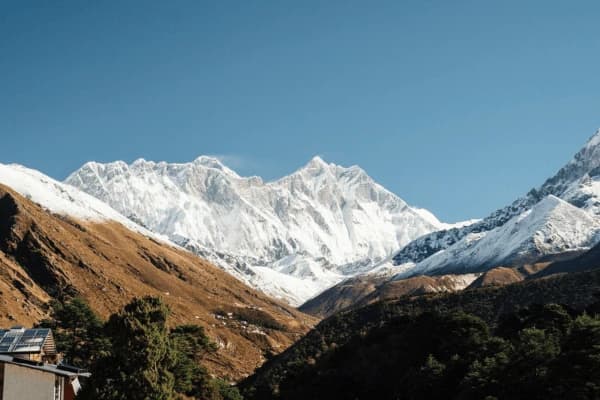
Still, winter brings one big advantage, clear skies. The winter weather in the Everest Region is known for sharp, uninterrupted mountain views, making it one of the best times for visibility in the Himalaya.
Because of the cold climate in the Himalaya, trekking becomes slower and more tiring, with shorter walking hours and more breaks needed. But for those prepared for the cold, winter offers a peaceful trail, fewer crowds, and excellent mountain scenery, as shown in any Everest weather chart for the season.
Best Time To Trek Everest Base Camp In Winter
If you’re planning a winter trek, the season usually runs from December to February, and each month feels a bit different in terms of cold, crowds, and trail conditions. So the best time for trekking to Everest Base Camp in winter really depends on what kind of experience you want: comfort, solitude, or full-on adventure.
Here’s a simple breakdown to help you understand the conditions of EBC in December, January, and February:
| Feature |
Early December
|
January |
February |
| Temperature |
-10°C to -15°C (Milder)
|
-20°C to -30°C (Coldest)
|
-15°C to -25°C (Improving)
|
|
Crowd Level
|
Moderate/Quiet
|
Very Low (Empty Trails)
|
Low / Increasing
|
| Sky Clarity |
Excellent |
Superior (Highest Clarity) |
Good (Occasional Snow) |
| Flight Reliability |
High |
Moderate (Morning Fog) |
Moderate (Wind/Snow) |
| Teahouse Status |
Mostly Open |
Limited (Some Closed) |
Re-opening |
| Best For… |
Comfort & Logic |
Photography & Solitude |
Adventure & Snow |
Early December is still the “easier” option, with slightly milder cold and more open teahouses along the way. January is the peak of winter; super cold but also the quietest and clearest, making it perfect for photographers.
February slowly becomes more manageable as temperatures improve and Nepal's trekking season transitions toward spring. This is why choosing the month depends on whether you prioritize comfort or privacy.
Which Month Should You Choose
If you’re still confused about when to trek EBC in winter, here’s a quick and simple guide to match your travel style:
- The Photographer: January is for crystal-clear skies and dramatic snowy peaks
- The First-Time Winter Trekker: Early December is more manageable, cold, and has better facilities
- The Winter Adventurer: February is a balance of snow, challenge, and improving conditions
Winter trekking isn’t just about the weather; it’s about the experience you want. If you’re after peace, raw mountains, and fewer crowds, this season can actually be one of the most rewarding times for the trek.
Everest Base Camp Winter Itinerary (12 To 14 Days Overview)
The itinerary for trekking to EBC in winter follows the classic route, just with colder conditions and a slightly slower rhythm. It usually lasts 12 to 14 days, starts with a flight from Kathmandu to Lukla, then continues through the beautiful Everest trail toward Namche Bazaar, and finally reaches EBC.
The return journey goes the same way, with a highlight stop at Kala Patthar (5,644 m/18,519 ft) for the best sunrise views of Everest. This route to the base camp in Nepal stays consistent in winter, but timing and pacing change a lot due to snow and cold.
Key Stops Explained
- Namche Bazaar (3,440 m/11,286 ft): The main acclimatization hub where trekkers rest and adjust to altitude.
- Tengboche (3,860 m/12,664 ft): Famous for its monastery and stunning mountain views.
- Dingboche (4,410 m/14,468 ft): Another important acclimatization stop to prepare for higher altitude.
- Gorak Shep (5,164 m/16,942 ft): The final settlement before the base camp, very basic but crucial for the last push.
These stops are part of the standard plan for the Everest Trek, helping your body adjust step by step as you move higher.
Winter-Specific Itinerary Adjustments
In winter, the same route becomes more demanding. The cold slows everything down, so daily walking distances feel harder than in peak season. Acclimatization becomes even more important because the body already works extra hard in low temperatures.
Expect a slower trekking pace, fewer hiking hours (usually 4 to 6 hours per day, not like longer summer days), and more frequent breaks to stay warm. Some teahouses may also be limited at higher altitudes, so planning ahead is important.
Snow and icy trails can also slightly extend travel time between villages. Still, even with the challenges, winter trekking offers quiet trails and a raw Himalayan experience that makes the journey feel more personal and rewarding.
Trail & Route Conditions In Winter
The Everest trail conditions in winter are much tougher compared to spring or autumn. Lower sections like Lukla to Namche usually have less snow, but once you go above Tengboche and Dingboche, the trails become more snow-covered and icy.
Early mornings are especially slippery because overnight freezing turns parts of the route into hard ice. Some narrow sections and stone steps can also become difficult to walk on after fresh snowfall.
Navigation is usually manageable on the main Everest trail, but heavy snow can sometimes cover paths and make routes less visible at higher elevations. Frozen rivers, waterfalls, and water points are also common during winter, adding to the dramatic scenery but making conditions harsher. Exposed areas near Gorak Shep and Kala Patthar can feel extremely cold due to strong winds, so careful footing and proper gear become very important.
Because of these snowy and icy trekking routes, your pace naturally becomes slower in winter. Walks that feel easy in peak season may feel more tiring due to cold temperatures and slippery trails. This increases the overall difficulty of the EBC route, but at the same time, the quiet, snowy landscapes and peaceful atmosphere make the journey feel much more adventurous and rewarding.
Accommodation & Food In Winter
Accommodation during the winter trek is mostly in teahouses and mountain lodges along the trail. Lower areas like Lukla, Phakding, and Namche Bazaar usually stay open throughout the season, but higher places such as Lobuche and Gorak Shep may have limited options depending on weather and trekkers.
Rooms are very basic, usually with twin beds, shared bathrooms, and no heating inside the bedrooms. This is why carrying a warm sleeping bag is essential during winter trekking. If you want to learn more about lodges and facilities, you can also check our guide on Everest Base Camp accommodation.
Food on the trail is simple but filling. Common meals include dal bhat, noodles, fried rice, soups, potatoes, eggs, and tea. The classic Nepali dal bhat is the most popular choice because it’s warm, heavy, and gives good energy for long trekking days.
Hot drinks like ginger tea, lemon tea, coffee, and hot chocolate are also very common during the trek. This basic but reliable food during the EBC Trek helps trekkers stay energized in the cold mountain environment.
The warmest place in most teahouses is the shared dining hall, where trekkers gather around a stove in the evening. Since bedrooms are unheated and nights become extremely cold at high altitude, most people spend extra time in the dining area before going to sleep. Eating enough calories and drinking hot fluids regularly becomes very important in winter because the body burns more energy trying to stay warm.
Lukla Flights & Travel Tips In Winter
Winter flights to Lukla are notoriously unpredictable. Even when the weather looks clear in Kathmandu, conditions around Lukla can change very quickly due to fog, strong winds, and low visibility in the mountains.
This is why Lukla flight delays in winter situations are very common, especially in the early mornings. Flights are sometimes delayed for a few hours, while bad weather can even cancel them for the entire day.
During peak trekking seasons, many flights operate from Ramechhap instead of Kathmandu to reduce air traffic pressure. The Kathmandu-to-Lukla route is more convenient, but flights from Ramechhap Airport are also common among Everest trekkers.
In winter, both routes still depend heavily on weather conditions. Because delays are normal in the Everest region, most trekkers keep at least 2 to 3 buffer days in their itinerary before international flights or important travel plans. Some trekkers also keep helicopter options as a backup during long weather delays.
The best practical tip is to always choose the earliest morning flight possible since the weather is usually clearer early in the day. Keeping a flexible itinerary is extremely important during winter trekking in Nepal.
It’s also smart to mentally prepare for delays instead of expecting perfect schedules. For updated schedules and route details, you can also check our guide on Lukla flight information before planning your trip.
Cost & Permits For Winter Trek
The total price for trekking the Everest Base Camp in winter can range anywhere from USD 1,200 to USD 3,500+, depending on your travel style. Budget trekkers who stay in basic teahouses and travel independently spend much less, while guided packages with flights, porter service, and better accommodation cost more.
Winter can sometimes be slightly cheaper than peak trekking seasons because some lodges and agencies offer off-season discounts. However, weather delays and possible helicopter backups can also increase your overall travel expenses unexpectedly.
Here’s a simple breakdown of the average Everest Base Camp trek cost in winter:
| Expense |
Estimated Cost
|
| Kathmandu to Lukla Flights |
USD 350 to 450 round trip |
| Sagarmatha & Local Permits |
USD 50 to 60 |
| Guide |
USD 25 to 40 per day |
| Porter |
USD 20 to 30 per day |
| Accommodation |
USD 5 to 15 per night |
| Food & Drinks |
USD 25 to 40 per day |
The permit process is actually very simple. Trekkers need two main permits: the Sagarmatha National Park Permitand the Khumbu Pasang Lhamu Rural Municipality Permit.
These can be arranged through trekking agencies or purchased along the route before entering the Everest Region. Most guided treks already include these fees in the package, making the process easier for first-time trekkers.
Packing List For Winter Trek
Packing properly for the EBC Trek in winter is extremely important because the cold at higher elevations can be intense. Good winter trekking gear keeps you warm, comfortable, and safe throughout the journey. The key is layering: a moisture-wicking base layer, a warm mid layer for insulation, and a waterproof outer layer to protect against wind and snow.
Some essential items include a heavy down jacket, thermal wear, waterproof trekking boots, warm gloves, thick socks, and a sleeping bag rated for -15°C to -20°C. Small things like a headlamp, sunglasses, and trekking poles also become very useful during winter trekking. If you’re preparing for the trip, checking a proper Everest packing list beforehand can help you avoid missing important gear.
One common mistake trekkers make is underestimating the cold. Poor-quality gloves or shoes can make the trek much harder than expected. A simple winter checklist should incorporate:
- Thermal base layers
- Fleece or down jacket
- Waterproof jacket & pants
- Waterproof boots
- Warm gloves & hat
- Sleeping bag (-15°C to -20°C)
- Headlamp & sunglasses
The better your gear, the more enjoyable your winter trek will feel.
Difficulty, Fitness Level, & Altitude Sickness
The difficulty of the Everest Trek ranges from moderate to challenging, and in winter, it can feel even tougher. It’s not a technical climb, but the mix of cold weather, long walking days, and high altitude really tests your body. Simple uphill walks feel harder because the air gets thinner as you go higher.
You’ll usually walk 4 to 7 hours a day, so decent fitness and stamina are important. Fit beginners can do it with preparation, and experienced trekkers manage it more comfortably.
The main challenge isn’t just distance, it’s the altitude. At higher elevations, your body gets less oxygen, which can lead to acute mountain sickness (AMS). Common signs include headache, dizziness, nausea, and tiredness.
The key is to take it slow, drink plenty of water, and never rush. Acclimatization days in places like Namche and Dingboche are very important. If you listen to your body and pace yourself properly, the trip stays safe and manageable, even in winter conditions.
Emergency, Rescue & Travel Insurance
Winter trekking to EBC comes with extra challenges due to the cold and high altitude. The most common problems are altitude sickness, breathing difficulty, and extreme cold exposure. Since medical facilities along the trail are very limited, serious cases often require emergency evacuation from the mountains.
In emergencies, helicopter rescue is the fastest option in the Everest Region. These rescues are mostly used for severe conditions or injuries when trekkers cannot continue safely. That’s why having proper Everest trekking insurance is extremely important. Your insurance should cover trekking above 5,000 m (16,404 ft) and include helicopter evacuation.
For winter trekking, it’s always safer to trek with a guide and avoid rushing the itinerary. Stay hydrated, keep a steady pace, and stay connected whenever possible. Consulting a comprehensive resource like a Complete Guide to High Altitude Trekking: Training Plan, Gear List, Safety Tips, Nutrition, and Acclimatization will give you the baseline preparation you need. Ultimately, a little preparation and good insurance can make a huge difference if conditions suddenly change in the mountains.
Guide Vs Solo Trek In Winter
Technically, solo trekking on the Everest Base Camp route is possible, but winter makes it much more challenging. Snow-covered trails, freezing temperatures, sudden weather changes, and limited teahouse availability can make trekking alone risky, especially at higher altitudes. Even experienced trekkers can struggle with navigation or emergency situations during bad weather.
| Solo Trek |
Guided Trek |
| More freedom and flexibility |
Better safety and support |
| Lower overall cost |
Help with navigation and weather decisions |
| Must handle everything alone |
Local knowledge and emergency assistance |
| Higher risk during winter conditions |
Easier and less stressful experience |
Hiring a guide in winter is usually the smarter option. A guide helps with route finding, accommodation, health monitoring, and emergency support if conditions suddenly change.
Porters also make the trek easier by carrying heavy bags, which saves energy at high altitude. For most trekkers, especially first-timers, going with a guide on the Everest trek makes the winter journey much safer, more comfortable, and far less stressful.
Pros & Cons Of Everest Base Camp Trek In Winter
One of the benefits of doing the Everest Trek in winter is the peaceful atmosphere. The trails are much quieter, teahouses are less crowded, and the mountain views are often incredibly clearbecause of the dry winter air.
Many trekkers love the calm and raw Himalayan feeling that winter brings. This quieter and more personal experience is something you rarely get during the busy spring and autumn seasons.
At the same time, winter trekking also comes with challenges. Temperatures can become extremely cold at higher altitudes, especially during mornings and nights.
Lukla flights are more likely to face delays because of fog and wind, and some teahouses in higher villages may close during the coldest weeks. These pros and cons of winter trekking are important to understand before planning the trip.
In the end, winter trekking is best for people who enjoy quieter trails, cold weather, and a more adventurous experience. If you’re prepared for the cold and flexible with travel plans, this season can actually be one of the most rewarding times to visit EBC.
Is Everest Base Camp Trek In Winter Worth It
Honestly, yes, for the right kind of traveler, the Everest Trek in winter is absolutely worth it. If you love quiet trails, snowy landscapes, crystal-clear mountain views, and a more raw Himalayan adventure, this time of year can give you an unforgettable experience.
Many trekkers even say the peaceful atmosphere is what makes the journey feel truly special. This is why many people searching for whether the EBC Trek in winter is worth it often end up loving the experience once they prepare properly.
Nevertheless, winter trekking isn’t for everyone. If you strongly dislike cold weather, want maximum comfort, or prefer stable travel conditions, spring or autumn may suit you better. The cold season brings freezing temperatures, possible flight delays, and fewer facilities at higher altitudes, so flexibility and preparation are important.
However, if you’re looking for a quieter and more adventurous side of Everest, winter offers something unique that peak seasons often can’t. The mountains feel bigger, the trails feel calmer, and the entire journey becomes much more personal.
Ready to experience Everest in its most peaceful season? Now is the perfect time to book Everest Base Camp trek packages, customize your itinerary, and start planning your winter Himalayan adventure, contact us.